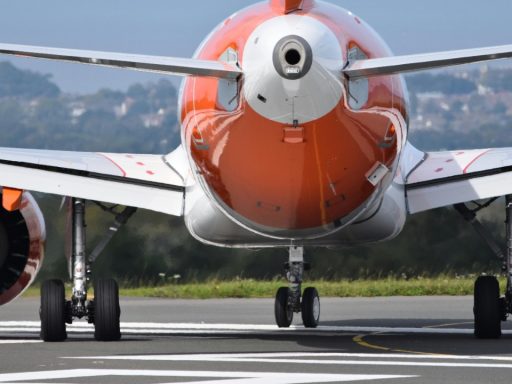
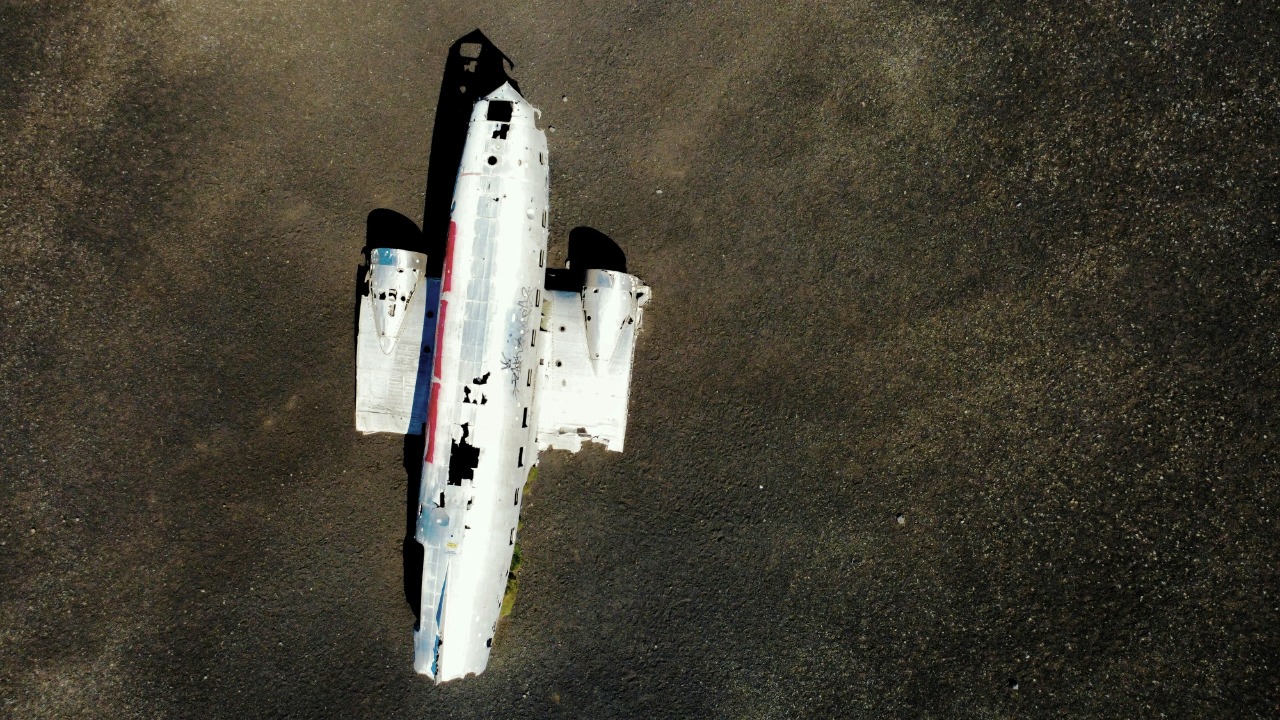

On remote corners of European airfields, gleaming Airbus jets that should be flying passengers are instead lined up to die. Their cabins are intact, their wings unblemished, but mechanics are there for one reason only: to pull out the engines. What looks like vandalism is, in fact, a rational response to a market so distorted that the powerplants on a modern jet can be worth more than the aircraft wrapped around them.
Airlines are not just parking older workhorses for parts. Some of the youngest Airbus A320neo family aircraft, barely a few years out of the factory, are being stripped so their engines can keep other jets flying. I see this as the clearest sign yet that the global aviation supply chain is under extreme stress, and that the basic economics of a passenger jet have been turned inside out.
The supply chain crunch that broke the usual logic
Under normal conditions, an airline earns more by flying a complete aircraft than by selling it for scrap. That logic has been upended by a shortage of modern engines and critical components that has left carriers hunting for any available hardware. Industry data on the Aviation Supply Chain shows how deep the disruption runs, with Aircraft deliveries falling to just 1,254 in 2024, roughly a third below pre-crisis expectations. When new jets and spare engines cannot be delivered on time, the value of anything already in service spikes.
Engine makers have also been grappling with durability problems on some new-generation models, forcing early inspections and removals. At the Singapore Airshow, experts warned that the shortage of serviceable engines and parts has overheated the secondary market to the point where individual assemblies can be worth more than the jets they came from, a trend echoed by analysts who describe shortage of components as likely to persist for several years. When demand for parts far outstrips supply, the spreadsheet starts to favor cannibalization over flying.
Why almost-new Airbus jets are heading to the scrapyard
The most striking examples involve Airbus narrowbodies that should still be in their prime. Some of the youngest Some of the Airbus A320neo jets, Barely six years after rolling off the line, have been parked at out-of-the-way airports and earmarked for dismantling. Reporting on how AIRBUS JET SCRAPPED AFTER SIX years underscores how unusual it is to see such young aircraft treated as feedstock for spares rather than as revenue machines.
At Castellón in Spain, social media images show rows of pristine narrowbodies being stripped, with captions noting that New Airbus Jets Because Their Engines Are Worth More Than the Plane At Castell. Aviation professionals posting similar footage on Instagram describe Brand-new jets being scrapped At Ca not because they are broken, but because the engines can be redeployed or sold at a premium. What looks like waste is, in the current market, a financial play that maximizes the value locked up in those powerplants.
Delta’s tariff hack and the politics behind engine swaps
In the United States, Delta Air Lines has turned engine cannibalization into a strategic response not only to shortages but also to trade policy. Under tariffs first imposed on aircraft built in Europe during the Trump administration, importing a complete jet from Airbus attracts a 10 percent duty. By contrast, bringing in engines as separate parts can be cheaper. Delta’s chief executive has described how the carrier is taking apart new European-built jets so it can use the engines to fix older aircraft, a tactic detailed in coverage of Delta’s CEO and framed as a clever workaround to an expensive rule.
Regulatory filings and aviation databases show that Delta Air Lines has been receiving Airbus jets into Atlanta Hartsfield Jackson, then removing their engines and using them on its domestic fleet. One report notes the figure 315 in connection with the operation, underscoring the scale of the strategy. Separate analysis of how Delta Strips Engines to Overcome Shortage explains that the airline is effectively importing powerplants rather than airplanes, a distinction that matters in tariff law even if it looks bizarre on the ramp.
When the parts are worth more than the plane
Behind these individual stories sits a simple piece of math. For some operators, each aircraft has become worth more in parts than it is as a whole. Financial analysts have walked through the numbers, showing how the resale value of two modern engines, plus high-demand components like landing gear and avionics, can exceed the book value of a young narrowbody. A detailed breakdown of this logic appears in coverage explaining why each aircraft can be worth more in pieces, and why that counterintuitive outcome makes sense once the secondary market overheats.
Industry observers at the Singapore Airshow have gone further, arguing that it has become more profitable to dismantle modern aircraft for parts than to keep them flying, at least in the short term. One analysis of Engine Shortages driving Aircraft cannibalization describes how Supply Chain Disruptions have become The New Industry Norm, with Execu level leaders forced to weigh the immediate cash value of engines against the longer term benefits of operating a full fleet. When I look at those trade offs, it is clear that the market is rewarding short term part-outs more than long term capacity.
The rise of a formal “part-out” business model
What began as an emergency tactic is now hardening into a business line. Specialist firms are buying relatively young jets specifically to tear them down, betting that engine values will stay elevated. One example involves an A220 program aircraft, where Then a Florida lessor, Azorra, acquired a former Egyptair A220-300 with the explicit plan to tear it down for parts. The fact that Florida based Azorra can profitably dismantle an Egyptair jet of that age shows how far the economics have shifted.
At the same time, airlines themselves are formalizing internal cannibalization programs. Technical leaders describe how Airlines Dismantle New to Salvage Engines Amid Supply Chain Crisis, treating grounded frames as inventory pools that can be tapped whenever a critical component fails elsewhere in the fleet. That approach is echoed in coverage of Supply Chain Disruptions as The New Industry Norm, where cannibalization is no longer a last resort but a planned part of fleet management.