
Kid Rock’s taste for spectacle has never exactly been subtle, but even by his standards, the latest glimpse of his private jet has struck a nerve. After photos of the aircraft surfaced online, complete with a wild luxury flourish splashed across its exterior, social media users lined up to mock what they saw as a cartoonish display of wealth and ego.
The backlash has quickly grown beyond jokes about tacky design. Critics are using the jet’s over-the-top branding as a shorthand for everything they dislike about celebrity excess, from climate impact to what they see as a deliberate attempt to provoke. I am looking at how one plane, one paint job, and one rock star managed to ignite such a pointed cultural argument.
The Michigan sighting that lit the fuse
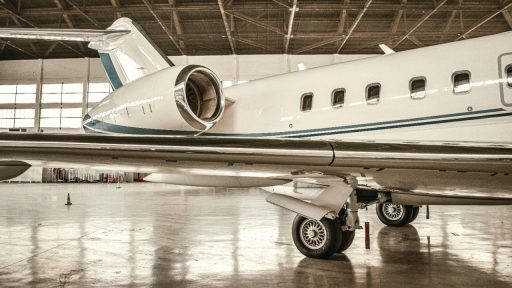
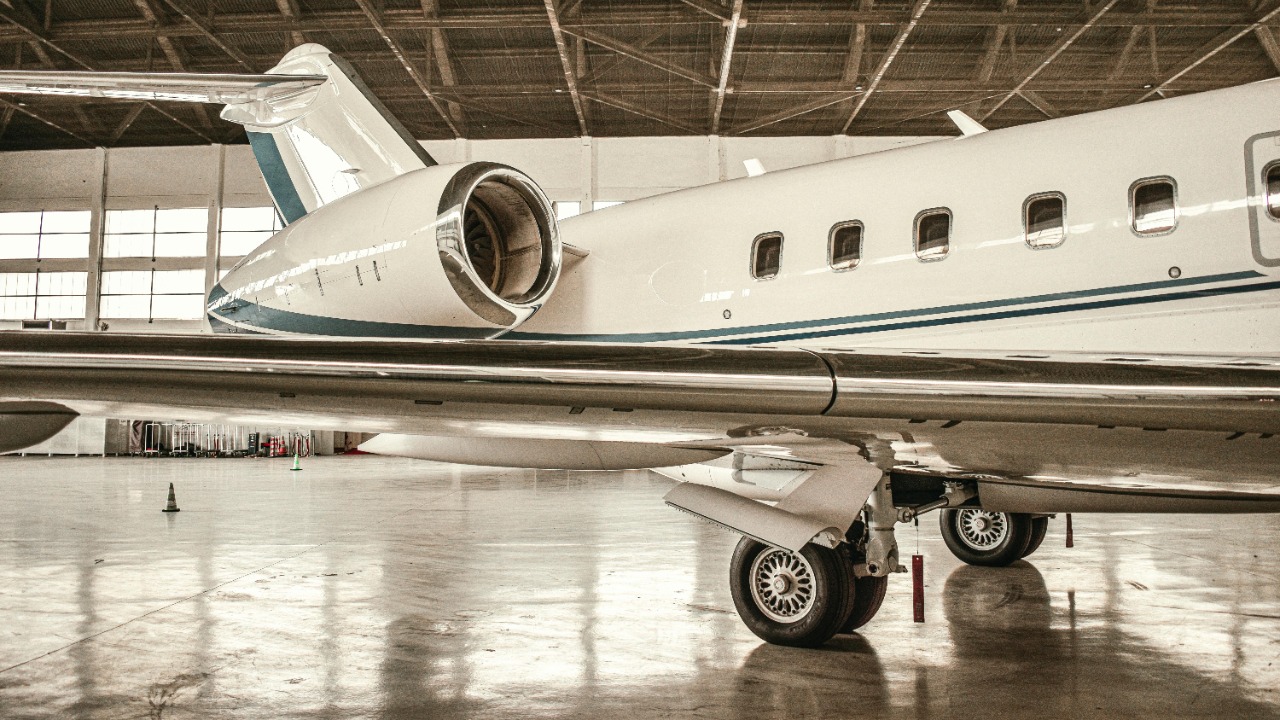
The controversy began in earnest when Kid Rock’s private aircraft was spotted at an airport in Michigan, where onlookers quickly realized this was not a discreet corporate jet. The plane, identified as a Bombardier model, carried bold, unmistakable artwork on its tail that left no doubt about who it belonged to, and that visual swagger became the instant focus of online ridicule. What might have been just another celebrity travel moment turned into a viral spectacle once images of the Bombardier jet in Michigan started circulating and users began dissecting every detail of the design.
On Reddit, commenters seized on the tail art as a symbol of what they saw as Kid Rock’s loudest impulses, mocking the look as “cringey” and arguing that no amount of money could buy the kind of understated elegance they associate with true luxury. One widely shared thread zeroed in on the tail graphics and the overall styling of the aircraft, with users joking that the rocker had turned his plane into a flying billboard for his own persona. Reporting on the sighting noted that the rocker’s Bombardier jet, spotted in Michigan, drew harsh criticism for its obnoxious tail artwork, a reaction that was summed up by one user’s cutting line that “money cannot buy class,” a phrase that has since been repeated across social feeds and in coverage of the Reddit backlash.
The “American Badass” branding and a 1995 Challenger
The Michigan uproar did not come out of nowhere. Kid Rock has long leaned into a brash, hyper-patriotic image, and his jet is part of that branding strategy. Earlier sightings of the aircraft show that it is a 1995 Challenger 650, flying under the tail number N71KR, and the fuselage is emblazoned with the words “American Badass” in large lettering. That phrase, lifted from one of his best-known songs, turns the plane into a literal extension of his stage persona, a choice that might thrill fans but also makes the aircraft impossible to ignore on any tarmac.
In photos shared from a flight lesson at Witham Field, the jet is described as Kid Rock’s 1995 Challenger 650, with “American Badass” emblazoned along the side, a detail that underscores how deliberately the musician has fused his travel habits with his public image. The combination of the Challenger model, the 650 designation, and the oversized slogan has become a recurring reference point for critics who see the plane as a rolling (or rather, flying) advertisement for excess. Those earlier images, which highlighted the Challenger and the “American Badass” script, laid the groundwork for the current wave of mockery, and they continue to circulate as people revisit the N71KR photos in light of the latest uproar.
From fandom to fatigue: how the online roasting escalated
What stands out in the recent reaction is how quickly the conversation shifted from playful teasing to something closer to exasperation. At first, some commenters treated the jet’s styling as on-brand, joking that of course Kid Rock would fly in a plane that looks like a tour bus at 30,000 feet. But as more people weighed in, the tone hardened, with users arguing that the aircraft’s design was not just loud but emblematic of a deeper disconnect between celebrity lifestyles and everyday realities. The tail art and “American Badass” slogan became shorthand for a kind of performative patriotism that critics say feels increasingly out of step with the moment.
Coverage of the Michigan airport sighting captured this shift, noting that the musician’s private jet, parked in Michigan with its rude artwork on display, quickly drew criticism online from people repeating that “money can’t buy class.” The phrase, echoed in comments and captions, framed the jet not as a harmless indulgence but as a tasteless flex, especially when contrasted with the more understated aircraft favored by other high-profile figures. By the time the story spread beyond niche aviation and fan communities, the roasting had become a broader referendum on Kid Rock’s persona, with the Michigan images serving as the latest exhibit in a long-running cultural trial of his public image, as described in reports on the Musician’s jet controversy.
Backlash over excess, pollution and the price of image
As the jokes piled up, a more serious critique emerged around what the jet represents in environmental and social terms. Private aviation has become a flashpoint in debates about climate responsibility, and Kid Rock’s highly customized aircraft offered an easy target for those frustrations. Commenters pointed out that while the tail art and slogans grab attention, the more consequential issue is the carbon footprint of flying a personal jet, especially one used as a canvas for self-promotion. In that context, the “wild luxury feature” is not just the artwork but the very idea of treating a high-emissions machine as a lifestyle accessory.
Recent reporting on the reaction to Kid Rock’s plane has highlighted how critics are linking the jet’s shocking visual features to concerns about the excessive pollution it produces, arguing that the spectacle distracts from the environmental cost of such travel. One account described how Kid Rock faces backlash after his private jet, with its attention-grabbing design, was spotted at an airport, prompting people to repeat that “Money cannot buy class” while also calling out the emissions associated with the aircraft. That framing, which ties the aesthetic outrage to worries about excessive pollution, has helped turn what might have been a fleeting meme into a more sustained conversation about celebrity carbon footprints, as detailed in coverage of the backlash over his.
Kid Rock’s brand of rebellion, from stage to runway
To understand why this particular plane has drawn such intense scrutiny, it helps to see it as part of Kid Rock’s long-running effort to cultivate a defiant, blue-collar rebel image. The “American Badass” slogan on the fuselage is not subtle, and neither is the tail art that has become the butt of so many jokes. For fans, that lack of subtlety is the point: the jet reads as a victory lap for a musician who built a career on loud guitars, flag imagery, and a refusal to blend in. The aircraft’s styling mirrors the aesthetic of his album covers and stage sets, translating that visual language into aviation form.
Critics, however, argue that what once looked like scrappy rebellion now feels like entrenched privilege. The same design choices that supporters see as authentic are read by detractors as a kind of cosplay patriotism, especially when attached to a multimillion-dollar jet. The Michigan sighting, with the Bombardier parked in full view and its tail artwork impossible to miss, crystallized that tension. Reports on the rocker’s Bombardier jet in Michigan, which highlighted how the tail art drew harsh criticism and inspired comments about keeping it “classy as always,” underscored how the plane has become a Rorschach test: fans see a folk hero of heartland rock, while opponents see a wealthy celebrity using national symbols as set dressing, a dynamic captured in coverage of the Michigan airport photos.
Why this jet touched a nerve now
The timing of the uproar also matters. Public patience for ostentatious displays of wealth has thinned in recent years, especially when those displays are tied to high-emission habits like private flying. In that climate, a 1995 Challenger 650 emblazoned with “American Badass” and parked in plain sight at a Michigan airport was almost guaranteed to provoke a reaction. The fact that the jet’s tail art and slogans are so unapologetically loud only amplified the sense that Kid Rock was daring people to notice, and the internet obliged.
At the same time, the reaction reflects a broader shift in how audiences relate to celebrity branding. Where once a custom jet might have been admired as a symbol of success, it is now just as likely to be dissected as a symbol of disconnect. The Michigan images, the earlier Witham Field photos of the Challenger 650, and the reports tying the jet’s shocking features to concerns about excessive pollution have all fed into a narrative that sees Kid Rock’s plane as more than transportation. It has become a case study in how a single, highly visible luxury object can crystallize debates about taste, responsibility, and what kind of rebellion still resonates in an era of heightened scrutiny.