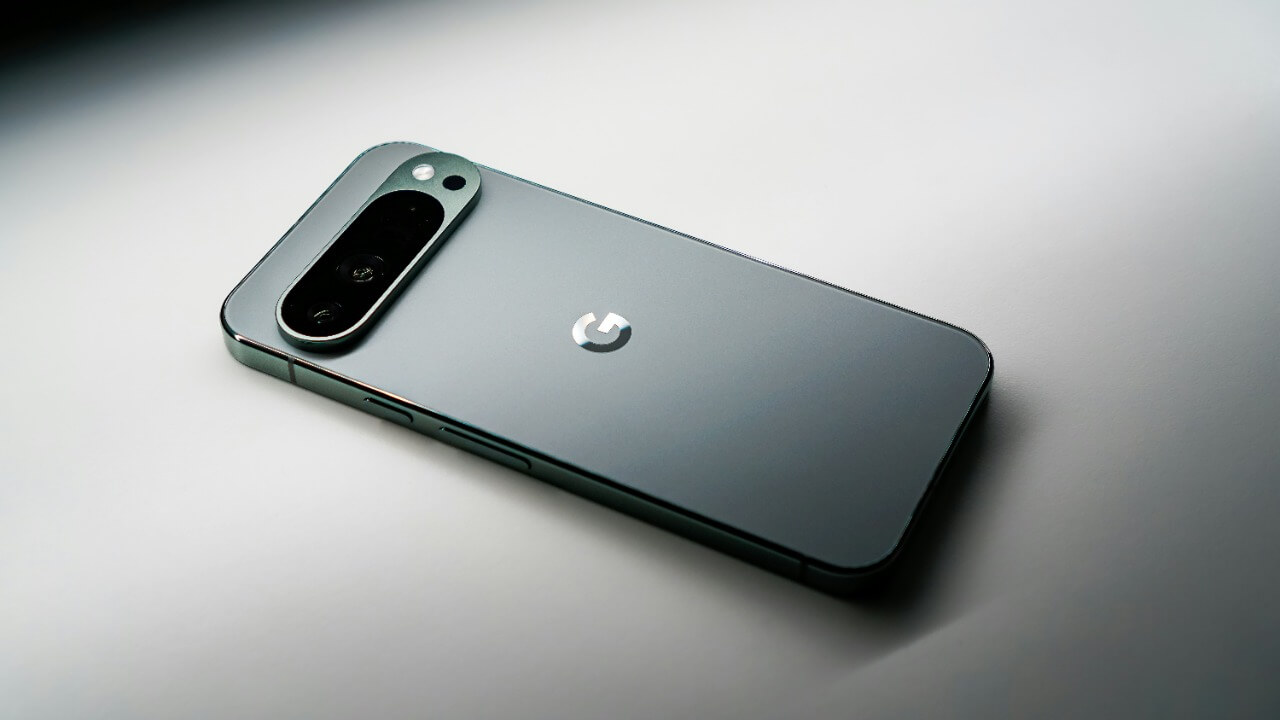

The February 2026 rollout for Android 16 is now live for recent Pixel hardware, but anyone hoping for a fresh batch of bug fixes is going to be disappointed. The new build focuses almost entirely on security for Android 16 QPR2, leaving the Pixel 7a, Tablet, Fold, 8, 8 Pro and other supported phones functionally unchanged while Google quietly prepares its next feature drop.
Instead of headline-grabbing tweaks or camera upgrades, the update is a small, routine package that tightens security and little else. For Pixel owners who have grown used to monthly quality-of-life improvements, the absence of functional fixes is striking and hints at a deliberate pause ahead of bigger changes later in the Android 16 cycle.
What the February Android 16 update actually delivers
At a system level, the new Android 16 build is a classic maintenance release that keeps devices current with the latest security bulletin while avoiding any visible interface or behavior changes. Google is pushing the patch as part of Android 16 QPR2 to a broad lineup that includes the Pixel 7a, the Pixel Tablet, the Pixel Fold, the Pixel 8 and the Pixel 8 Pro, along with other recent models that already run Android 16. The company’s own notes describe a monthly software update that all supported Pixel devices on Android 16 will receive, framing it as a standard part of the platform’s security cadence rather than a feature event, which matches the minimal changelog attached to the new build for each Android release.
Google’s official support communication reinforces that message, stating that the company has started to roll out the monthly software update for February 2026 and that all supported Pixel devices running Android 16 will receive the latest software once the staged deployment reaches them. That language is deliberately generic, and it is backed up by user-facing reports that the over-the-air package is only about 25 megabytes in size, a tiny download that aligns with a security-only patch. In practice, that means most owners will see a notification, tap to install, and notice no difference in how their Pixel behaves once it reboots.
No Pixel bug fixes, and why that matters
The most striking detail in the February rollout is what is missing, not what is included. Google’s own documentation and the early hands-on reports agree that there are effectively no new bug fixes for Pixel phones in this update, despite ongoing complaints about issues like inconsistent fingerprint recognition on the Pixel 8 series or occasional app crashes on the Pixel Fold. One analysis of the Android 16 February 2026 security package describes it as shipping with almost nothing fixed, noting that the bulletin lists a single functional correction while the rest of the work is confined to underlying security patches that have already been merged into the mainline Android code.
That same breakdown emphasizes that the February 2026 update does not bring any changes to how your device works, and that the next round of meaningful improvements will arrive with a later quarterly platform release. For everyday users, the practical impact is that nagging problems are left untouched for at least another month, even as Google continues to highlight the Pixel line as the best way to experience Android. The contrast between the marketing pitch and a month where the Pixel monthly update is described as a very short read, with little to say beyond security, is hard to miss for anyone who has been tracking the cadence of The February patches.
Which Pixel models are actually getting the update
Even if the contents are modest, the February rollout still matters because it defines which devices remain on Google’s active support list. The company’s own support thread spells out that all supported Pixel devices running Android 16 will receive the update, which covers the current flagships and recent midrange phones but excludes older hardware that has aged out of the update window. A detailed breakdown of the rollout highlights that the Pixel 7a, the Pixel Tablet, the Pixel Fold, the Pixel 8 and the Pixel 8 Pro are all part of the Android 16 QPR2 wave, with multiple carrier builds appearing for some regions as Google coordinates with partners to distribute the Pixel firmware.
Separate guidance aimed at owners spells out every supported model in plain language, describing the February package as a small but important update for your Pixel and reassuring readers that if their phone appears on the list, they are in the right place. That same overview notes that there is not anything else here beyond the security work, a candid acknowledgment that the patch is more about staying current than unlocking new capabilities. For anyone still unsure, the advice is simple, check your phone, look for the February Pixel update notification, and install it when it appears, since even a quiet security patch is better than leaving your Pixel exposed.
A deliberate pause ahead of bigger Android 16 changes
The absence of Pixel bug fixes in February is not happening in a vacuum. Reporting around Google’s roadmap suggests that the company is intentionally holding back more substantial changes for the next quarterly platform release, Android 16 QPR3, which is expected to bundle new features and a larger set of bug fixes into a single, more impactful drop. One analysis of the current situation describes Google’s February 2026 Pixel update as small, likely holding back major changes for the upcoming release, and notes that the broader Android security bulletin for this cycle fixes 33 bugs at the platform level even as the Pixel-specific notes stay almost entirely focused on security.
From a user perspective, that strategy means a quieter month now in exchange for a more dramatic set of changes later, but it also underscores a shift in how Google treats older Pixels. The same analysis points out that the February Android update confirms a big shift for older devices, as Google leans more heavily on core Android security patches and less on bespoke Pixel feature work for hardware that is approaching the end of its promised support window. In practice, that could mean that some owners will see their phones continue to receive security updates while missing out on the flashier additions that arrive with future QPR builds, a trade-off that reflects how Google is prioritizing its engineering resources across the Android ecosystem.
How the tiny patch lands on real devices
On the ground, the February update is arriving as a blink-and-you-miss-it download that many users will install without a second thought. One early look at the rollout describes the Pixel update package as only about 25 megabytes, small enough that it will not take long to download over the air even on a middling connection, and notes that there is not much to read in the changelog beyond the usual security language. Another hands-on summary puts it bluntly, stating that there is not much to this month’s patch and that it will have little impact on immediate usage, which matches the experience of users who report that their phones feel exactly the same after installing the February Pixel build.
Even so, the update is still being promoted across social channels and support forums as something every eligible owner should grab. Short video clips show users heading into system settings, tapping through to the system update screen, and confirming that the February patch is available to download now, reinforcing the idea that staying current on security is part of responsible phone ownership. Official guidance echoes that message, reminding people that Google has started to roll out the monthly software update for February 2026 and that all supported Pixel devices running Android 16 will receive the latest software in the coming days, a gentle nudge to keep your Pixel up to date even when the patch notes feel underwhelming.