
Commercial skies between the United States and Venezuela are opening again after years of restrictions, and the shift is happening at presidential speed. Acting on President Donald Trump’s order to restore “all commercial airspace” over the country, regulators have cleared a path for U.S. airlines to return, and American Airlines is already positioning itself to operate the first flights. The move instantly turns Venezuelan routes from a geopolitical flashpoint into one of the most closely watched aviation and energy stories of the year.
The reopening is more than a scheduling change. It marks a reset in how Washington engages with Caracas, a potential lifeline for families split between the two countries, and a test of whether airlines and regulators can manage security and economic risk in a region that has been largely off limits to U.S. carriers since 2019.
Trump’s order and the FAA’s rapid pivot
President Donald Trump has framed the reopening of Venezuelan skies as a deliberate political signal, telling Venezuela’s acting leadership that he would unlock “all commercial airspace” over the country to restore travel links and encourage economic normalization. In public remarks highlighted in national coverage, President Donald Trump tied the decision directly to a broader reset with Venezuela, signaling that Americans would soon be able to visit again after years of isolation. The White House move came alongside a parallel diplomatic track, with reporting describing how President Trump used a Cabinet meeting setting to underscore that reopening the skies was part of a reset with an acting government in Caracas, a point amplified in coverage of a WATCH LIVE Cabinet session.
The Federal Aviation Administration moved quickly once the political decision was made. The FAA confirmed that it had removed multiple Notices to Air Missions in the region, including a key restriction on Venezuelan airspace that had effectively barred U.S. carriers from overflying or serving the country. In a more detailed statement, The FAA said it had lifted four NOTAMs in the Caribbean, including one that had covered Venezuela, and it emphasized that carriers would still need to coordinate exact arrival and departure routes. The US Federal Aviation Administration’s broader explanation described the move as a lifting of key flight bans over Venezuela and the, a major reversal that followed President Trump’s directive and restored access to the Piarco Flight Information Region that had been constrained by earlier security concerns.
From blanket ban to managed risk corridor
The shift is striking given how comprehensive the earlier restrictions were. U.S. regulators had cited risks from military activities, civil unrest and GPS interference when they first moved to block U.S. carriers from operating in or over Venezuelan territory, a rationale that the FAA reiterated even as it announced the new policy. In its latest comments, the agency said it now “looked forward to facilitating the return of regular travel between the U.S. and Venezuela,” but stressed that airlines would still be expected to conduct their own security assessments before resuming service, a reminder that the risk calculus has shifted but not disappeared. The US Federal Aviation Administration’s explanation that it had removed key flight restrictions over Venezuela and the underlines that the corridor is now open but still closely monitored.
On the political side, the order has been framed as part of a broader normalization with a new leadership structure in Caracas. One detailed account of the presidential Order notes that it allows direct flights from the United States to Venezuela at the same time that major oil companies are already on the ground to assess potential operations, and it describes how the decision followed a change in political control after Rodríguez replaced Maduro, according to reporting by Joseph. Another account of President Trump’s outreach to the acting president in Caracas underscores that he personally informed the new leadership that he would open up all commercial airspace over Venezuela, a detail that ties the aviation shift directly to the new political arrangement.
American Airlines races to be first back in Caracas
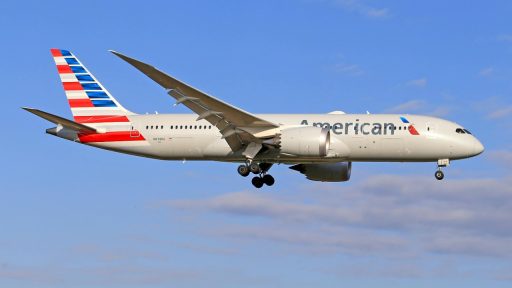
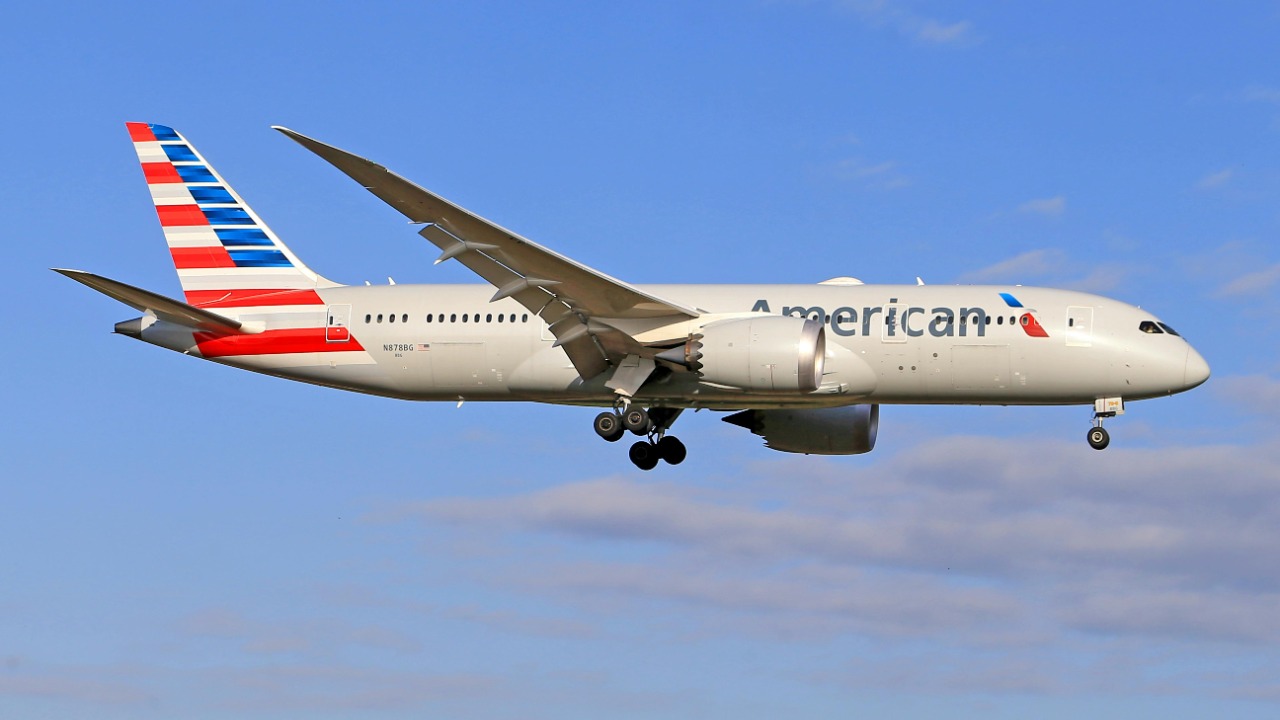
Among U.S. carriers, American Airlines has moved fastest to capitalize on the new policy. The company has publicly positioned itself as the first major U.S. airline planning to resume flights to Venezuela, and investor-focused reporting notes that American Airlines (AAL) had previously served Caracas and Maracaibo until it suspended operations. The airline’s own announcement describes how American Airlines becomes the first carrier to reconnect Venezuela with the United States, with American planning daily service that would restore a direct bridge between Miami and Caracas. A separate analysis of the carrier’s strategy notes that American Airlines plans to be the first major U.S. carrier to resume flights to Venezuela, reinforcing that AAL sees a first mover advantage on a route that had been dormant for years.
The company’s eagerness is not new. Industry coverage earlier in the week described how American Airlines Wants To Be First US Carrier To Fly To Venezuela After Trump Orders Airspace Restrictions Lifted, explaining that American had been preparing for a potential reopening even before the formal FAA decision. Another detailed report on American Airlines to Lead U.S. Airline Return to Venezuela notes that Daniel McCarthy described how American Airlines is poised to become the first U.S. carrier to reconnect the market, and it includes a reference to a Photo of an American Airlines aircraft that underscores the symbolic weight of the first scheduled flight. In its own corporate messaging, American Airlines becomes the first airline to reconnect Venezuela with the United States, and American has framed the route as both a commercial opportunity and a community service for Venezuelan Americans.
Seven-year hiatus ends, but safety questions linger
For American Airlines, the return caps a long absence. Aviation analysts point out that American Airlines Announces Return to Venezuela After 7-Year Hiatus as Airspace Reopens, with the carrier highlighting from WASHINGTON that it will restart passenger and cargo flights after a break that began when security and economic conditions deteriorated. The same reporting on American Airlines Announces Return to Venezuela After a 7 Year Hiatus as Airspace Reopens notes that the airline plans multiple weekly frequencies and will carry both passengers and freight, a sign that it expects pent up demand from families and businesses. A separate account of American Airlines to Lead U.S. Airline Return to Venezuela, written by Daniel McCarthy, underscores that American Airlines is poised to become the first U.S. carrier to reenter the market and that Daniel framed the move as a historic pivot for the airline’s Latin American network.
Yet even as schedules are drawn up, pilots and regulators are stressing caution. American Airlines Capt. Dennis Tajer has been explicit that Everyone is focused on safety above all else, telling business media that American Airlines Capt. Dennis Tajer wants Americans to know that the airline will conduct thorough risk assessments before flying into Venezuelan airspace again. In that interview, Dennis Tajer explained that Everyone at the airline is focused on safety and that Americans should expect the company to lean on intelligence and regulatory guidance before finalizing routes, comments that were carried in a detailed report on American Airlines Capt and his message to Americans. The FAA has echoed that stance, with one account of American Airlines plans to resume US flights to Venezuela noting that the Venezuela route will only restart pending government approval and that the FAA’s Thursday statement referenced prior concerns about military activities and GPS interference that have not entirely vanished.