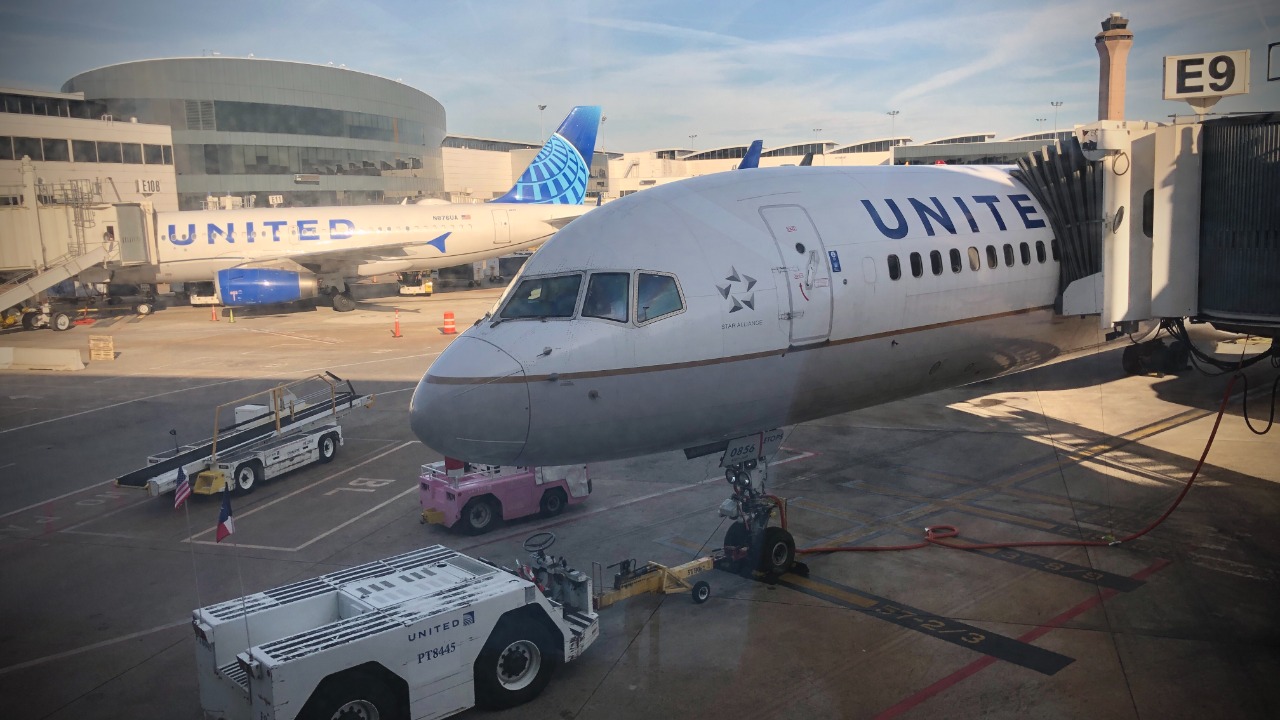

Houston’s George Bush Intercontinental Airport is now the national test bed for a new kind of runway radar designed to catch dangerous mistakes before they turn into catastrophe. The Federal Aviation Agency has installed a next‑generation surface system that tracks aircraft and vehicles on the ground in real time, giving controllers a sharper view of potential conflicts and a faster way to intervene.
The move puts one of the country’s busiest hubs at the center of a broader push to stop deadly plane crashes that begin with a wrong turn on the taxiway or a missed instruction at a runway intersection. By pairing upgraded radar with smarter alerts, the technology aims to turn near misses into non‑events that passengers never hear about.
Houston becomes the first proving ground
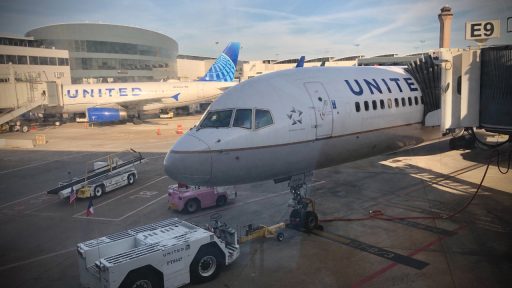
Air traffic controllers at George Bush Intercontinental Airport, known by its code IAH, are the first in the United States to work with this new surface radar in live operations. The FAA selected the Houston hub as the lead site, a decision that reflects both the airport’s heavy traffic and its complex web of intersecting runways and taxiways, which make it a prime candidate for advanced ground surveillance. Officials in HOUSTON have framed the rollout as both a safety upgrade and a statement about the city’s role in national aviation.
The FAA has described the system as a new generation of Surface Movement Radar, tailored to detect aircraft and ground vehicles with greater precision than the legacy equipment it replaces. In public posts, The FAA highlighted Houston and IAH as the first airport in the country to receive this specific technology, underscoring that the deployment is meant to set a template for other major hubs. That first‑mover status also means controllers in Houston will help refine how the radar’s alerts are tuned, which thresholds matter most, and how the system fits into the rhythm of a busy tower.
How the new radar watches every move
The core promise of the upgrade is simple: give controllers a clearer, more continuous picture of everything that moves on the airfield, then warn them when something looks wrong. The FAA has said the radar is paired with a network of sensors that detect planes as they taxi, line up, and cross active runways, as well as vehicles that share the same pavement. That data feeds into displays in the control tower, where software flags potential conflicts before they become visible to the naked eye, especially in low visibility or at night.
Technologists inside the agency have described the change as replacing a radar that was “almost 40” years old with a system that can track targets more accurately and present them more intuitively to controllers. In one account, an FAA representative contrasted the old and new setups by explaining that the upgraded radar not only shows where aircraft are, it also helps controllers understand how close they are to each other and to critical points on the airfield, a capability detailed in a recent briefing. That shift from simple dots on a screen to context‑rich situational awareness is what gives the system its potential to stop accidents in their earliest moments.
Stopping runway disasters before they start
Runway safety incidents rarely begin with dramatic failures; they usually start with a small misunderstanding, a missed turn, or a moment of distraction that puts two aircraft on a collision course. The FAA has been blunt that “one wrong turn on the ground can end a flight before it ever leaves the runway,” a warning it echoed in a public statement about the Houston upgrade. By catching those wrong turns as they happen, the new radar is meant to transform how quickly controllers can intervene, whether that means canceling a takeoff clearance or ordering a taxiing jet to stop short of a crossing.
Houston’s Bush airport has been singled out as the first with this runway safety radar specifically because of its potential to prevent plane collisions. Reporting on the installation has emphasized that the system is designed to reduce “close call” crashes, the kind of near‑miss events that have drawn national scrutiny in recent years. One detailed account of the rollout at Houston’s Bush airport described the radar as a direct response to those risks, tying the investment to findings from an FAA investigation into runway incursions. The logic is straightforward: if controllers can see a conflict building even a few seconds earlier, they have a much better chance of preventing a tragedy.
From aging equipment to a national model
The decision to start in Houston is also a tacit admission that parts of the nation’s ground surveillance network were overdue for renewal. In coverage of the Bush Intercontinental installation, FAA officials have contrasted the new system with a radar that dates back decades, describing the previous setup as “almost 40” years old and limited in how it displayed traffic. That context, laid out in detail in a technical explanation, helps explain why the agency is now moving aggressively to modernize, starting with one of its most complex airports.
Officials have also signaled that Bush Intercontinental is only the first step in a broader rollout. In one account of the program, the FAA noted that the same type of radar is expected to reach other major airports over the next three years, including Houston’s secondary field, Hobby Airport, a timeline described in detail by reporter Nick Natario. That phased approach lets the FAA refine procedures at IAH before replicating them elsewhere, turning Houston into a template for how to integrate advanced ground radar into daily operations without overwhelming controllers.
Local stakes, national implications
For Houston, the radar upgrade is more than a technical milestone; it is a statement about the city’s role in the national aviation system. George Bush Intercontinental sits at the heart of a sprawling metro area and serves as a major connecting hub, a status reflected in its profile within global aviation. Making IAH the first airport to receive the new system signals that the FAA sees runway safety at Bush as a national priority, not just a local concern, and that improvements here are expected to ripple outward through the broader network of routes and connections.
The human side of the rollout is just as important as the hardware. Logistics Coordinator Katherine Levens has been cited explaining how the “New” radar system aims to prevent close call crashes and how the project fits into a modernization effort that dates back to the 1990s, a process that has unfolded over at least 37 distinct implementation steps, a figure referenced as 37 in program documentation. In parallel, the FAA has used its own channels to stress that this upgrade exists specifically to stop dangerous moments on the ground before they escalate, a message repeated in Jan communications and reinforced by The FAA in social media posts. As those messages filter out to pilots, controllers, and passengers, Houston’s new radar is being framed not just as a local upgrade, but as a model for how the country intends to keep runway disasters from ever leaving the ground.