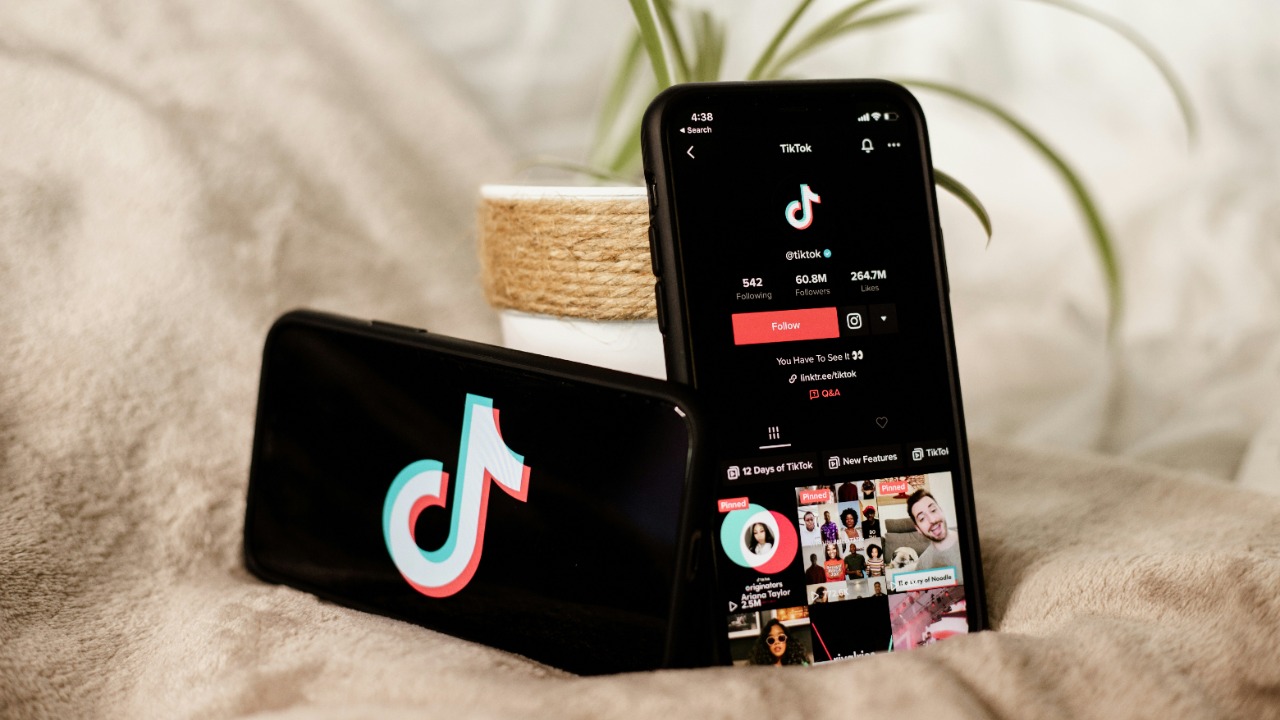

TikTok has secured a complex joint venture that will keep the app running for American users, sidestepping a looming nationwide ban that had threatened to pull one of the world’s most popular platforms off U.S. phones. The deal carves out a new American-controlled entity, reshapes ownership around domestic investors, and layers on national security safeguards that U.S. officials had demanded for years. It is the clearest sign yet that Washington and Beijing are willing to tolerate a tightly managed compromise rather than a clean break.
At its core, the agreement forces TikTok’s Chinese owner, ByteDance, to surrender control of the U.S. business while preserving a minority stake and some economic upside. The structure reflects a broader shift in how the United States is trying to govern foreign technology, using forced divestitures and joint ventures instead of outright bans to manage security risks without detonating a platform that millions of small businesses and creators now depend on.
The law that forced TikTok’s hand
The joint venture is the direct product of a U.S. law that threatened to bar TikTok unless ByteDance sold off most of its American operations. That statute, which took effect earlier this year, requires ByteDance to divest approximately 80% of its U.S. assets, a threshold that effectively forced the company into a sale process. The US law followed years of warnings from lawmakers who argued that TikTok’s Chinese ownership created unacceptable risks around data access and influence operations, and it gave the company a hard deadline to either restructure or disappear from American app stores.
President Donald Trump, who had long pushed for a tougher line on Chinese technology platforms, signed an executive order that set the divestiture process in motion and backed the legislation that ultimately mandated the spin off. Earlier negotiations, including a framework described in a Dec memo, had already envisioned TikTok’s U.S. operations being housed in a new joint venture. The final deal largely follows that blueprint, but with stricter ownership caps and more explicit security controls than ByteDance had initially sought.
Inside the $14 billion American venture
The new U.S. entity is built around a roughly Strikes Deal for valuation of about $14 billion for the American business, a figure that reflects both TikTok’s massive user base and the political risk discount that has hung over the company. Existing ByteDance investors will control 30.1% of the new company, while ByteDance itself will retain 19.9%, keeping it below the 20 percent ceiling set by U.S. law. That structure satisfies the requirement that control shift decisively into American hands while still giving Chinese shareholders a meaningful, if constrained, stake.
The buyer group is anchored by Oracle, the tech giant co founded by Trump ally Larry Ellison, which is taking a leading role in the new venture’s infrastructure and governance. Reporting indicates that Oracle is joined by other major investors, and that the new owners will include American firms aligned with the administration’s national security priorities. A separate account notes that the social video platform signed agreements with Silver Lake and, alongside Oracle, to form the joint venture that will run the platform in the United States.
Security safeguards and who really controls the app
Ownership is only part of the story. U.S. officials also insisted on technical and governance safeguards that would wall off American data and content decisions from Beijing. The new app will operate under what one description calls “defined safeguards that protect national security through comprehensive data protections, algorithmic transparency and independent oversight,” a framework detailed in an American version of the app. That includes commitments to store U.S. user information on domestic servers and to subject recommendation systems to review by American approved experts.
The governance structure is designed to give U.S. stakeholders the final say over how those safeguards are implemented. The social video platform company has said that the joint venture’s board will include major American investors and that the leadership team, which includes TikTok’s CEO Shou Chew, will answer to them under U.S. law, according to Associated Press reporting. A separate summary notes that the new American venture will have its own chief executive, with Alexandra S. reportedly set to lead the U.S. business, a detail highlighted in a Seals Deal account.
Washington, Beijing and a rare moment of alignment
For all the tension between the United States and China, both governments ultimately signed off on the arrangement. One summary notes that Social media giant TikTok reached a deal for a new joint venture in the United States to avoid being banned for Amer users, and that TikTok’s Chinese owner, ByteDance, has accepted a sharply reduced ownership stake. Beijing’s approval was not guaranteed, given its own rules on exporting recommendation algorithms, but the final structure appears to have convinced Chinese regulators that ByteDance’s intellectual property will remain protected even as operational control shifts abroad.
In Washington, the measure that forced the divestiture received widespread bipartisan support in Congress, reflecting years of concern about privacy and national security risks tied to the app’s Chinese roots. Lawmakers framed the joint venture as a way to spin off TikTok’s U.S. business into a company that could be held accountable under American law, a rationale described in detail in finalizes deal coverage. The fact that both capitals ultimately endorsed the compromise underscores how deeply TikTok has become embedded in global culture and commerce, making a clean ban politically and economically costly for everyone involved.
What changes for users, creators and brands
For everyday users, the most important outcome is that TikTok will not suddenly vanish from their phones. The company has finalized a deal to create a new American version of the app, avoiding the looming threat of a ban in the U.S. that had hung over the platform for months, according to an American account. Another report describes the resolution as a win for small businesses, big brands and content creators who rely on TikTok for marketing and income, noting that years after a potential ban was first discussed, the deal preserves a critical channel for digital commerce and culture, as highlighted in a Seals Deal summary.
Users should expect more visible disclosures about data handling and possibly new tools to manage privacy and algorithmic recommendations, reflecting the “comprehensive data protections” promised in the Finalizes Deal description. For creators and advertisers, the joint venture could bring more stability after months of uncertainty, but also tighter rules on political content and influence campaigns as American overseers assert more control over moderation. One analysis of What the deal means for users notes that the agreement paves the way for TikTok to escape legal peril while keeping the core experience intact, even as behind the scenes governance shifts dramatically.