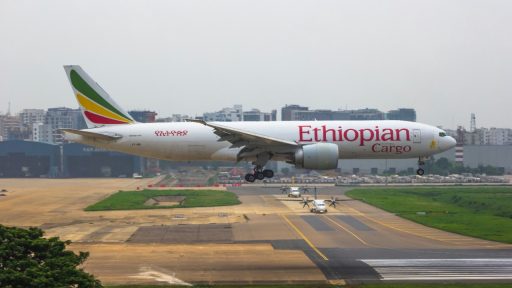
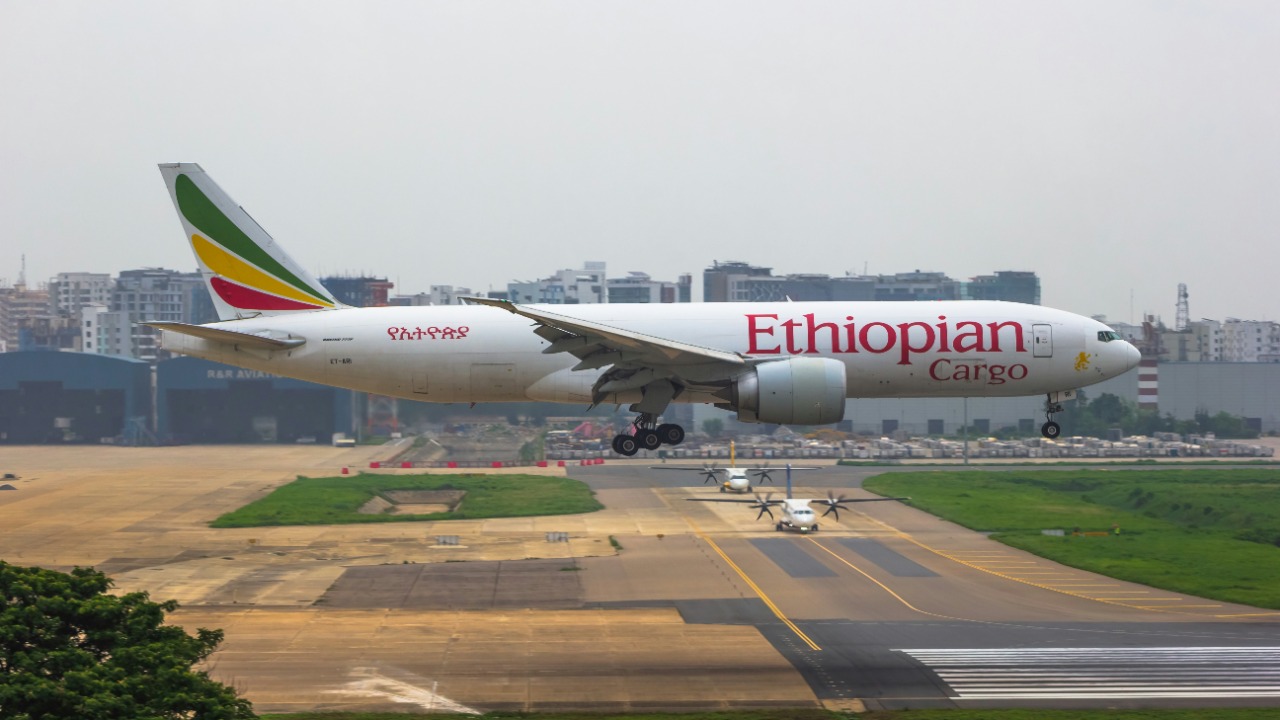

Ethiopian Airlines is doubling down on its long-haul growth strategy with a fresh commitment to the Boeing 787 family, firming an order for nine additional 787-9 aircraft that will significantly expand its widebody fleet. The deal deepens one of Africa’s most important airline–manufacturer partnerships and signals continued confidence in the 787 platform as the backbone of the carrier’s intercontinental network.
The new aircraft will slot into an already substantial Dreamliner operation at the Addis Ababa hub, giving the airline more flexibility to add destinations, increase frequencies and refine its product on key routes. For Boeing, the agreement extends a long relationship with a flagship African customer at a time when widebody demand is rebounding and competition for fleet renewal campaigns is intense.
What the new 787-9 order actually includes
The latest commitment centers on nine 787-9 jets, with Ethiopian Airlines Confirms aircraft as part of a broader plan to reinforce its long-haul fleet. In its own description of the deal, the carrier highlights the 787 family’s efficiency and passenger appeal, noting that the additional 787-9s will help it keep unit costs in check while offering a modern cabin experience. The order builds on an existing Dreamliner fleet and reflects how central the 787 has become to Ethiopian’s global ambitions.
From Boeing’s side, the transaction is framed as a joint announcement in which Boeing and Ethiopian additional Dreamliners, underscoring the manufacturer’s view of the carrier as a cornerstone customer in Africa. The aircraft are part of the 787 family, and the deal sits alongside a separate purchase of 11 more 737 MAX jets, which together point to a dual narrowbody and widebody growth track. For Boeing, securing repeat business from a major East African airline is both a commercial win and a reputational boost in a strategically important region.
Firming Dubai Air Show commitments and options
The new order is not an isolated move, but rather the formalization of earlier intentions signaled at major industry events. Reporting on the deal notes that the East African carrier has firmed options on nine additional 787-9s and finalized a Dubai Air Show commitment, turning provisional plans into a binding fleet decision. That progression from options to firm orders is a telling indicator of management confidence in demand projections and in the performance of the 787-9 on existing routes.
The structure of the deal also reflects how Ethiopian uses the options mechanism to manage risk while preserving growth flexibility. By initially securing options on 787 aircraft, then later exercising them as market conditions and internal forecasts align, the airline can calibrate capacity without overcommitting too early in the cycle. The follow-on nature of this order, described as boosting its existing 787 commitments, shows a carrier leaning into a type it already knows well operationally and commercially.
How the Dreamliners fit Ethiopian’s long-haul network
Ethiopian’s decision to add more 787-9s is tightly linked to the scale and shape of its intercontinental network. The airline has said the additional widebody jets will support its long-haul operation, which currently serves 145 international destinations, and that it plans further international growth from its Addis Ababa base. In practical terms, more 787-9s give schedulers the ability to add frequencies on trunk routes to Europe, Asia and the Americas while also probing new city pairs that might not yet justify larger widebodies.
The airline’s own communications emphasize that the 787 family, referred to in multiple statements simply as 787 aircraft, is central to strengthening customer service on long-haul routes. The 787-9 variant, with its range and seat count, is particularly well suited to connecting secondary cities to Addis Ababa without sacrificing economics. For passengers, the move promises more nonstops and potentially improved schedules, while for the airline it supports a hub strategy that relies on feeding traffic from across Africa into a global network.
Why Boeing’s 787 remains the backbone of the partnership
For Boeing, the Ethiopian deal is part of a broader narrative about the resilience and appeal of the 787 program. Company statements describe how Boeing has started the year on a strong note with new orders for its popular 787 Dreamliner family of widebody twinjets, and Ethiopian’s follow-on purchase is a marquee example. The manufacturer highlights the aircraft’s fuel efficiency and range as key selling points for airlines that need to balance environmental pressures with the economics of long-haul flying.
The branding around the aircraft is also prominent. Boeing’s own social channels celebrated the deal with a post thanking the carrier, noting that there are Nine more 787-9 airplanes for Ethiopian Airlines and explicitly referencing the Dreamliner name. In official materials, the company repeatedly uses the term Dreamliner to underscore the product’s market positioning. For Ethiopian, aligning with that branding helps signal to customers that its long-haul fleet is built around a globally recognized, next-generation aircraft type.
Strategic fit with Ethiopian’s long-term growth vision
The 787-9 order also needs to be read against the backdrop of Ethiopian’s long-term corporate strategy. Case study material on the airline notes that it has been Encouraged by its performance toward Vision 2025, under which Ethiopian Airlines expected to reach USD 25 billion in revenue and a fleet of 200 aircraft by 2035. Adding nine more 787-9s is consistent with that trajectory, pushing the carrier closer to its long-term fleet targets while reinforcing its status as a pan-African champion with global reach. The investment in new widebodies is not just about capacity, but about maintaining a competitive edge in product and reliability.
Financially and commercially, the airline is positioning the Dreamliner as a core asset in that strategy. One detailed breakdown of the deal notes that Ethiopian Airlines Confirms B 787 Dreamliner Airplanes From Boeing and will leverage these aircraft to deepen connectivity across the world’s second-largest continent and beyond. The same reporting stresses that the 787, explicitly labeled as Dreamliner Airplanes From, is central to how the carrier intends to serve both African and intercontinental markets with a modern, efficient fleet.