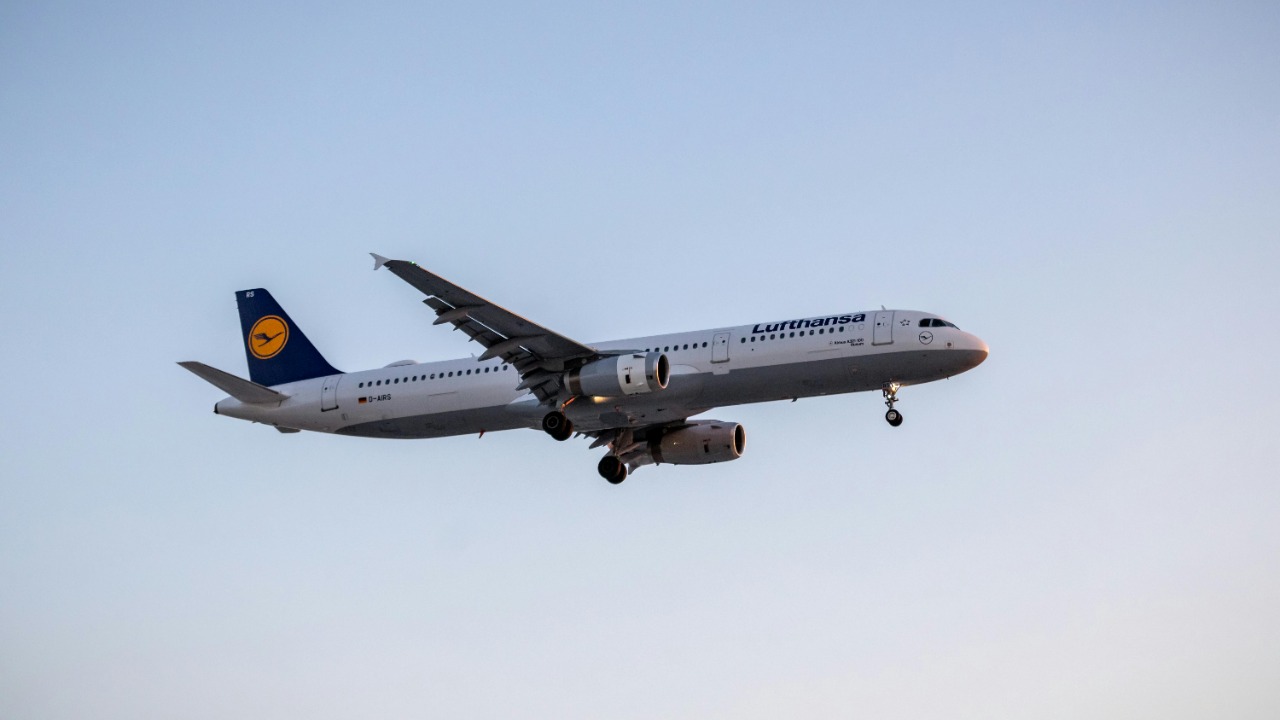

Lufthansa has postponed its planned return to Tehran amid ongoing unrest in Iran, interrupting earlier plans to restore regular service to the capital. Multiple international carriers have also suspended their routes to Iran in response to escalating security concerns, tightening the flow of passengers and cargo into the country. The shift underscores how quickly regional instability can reshape airline networks and force operators to recalibrate risk in real time.
Lufthansa’s Decision to Postpone Flights
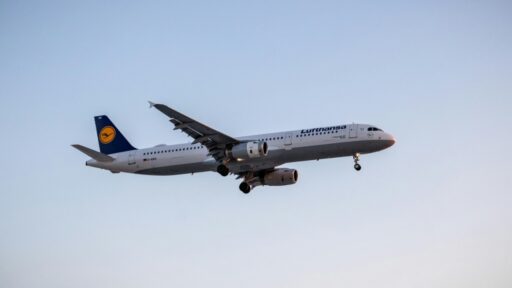
Lufthansa had prepared to resume flights between its German hubs and Tehran after a previous pause, but the carrier has now delayed that return in direct response to the current unrest in Iran. According to reporting on the decision, the airline has opted to keep its Tehran route on hold rather than proceed with the planned restart, citing the deteriorating security environment and uncertainty around conditions on the ground. The move interrupts the company’s earlier operational timeline for reconnecting with the Iranian capital and signals that its internal risk assessments have shifted toward greater caution.
The airline has not announced a specific new date for resuming Tehran operations, instead framing the postponement as an open-ended pause that will be revisited as the situation evolves. By choosing not to commit to a firm schedule, Lufthansa is prioritizing flexibility and safety over commercial predictability, which has immediate implications for passengers, corporate clients, and cargo shippers that rely on predictable long-haul links. The decision, detailed in coverage by AeroTime, illustrates how a single route can become a focal point for broader concerns about crew security, overflight risk, and access to airport infrastructure during periods of unrest.
Broader Carrier Suspensions Across Iran Routes
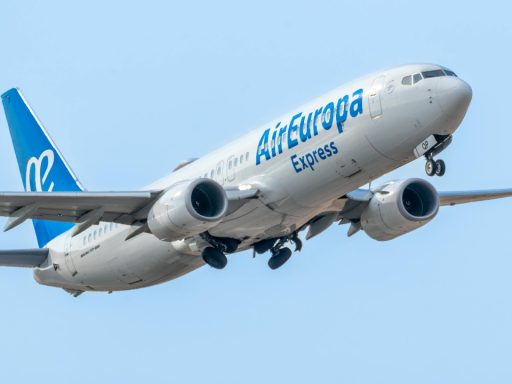
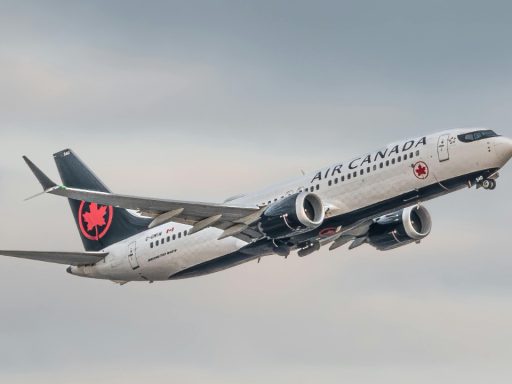
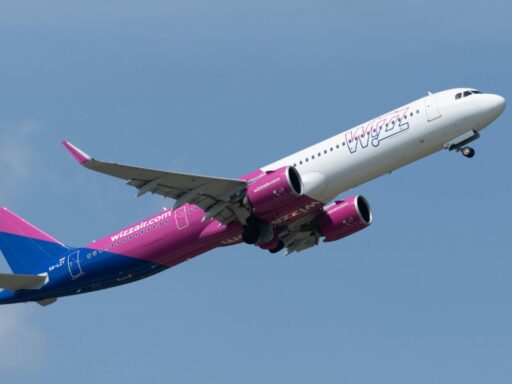
Lufthansa’s postponement is part of a wider pattern in which several carriers have suspended their Iran routes in light of the same unrest, collectively reducing scheduled commercial traffic into the country. Operators that had maintained at least limited service to Tehran and other Iranian destinations have shifted to full pauses, reflecting a shared conclusion that current conditions do not support routine passenger operations. These suspensions affect a range of international connections, from European and regional Middle Eastern links to long-haul itineraries that previously used Iran as either a destination or a key stop in broader network planning.
For the airlines involved, suspending Iran-bound services is not only a safety measure but also a signal to regulators, insurers, and customers that they are aligning with the most conservative interpretation of risk. Each carrier’s decision feeds into an industry-wide recalibration of acceptable exposure to volatile airspace and airport environments, particularly where unrest can disrupt ground handling, security screening, or access to critical fuel and maintenance services. The collective pullback underscores how quickly a localized crisis can ripple through global aviation, forcing network planners to reassign aircraft, crews, and slots while passengers face cancellations, rerouting, and longer travel times.
Context of Unrest Driving Aviation Changes
The immediate catalyst for Lufthansa’s postponement and the broader wave of route suspensions is the ongoing unrest in Iran, which has raised concerns about stability in Tehran and other key urban centers. Reports describe a situation in which protests, security crackdowns, or other forms of civil disturbance have created a fluid environment that complicates routine airport operations and ground logistics. For airlines, such unrest heightens worries about access to airports, the safety of crew layovers, and the reliability of local support services that are essential to turning aircraft around on schedule.
Compared with earlier periods of relative stability, the current unrest represents a material escalation that is forcing airlines to revisit their Middle East flight strategies and contingency plans. Carriers that once treated Tehran as a stable, if politically sensitive, destination are now weighing whether to avoid Iranian airspace altogether, adjust flight paths, or rely more heavily on alternative hubs in the region. These shifts have broader implications for how global airlines manage geopolitical risk, as they must balance the commercial value of serving large markets against the operational hazards that can emerge quickly when domestic tensions flare.
Implications for Regional Air Travel
The combined effect of Lufthansa’s Tehran postponement and other carriers’ Iran suspensions is a significant disruption to regional connectivity, affecting both passengers and cargo flows. Travelers who previously depended on direct links to Tehran now face a patchwork of rerouting options, often involving additional stops in neighboring countries or longer detours that add cost and time to their journeys. For cargo operators, the loss of belly capacity on passenger flights reduces available lift into and out of Iran, complicating supply chains for industries that rely on just-in-time deliveries or specialized freight handling.
Airlines are closely monitoring the unrest for signs that conditions might stabilize enough to support a phased return, but the current posture is one of temporary yet indefinite holds on Iran-bound services. This uncertainty makes it difficult for businesses to plan travel, for diaspora communities to maintain regular visits, and for tourism stakeholders to forecast demand. At the same time, the situation highlights a broader shift in stakeholder priorities, as carriers, regulators, and insurers increasingly treat security risk as a decisive factor that can override the economic appeal of established routes, particularly in markets where political volatility can quickly translate into operational danger.