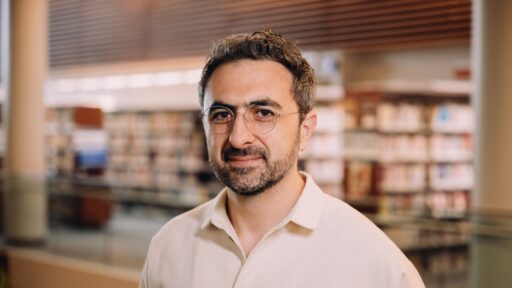
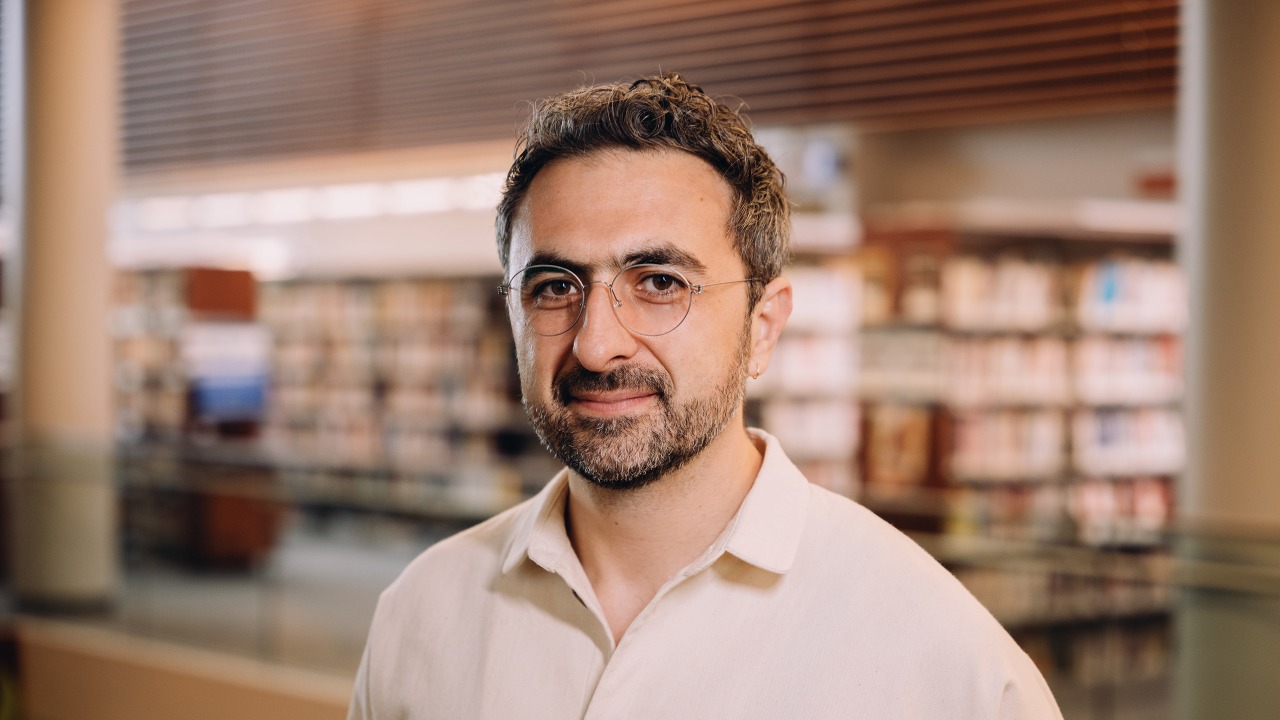

Microsoft AI CEO Mustafa Suleyman recently used a stark phrase in a direct message to companies building artificial intelligence, warning, “I worry we are…” as he described the trajectory of the sector’s rapid development. His unfinished sentence captured a sense of unease about how quickly advanced systems are being deployed relative to the safeguards around them. By voicing that concern publicly, he signaled that the race to scale AI is now inseparable from a debate over risk, responsibility, and long-term consequences.
CEO’s Background and Role
Mustafa Suleyman’s appointment as Microsoft AI CEO marked a significant moment for the company’s strategy, because he arrived with a reputation shaped by his leadership at DeepMind and Inflection AI. At DeepMind, he was a co-founder who helped steer research on reinforcement learning and large-scale models while also becoming one of the most visible advocates for AI ethics and governance. His later role at Inflection AI, where he focused on conversational systems and user-centric assistants, reinforced his profile as an executive who pairs technical ambition with a sustained focus on safety and social impact.
Inside Microsoft, his position gives him direct influence over how AI is integrated across Azure, Copilot, and other core products that sit at the center of the company’s cloud and productivity businesses. The company has framed his mandate as building a coherent AI stack that runs from infrastructure to consumer-facing tools, while also embedding safety reviews and policy considerations into that stack. Under his leadership, Microsoft has highlighted investments in safe AI development as a corporate priority, treating responsible deployment as a requirement for long-term growth rather than a public-relations add-on.
The Expressed Concerns
In his recent remarks, Suleyman addressed “all the companies working on AI” and said, “I worry we are…” in a way that left the sentence hanging but made the warning unmistakable, according to reporting on his comments. The incomplete phrasing underscored that his concern is not limited to a single technical failure or product, but to a broader pattern in how the industry is moving. By choosing to speak to all AI companies rather than only Microsoft’s own teams, he effectively framed the issue as a shared responsibility that spans rivals, partners, and startups alike.
Although he did not spell out the rest of the sentence, the context of his career and current role points to implied risks that include ethical dilemmas, safety oversights, and the possibility that deployment is outpacing governance. From his vantage point as a key industry voice, the worry is that powerful models are being embedded into critical workflows, from software development to customer service, without fully understanding their failure modes or societal effects. That shift from unqualified optimism to a more cautious tone marks a notable evolution in Microsoft’s public AI narrative, signaling to regulators, customers, and developers that speed alone is no longer the dominant metric of success.
Industry Reactions and Implications
Suleyman’s comments land in an ecosystem where major AI players such as OpenAI and Google are already grappling with how to balance competition and collaboration on safety. His decision to speak in sweeping terms about “all the companies working on AI” invites those firms to treat safety as a pre-competitive space, where sharing best practices on evaluation, red-teaming, and incident reporting could reduce systemic risk. At the same time, his warning implicitly challenges rivals that have emphasized rapid feature launches to show how their internal safeguards match the scale of their ambitions.
For regulators and investors, the implications are immediate, because a senior Microsoft executive publicly expressing worry about the industry’s direction strengthens the case for standardized guidelines and oversight. Policymakers who are drafting AI rules can point to his remarks as evidence that even leading engineers and executives see gaps in current practices, which may accelerate work on audit requirements, liability frameworks, and transparency obligations. Investors, meanwhile, must weigh the prospect that companies which ignore such warnings could face higher regulatory risk, reputational damage, or costly retrofits if future rules force them to rebuild systems that were deployed without sufficient safeguards.
Future Outlook for AI Development
Looking ahead, Suleyman’s warning is likely to shape Microsoft’s AI roadmap by pushing safety and ethics further into the core of product planning. That could mean more rigorous pre-release testing for Azure-hosted models, expanded guardrails in Copilot features that interact with sensitive data, and clearer documentation for enterprise customers about how systems behave under edge cases. If Microsoft aligns its commercial incentives with these priorities, it may set de facto standards that smaller companies and open-source projects feel pressure to match, especially when selling into regulated sectors such as finance, healthcare, and critical infrastructure.
For startups and mid-sized firms, his stance also creates an opening to differentiate themselves by aligning with a cautious, responsible approach rather than purely chasing scale. Companies that can demonstrate robust safety practices, transparent data use, and responsive governance may find it easier to partner with Microsoft’s ecosystem or to reassure clients who are wary of opaque AI services. As global adoption accelerates, Suleyman’s “I worry we are…” remark could be remembered as a pivot point where leading figures in the field began to prioritize durable, trustworthy innovation over unchecked progress, reshaping expectations for what it means to build and deploy advanced AI systems.