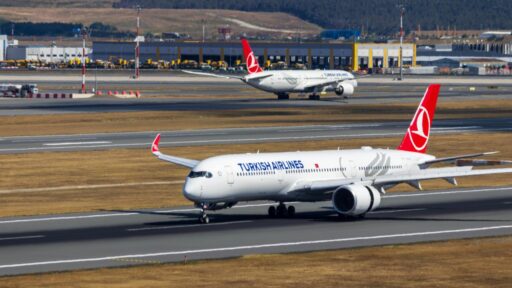
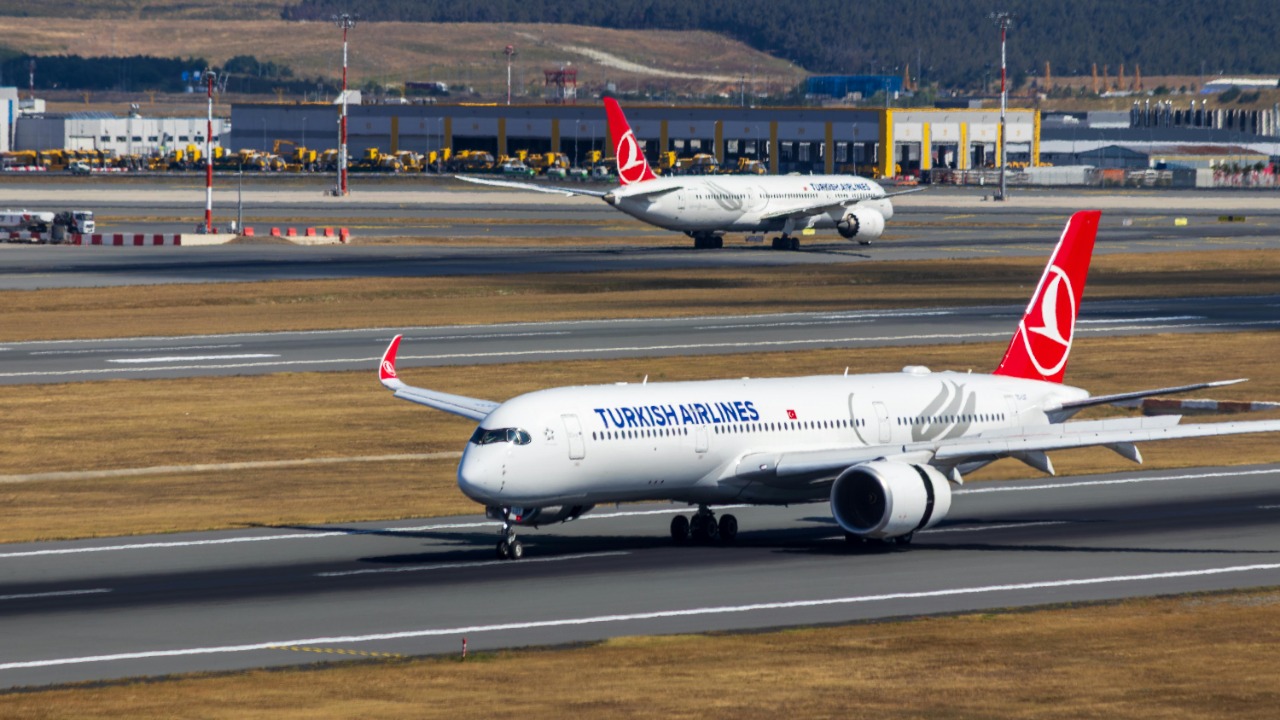

Turkish Airlines has announced a major $2.3 billion investment aimed at strengthening its ground infrastructure to support its growing global operations. The initiative underscores the carrier’s commitment to enhancing efficiency at key hubs, particularly at Istanbul Airport, as it expands its fleet and route network. The investment represents a significant step forward in modernizing facilities that handle millions of passengers annually.
Announcement Details
In its official statement, Turkish Airlines confirmed a planned $2.3 billion investment in strengthening ground infrastructure, describing the program as a core pillar of its next phase of growth. The carrier framed the move as a response to rising passenger numbers and denser flight schedules at its primary bases, with Istanbul Airport singled out as the central focus. By directing such a large sum into ground handling capabilities rather than additional aircraft, the airline is signaling that operational robustness on the ground is now as strategically important as network expansion in the air.
According to the announcement, the initiative targets a broad set of ground functions, including baggage systems, passenger processing, and maintenance infrastructure, all of which are critical to keeping aircraft moving on time. The airline highlighted that these upgrades are intended to support millions of passengers who pass through its hubs each year, reducing bottlenecks that can ripple across its global schedule. I see this as a notable shift from earlier phases of growth that prioritized new routes and fleet additions, toward a model where infrastructure resilience and reliability are treated as competitive differentiators.
Strategic Objectives
The investment is explicitly aimed at strengthening ground infrastructure at primary bases, including Istanbul, to reduce aircraft turnaround times and increase gate productivity. Turkish Airlines has linked the program to its broader ambition of consolidating Istanbul Airport as a leading global transfer hub, where shorter ground times can translate into tighter connections and more attractive itineraries for international travelers. By focusing on the mechanics of how quickly aircraft can be serviced, cleaned, refueled, and reloaded, the airline is targeting one of the most direct levers for improving on-time performance and network flexibility.
Key focus areas within the $2.3 billion package include upgrading cargo facilities and ground support equipment so that the airline can handle higher traffic volumes without sacrificing reliability. Enhancements to cargo handling are particularly important for a carrier that has leaned on freight revenues during volatile passenger demand cycles, while modern ground support equipment can reduce delays linked to maintenance or safety checks. Compared to previous updates, this commitment accelerates Turkish Airlines’ plans for sustainable growth in the post-pandemic recovery period, aligning physical infrastructure with the scale of its fleet and route ambitions rather than allowing ground capacity to lag behind.
Stakeholder Impacts
For airlines and passengers using Turkish Airlines’ hubs, the most immediate impact of the investment is expected to be faster and more predictable ground operations, which can improve on-time performance and reduce missed connections. More efficient baggage systems and passenger processing tools should help cut waiting times at check-in, security, and transfer points, particularly during peak travel waves at Istanbul Airport. I view these changes as especially significant for connecting passengers, who are highly sensitive to delays that can cascade across multi-leg itineraries and influence their choice of hub.
The investment also carries clear implications for local economies around Istanbul Airport, where infrastructure strengthening is likely to generate new jobs in construction, engineering, IT, and ongoing ground operations. Turkish Airlines has indicated that the scale of the program will require close coordination with partners in the aviation supply chain, including ground handlers and maintenance providers, creating opportunities for expanded contracts and technology partnerships. As these projects roll out, I expect local suppliers and service companies to benefit from long-term demand tied directly to the airline’s growth trajectory, reinforcing Istanbul’s role as a regional aviation and logistics center.
Implementation Timeline
Initial phases of the $2.3 billion investment are set to begin in the coming fiscal year, with Turkish Airlines prioritizing high-impact areas such as terminal-related upgrades and core ground systems. The airline has indicated that early work will concentrate on functions that directly affect aircraft turnaround and passenger flow, so that operational benefits can be realized relatively quickly. By sequencing the program in this way, Turkish Airlines is attempting to capture early gains in punctuality and capacity while longer-term projects, such as more complex maintenance infrastructure, move through planning and construction.
Ongoing monitoring will track progress against defined milestones, and the airline has left room to adjust specific projects based on operational data and evolving demand patterns. This implementation timeline builds on recent fleet announcements and route expansions, signaling a holistic approach in which aircraft orders, network planning, and ground infrastructure are managed as a single strategic portfolio rather than as separate tracks. From my perspective, that alignment is crucial: without synchronized investment on the ground, even the most ambitious fleet and network plans can be undermined by congestion, delays, and inconsistent passenger experiences.