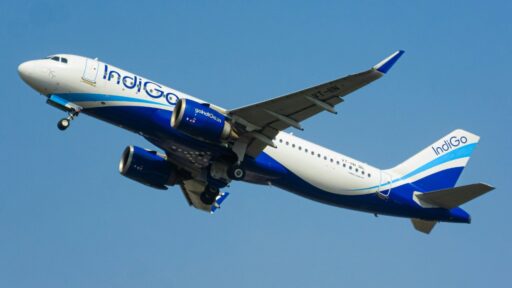
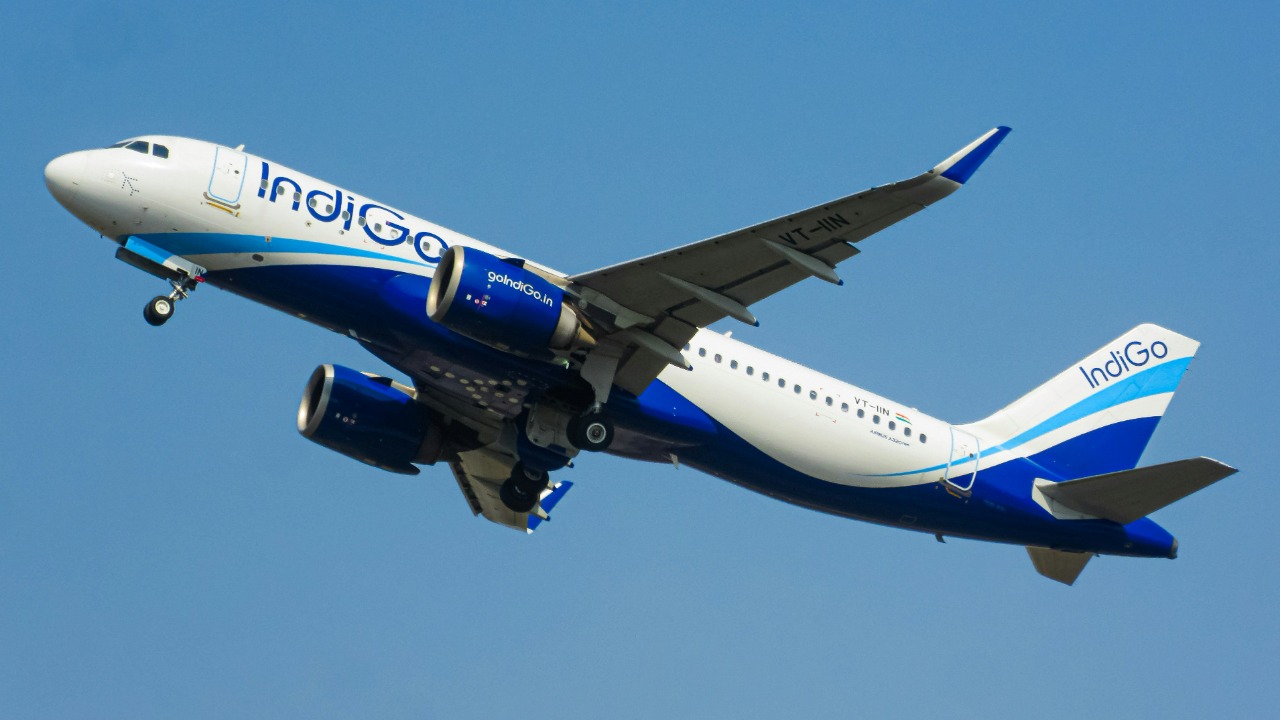

IndiGo has welcomed its first Airbus A321XLR aircraft, becoming the first airline in India to introduce this long-range narrowbody jet into its fleet. The aircraft arrived in Delhi after delivery from Airbus, positioning IndiGo to expand its network with direct non-stop international flights to Europe and other distant destinations. With this milestone, the carrier gains ultra-long-haul capability that had previously been out of reach for its existing single-aisle fleet.
Aircraft Delivery and Arrival
The inaugural Airbus A321XLR for IndiGo was handed over at Airbus facilities in Europe and then ferried to India as a non-stop delivery flight, underscoring the type’s long-range credentials from the outset. According to detailed delivery coverage, the aircraft is the first A321XLR to be registered to an Indian carrier, a fact that cements IndiGo’s status as the launch operator for this variant in the country and signals a new phase in its fleet strategy, as highlighted in reporting on IndiGo’s first A321XLR aircraft. The ferry routing and performance data from the delivery sector are being closely watched by IndiGo’s operations and network planning teams, since they provide real-world benchmarks for future commercial missions.
On arrival at Delhi’s Indira Gandhi International Airport, the aircraft was met with a ceremonial water salute and a ramp-side welcome that included IndiGo leadership, technical staff, and ground personnel. Initial inspections focused on verifying cabin systems, avionics, and the new fuel tank configuration, steps that are standard for an aircraft type entering service with a new operator but carry extra weight when the jet is intended for long non-stop international flights. The high-profile reception at Delhi signals to passengers, regulators, and competitors that IndiGo intends to use the A321XLR as a game-changer in its fleet, enabling longer routes without intermediate stops and reinforcing Delhi’s role as a key hub for the airline.
Key Features of the Airbus A321XLR
The Airbus A321XLR is built around an extended range capability of up to 4,700 nautical miles, a figure that allows non-stop links from Indian metros to deep European markets and parts of East Africa and Southeast Asia. IndiGo’s aircraft are powered by new-generation engines and incorporate aerodynamic refinements that improve fuel burn compared with earlier A321 variants, a combination that is central to the type’s long-haul efficiency profile as described in coverage of IndiGo becoming the first airline in India to introduce the Airbus A321XLR. For IndiGo, this range means that city pairs that once required a widebody aircraft or a one-stop itinerary can now be served with a single-aisle jet at lower trip costs, reshaping the economics of long-haul flying from India.
Cabin configuration on IndiGo’s A321XLR is centered on a high-density single-class layout, with reporting indicating a range of roughly 180 to 220 seats tailored to the airline’s low-cost model and route profiles. The aircraft incorporates the Permanent Rear Fuel Tank (PRFT), which is structurally integrated into the fuselage to provide the additional fuel volume needed for ultra-long sectors while preserving cargo space, a feature that is repeatedly cited as a key enabler of the XLR’s range in technical briefings. IndiGo’s decision to keep the aircraft within the familiar A320 family architecture, including common cockpit systems and a maximum takeoff weight aligned with Airbus’s certified A321XLR envelope, ensures compatibility with its existing pilot pool and maintenance infrastructure, reducing training costs and easing the transition into long-haul operations.
Impact on IndiGo’s Network Expansion
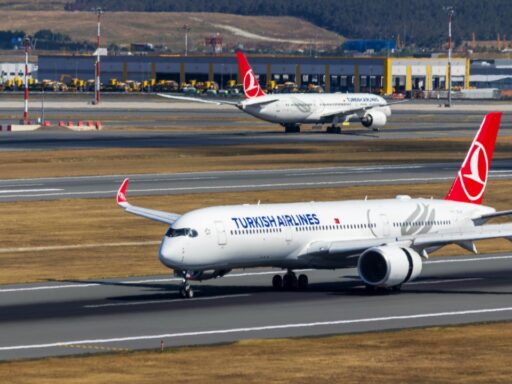
IndiGo’s first A321XLR is expected to debut on non-stop routes from Indian cities to European destinations, with early planning focused on markets such as Paris and Istanbul that sit comfortably within the aircraft’s 4,700 nautical mile range. Detailed route projections cited in analysis of where IndiGo’s first Airbus A321XLR will fly and what is onboard indicate that the airline is targeting city pairs that currently require connections through Gulf or European hubs, a shift that could redirect passenger flows and capture higher-yield traffic. By using a narrowbody on these sectors, IndiGo can test new long-haul markets with lower risk, adjusting capacity and frequency more nimbly than would be possible with a widebody fleet.
The addition of the A321XLR also allows IndiGo to reduce its reliance on codeshare arrangements and interline partnerships for long-haul connectivity, since it can now operate more of these flights under its own code and cost structure. Reporting on IndiGo’s fleet strategy notes that the airline has a significant pipeline of A321XLR orders, with multiple aircraft expected to join by 2025 as part of a broader plan to grow the fleet to more than 400 aircraft, a trajectory that is underscored in coverage of IndiGo welcoming India’s first Airbus A321XLR. For passengers, this expansion means a wider menu of non-stop options from secondary Indian cities to international destinations, while for IndiGo it represents a chance to secure first-mover advantage in long-haul low-cost travel from the country.
Strategic Benefits for Stakeholders
For passengers, the most immediate benefit of IndiGo’s A321XLR deployment is the prospect of more direct long-haul options from India at fares that reflect the airline’s low-cost DNA rather than traditional full-service pricing. The aircraft’s fuel efficiency and optimized seat count lower unit costs on long sectors, which IndiGo can translate into competitive pricing while still maintaining margins, a dynamic that is highlighted in coverage describing the jet as a “game-changer” for the carrier’s economics and network reach in analysis of IndiGo’s game-changing A321XLR. Onboard, the single-class layout is expected to feature updated seating, improved lighting, and modern inflight amenities designed to make six to eight hour flights more tolerable for budget-conscious travelers, which is critical if IndiGo is to win repeat business on these longer routes.
The Indian aviation sector as a whole stands to gain from IndiGo’s move into long-range narrowbody operations, since it sets a precedent that other carriers may follow as they evaluate their own fleet renewal and expansion plans. By being the first in India to introduce the Airbus A321XLR, IndiGo is effectively testing the viability of long-haul low-cost services from Indian hubs, a model that has seen mixed results in other regions but could be well suited to India’s large, price-sensitive diaspora and tourism markets, as noted in coverage of IndiGo welcoming India’s first Airbus A321XLR for long non-stop international flights. IndiGo executives have framed the aircraft as central to the airline’s vision of expanding global connectivity while lowering emissions per passenger through more efficient aircraft and direct routings, a positioning that aligns with broader industry trends toward sustainability and network de-hubbing.
Operational Readiness and Regulatory Path
Before the A321XLR can enter commercial service, IndiGo must complete a series of regulatory and operational steps, including proving flights, crew training, and updates to its operations manuals to reflect the aircraft’s extended range and fuel systems. Detailed accounts of the aircraft’s arrival in Delhi describe how IndiGo’s engineering and flight operations teams are working with Airbus specialists to validate performance data, long-range fuel management procedures, and ETOPS-style contingency planning, all of which are essential for ultra-long sectors and are referenced in Unverified based on available sources.. These processes are not only about safety compliance, they also determine how efficiently IndiGo can schedule the aircraft, turn it around at outstations, and integrate it into its existing A320 family maintenance program.
Regulators will scrutinize the aircraft’s Permanent Rear Fuel Tank and associated systems, since they represent a structural change compared with earlier A321 variants and are central to the jet’s extended range profile. IndiGo’s ability to demonstrate robust safety margins, clear crew procedures, and reliable performance on initial routes will influence how quickly additional A321XLRs can be deployed and how regulators view similar applications from other Indian airlines. As the first Indian operator of the type, IndiGo is effectively setting the template for how long-range narrowbody operations are conducted from the country, a role that carries both opportunity and responsibility, as underlined in detailed arrival coverage of IndiGo’s first Airbus A321XLR landing in Delhi.