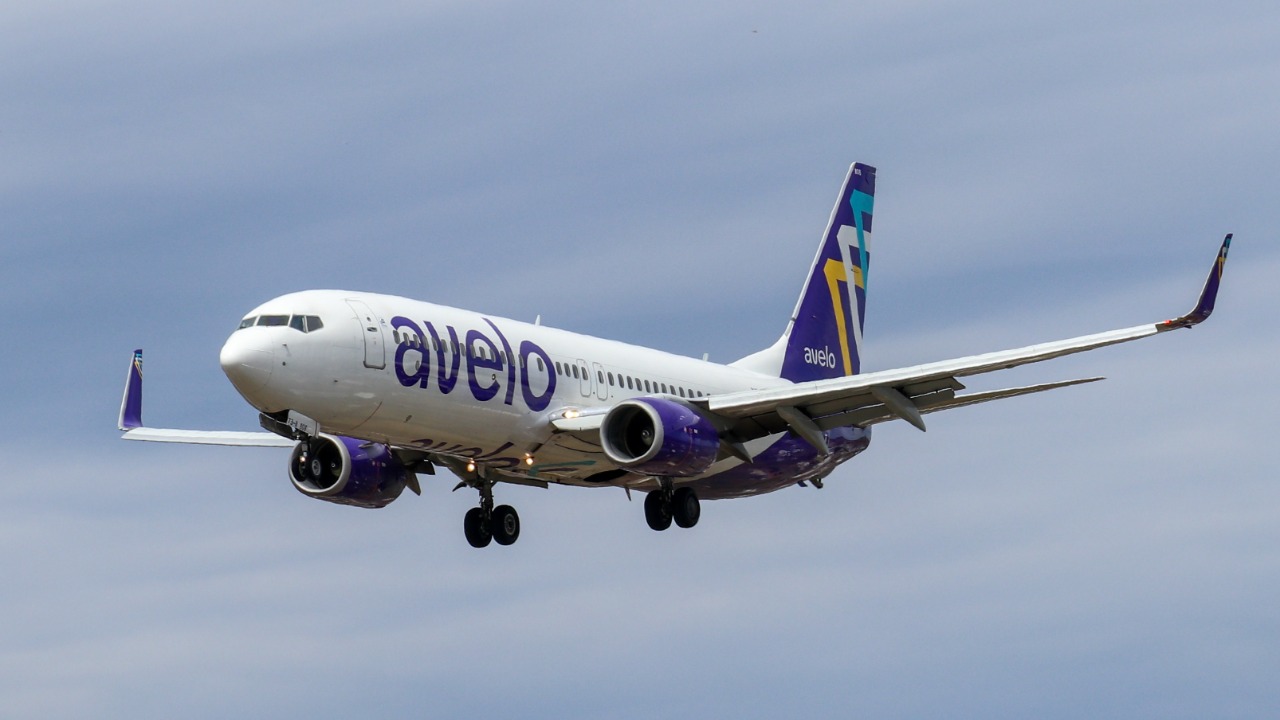

Avelo Airlines, a low-cost carrier that had become a major contractor for U.S. Immigration and Customs Enforcement deportation flights, is halting those operations effective immediately. The company says the specialized charters are no longer viable because of high costs and operational complexity, even as it undertakes a broader restructuring that includes closing three U.S. bases and cutting commercial flights and jobs. The decision will be felt across the deportation network, particularly in Las Vegas, which has served as a frequent stopover for removal flights that relied on Avelo’s capacity.
Avelo’s Announcement of Ending Deportation Flights
Avelo Airlines has formally notified U.S. Immigration and Customs Enforcement that it will no longer operate deportation flights, ending all ICE removal charters as of its announcement on January 7, 2026, according to reporting that detailed how Avelo said it will not operate deportation flights for ICE anymore. The move represents an immediate break from a line of business that had made the carrier one of the top providers of charter capacity for ICE, particularly on routes consolidating detainees from regional facilities to larger hubs. For immigration authorities, the loss of a contractor that had built up experience with these missions introduces new uncertainty into an already complex logistics chain.
Earlier operations had positioned Avelo as a key contractor in the deportation system, with its aircraft and crews regularly assigned to removal flights that required tight coordination with detention centers and federal officers, as described in coverage noting that Avelo Airlines ends ICE deportation flights. By choosing to exit the segment entirely rather than scale back gradually, the airline is signaling that the economics and operational demands of these charters no longer align with its strategy as a low-cost carrier. For ICE, which depends on reliable lift to move people between facilities and out of the country, the sudden withdrawal of a major partner raises the stakes for securing replacement capacity without disrupting scheduled removals.
Reasons Behind the Decision: Costs and Complexity
Executives at Avelo have cited escalating costs as a central reason for walking away from deportation charters, with one detailed account explaining that Avelo Airlines will end deportation flights, citing costs. These missions require dedicated aircraft time, specialized crew training, and coordination with security personnel, all of which can drive up expenses relative to standard commercial flying. When fuel prices, maintenance needs, and staffing pressures are layered on top, the margins on government charters can narrow to the point that they no longer justify the operational strain, particularly for a carrier that markets itself on low fares and lean operations.
Alongside the financial pressures, Avelo has pointed to operational complexities that are unique to deportation flights, including irregular schedules, last minute itinerary changes, and security protocols that differ from typical passenger service, as outlined in reporting that described how Avelo ends ICE deportation flights, citing cost and operational complexity. These factors can disrupt aircraft utilization plans and crew rotations, making it harder for the airline to maintain a predictable network and keep planes flying revenue generating routes. In my view, the decision reflects a calculation that the opportunity cost of tying up aircraft on complex government charters outweighs the benefits, especially at a moment when the company is trimming its broader schedule.
Broader Cutbacks at Avelo Airlines
The end of ICE deportation flights is unfolding alongside a wider retrenchment at Avelo, which is reducing its commercial flight schedule and shrinking its network, according to coverage that detailed how Avelo Airlines will end ICE deportation charters as it cuts commercial flights and jobs. Fewer routes and frequencies mean the airline is concentrating its resources on markets it believes can sustain consistent demand and profitability, rather than spreading aircraft across marginal or highly seasonal city pairs. For passengers in smaller communities that had come to rely on Avelo’s low fares, the pullback could translate into reduced options and potentially higher prices if competitors do not step in.
As part of the restructuring, Avelo is also closing three U.S. bases, a step that will streamline operations but reduce its physical footprint in key markets, according to reporting that explained that Avelo is ending ICE deportation flights and closing three U.S. bases. Shuttering bases typically affects local maintenance operations, crew domiciles, and airport staffing, and it can ripple through regional economies that had benefited from aviation jobs and visitor traffic. I see the combination of base closures, schedule cuts, and the end of ICE charters as a sign that Avelo is prioritizing financial stability over rapid expansion, even if that means stepping back from politically sensitive but potentially lucrative government work.
Impact on ICE Operations and Las Vegas Hub
For ICE, losing Avelo as a deportation flight provider removes a significant source of charter capacity that had been integrated into its removal planning, a shift underscored in coverage noting that Avelo, citing cost, will quit deportation flights. The agency will now need to reassign routes to other carriers or adjust schedules to accommodate different aircraft types and availability, a process that can take time given contracting rules and security requirements. Any gap in lift could slow the pace of removals or force ICE to rely more heavily on ground transfers and commercial tickets, which carry their own logistical and political challenges.
The effects are expected to be particularly visible in Las Vegas, which has been described as a common stop for deportation flights and a hub that will feel the loss of a top provider now cutting ties with ICE, according to reporting that detailed how Las Vegas is a common stop for deportation flights and a top provider is now cutting ICE ties. With Avelo stepping away, ICE will have to reconfigure routings that used McCarran International Airport as a staging point for detainees moving between facilities in the West and onward to international departures. From my perspective, the shift could alter flight patterns over the region and change how local communities intersect with the federal deportation system, even if the overall volume of removals remains driven by national enforcement priorities.