
In the era of AI-generated “slop” overwhelming social platforms, Instagram Chief Adam Mosseri is pushing for new tools designed to support authentic creators amid rising concerns over synthetic content. His emphasis on human-made posts comes as AI image generators evolve rapidly and are projected to shape which visual tools dominate by 2026. Mosseri’s stance signals a strategic shift toward prioritizing human creativity to counter a flood of low-quality AI outputs that increasingly blur the line between genuine expression and automated filler.
The Emergence of AI Slop on Social Media
The term “AI slop” has quickly become shorthand for low-effort, machine-generated content that saturates feeds with images and videos assembled in seconds rather than crafted over hours. On Instagram, this often looks like generic fantasy landscapes, uncanny portraits, or motivational quote graphics that are churned out in bulk and optimized for engagement metrics rather than originality. As generative tools have become easier to use, entire accounts can now be built around automated output that mimics the surface aesthetics of real creativity while offering little in the way of personal perspective or narrative.
That shift has triggered visible user backlash, particularly when AI posts are indistinguishable from human work and appear in recommendation feeds without clear labeling. Longtime Instagram users who once associated the platform with organic sharing of daily life now report feeds dominated by synthetic art, AI-edited selfies, and templated reels that feel disconnected from any identifiable creator. The stakes are significant for photographers, illustrators, and video makers who rely on Instagram for discovery, because every slot filled by AI slop is one less opportunity for a human creator to reach an audience or secure a commission.
Instagram’s Leadership Response
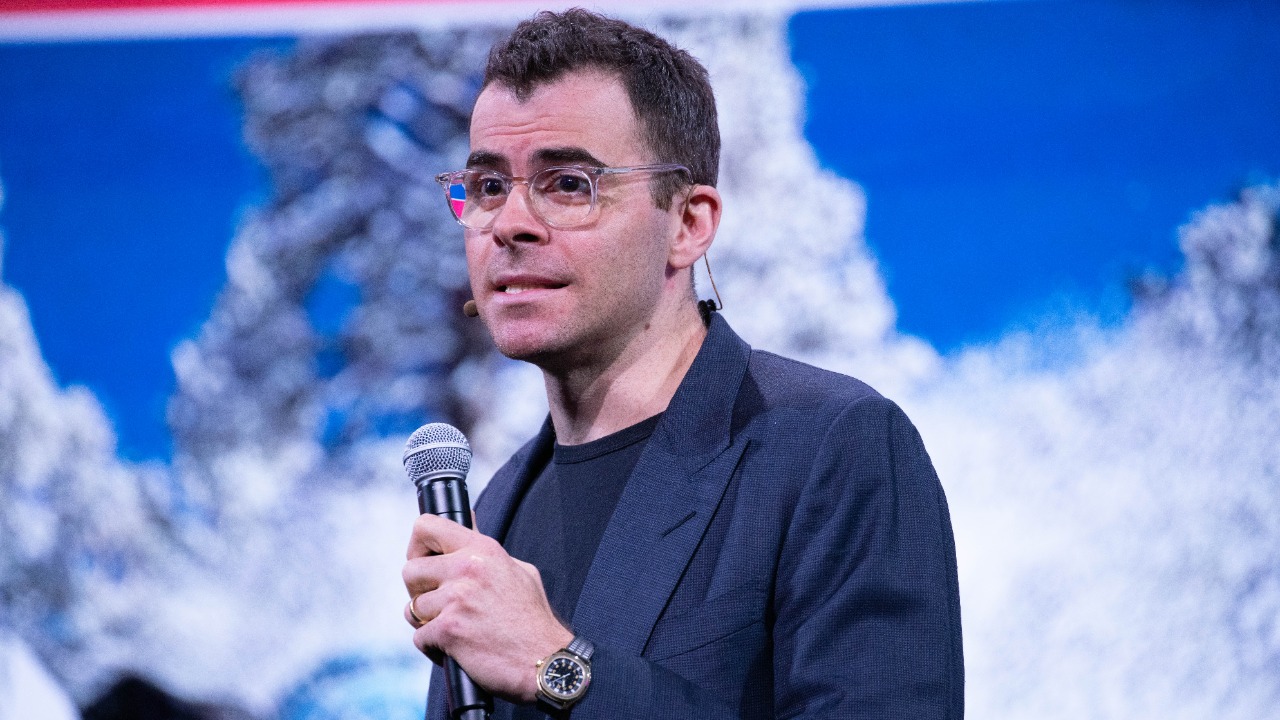
Against that backdrop, Adam Mosseri has begun publicly arguing that Instagram needs new features that explicitly amplify genuine human creators over AI alternatives. In his comments, described in detail in an analysis of how Instagram is reacting to the “AI slop era,” he frames the problem as a distribution and incentives issue rather than a purely technical glitch, and he calls for tools that “support authentic creators” instead of rewarding whoever can generate the most content the fastest. By putting his name and title behind that framing, Mosseri is signaling that the platform’s leadership sees the integrity of the creator ecosystem as a core strategic concern rather than a niche complaint.
One of the central ideas he has floated is a more robust verification and labeling system that would distinguish authentic content from synthetic media at the point of discovery. According to reporting that details how Instagram Chief Adam Mosseri is pushing for tools that support “authentic” creators, he wants features that help users understand when they are engaging with a real person’s work and when they are seeing AI-assisted or fully AI-generated output. That approach builds on earlier updates that allowed users to tag AI-generated content, but it represents a more proactive stance, because it treats authenticity as a signal that should influence ranking, recommendations, and monetization rather than as a cosmetic disclosure.
Proposed Tools for Authentic Creators
Beyond broad principles, Mosseri has begun outlining specific product directions that could tilt the playing field back toward human creators. One proposal involves enhanced analytics that would apply only to human-generated posts, giving verified creators deeper insight into how their photos, videos, and stories perform in recommendations compared with AI-heavy accounts. Reporting on how Instagram’s CEO says new tools are needed to support authentic creators in the AI slop era notes that he is also interested in AI-detection integrations that could quietly identify synthetic content and adjust how prominently it appears in feeds. If implemented, those systems would not ban AI art outright, but they would make it harder for anonymous, automated accounts to crowd out people who are sharing original work tied to their real identities.
Monetization is another area where Mosseri sees room to differentiate between authentic and synthetic output. The same reporting describes potential features that would steer revenue opportunities, such as bonus programs or branded content tools, toward creators who can demonstrate that their work is primarily human-made. In practice, that could mean eligibility rules for revenue-sharing programs that require a certain percentage of posts to be verified as non-AI, or preferential access to new shopping and subscription tools for creators who build audiences around their own photography, illustration, or commentary. For working artists and influencers, those choices would directly affect income, while for Instagram, they would help ensure that the creator economy it promotes is not hollowed out by automated content farms.
Looking Ahead to AI Image Generator Advancements
Any attempt to protect authenticity on Instagram has to account for how quickly AI image generators are improving. A detailed guide to the best AI image generators for 2026 highlights tools that already produce high-fidelity outputs, from photorealistic portraits to complex cinematic scenes, with minimal user input. These systems are being trained on ever-larger datasets and are adding features like style transfer, inpainting, and text-to-video, which make it trivial to generate content tailored to trending aesthetics or niche fandoms. As those capabilities expand, the volume and believability of AI-generated posts on Instagram are likely to increase, raising the bar for what counts as visually impressive while making it harder for casual viewers to spot what is synthetic.
That trajectory could easily exacerbate the AI slop problem if platforms do not adjust their policies and tools. High-quality generators lower the cost of producing endless variations of the same viral format, which encourages spammy behavior and undermines the sense that Instagram is a window into real people’s lives. Mosseri’s push for authenticity-supporting features is, in that context, a preemptive attempt to keep the platform from becoming a generic feed of AI composites. I see the stakes extending beyond aesthetics: if users lose trust that what they see on Instagram reflects actual experiences and skills, the platform’s value for news, culture, and commerce will erode, and creators who built careers there will be forced to chase audiences on smaller, more curated networks.
Balancing Innovation With Authenticity
Even as Mosseri advocates for tools that privilege human-made content, he is not calling for a retreat from AI altogether. The reporting on his comments makes clear that he views AI as a useful assistive technology for creators, particularly for tasks like editing, captioning, or brainstorming visual concepts. The challenge, as I interpret it, is to design systems where AI augments a person’s voice rather than replacing it, so that the end result still feels like the work of a specific photographer, designer, or storyteller. That balance will likely require nuanced policies that distinguish between creators who use AI as one tool in a broader process and accounts that rely on fully automated pipelines to flood the platform with generic imagery.
Regulatory and industry trends are moving in the same direction, with policymakers and standards bodies exploring requirements for labeling synthetic media and for protecting the rights of artists whose work is used to train AI models. Instagram’s internal tools, such as AI detection and authenticity-focused ranking, will intersect with those external pressures, shaping how transparent the platform must be about what users see in their feeds. If Mosseri follows through on his stated priorities, Instagram could become an early test case for whether a large social network can embrace advanced AI while still giving human creators a structural advantage. The outcome will matter not only for influencers and artists, but also for everyday users deciding whether their time on the app feels like a connection to real people or just another scroll through algorithmic slop.