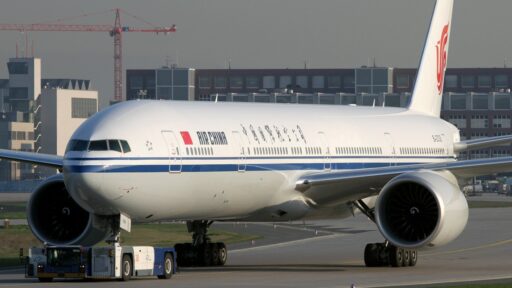
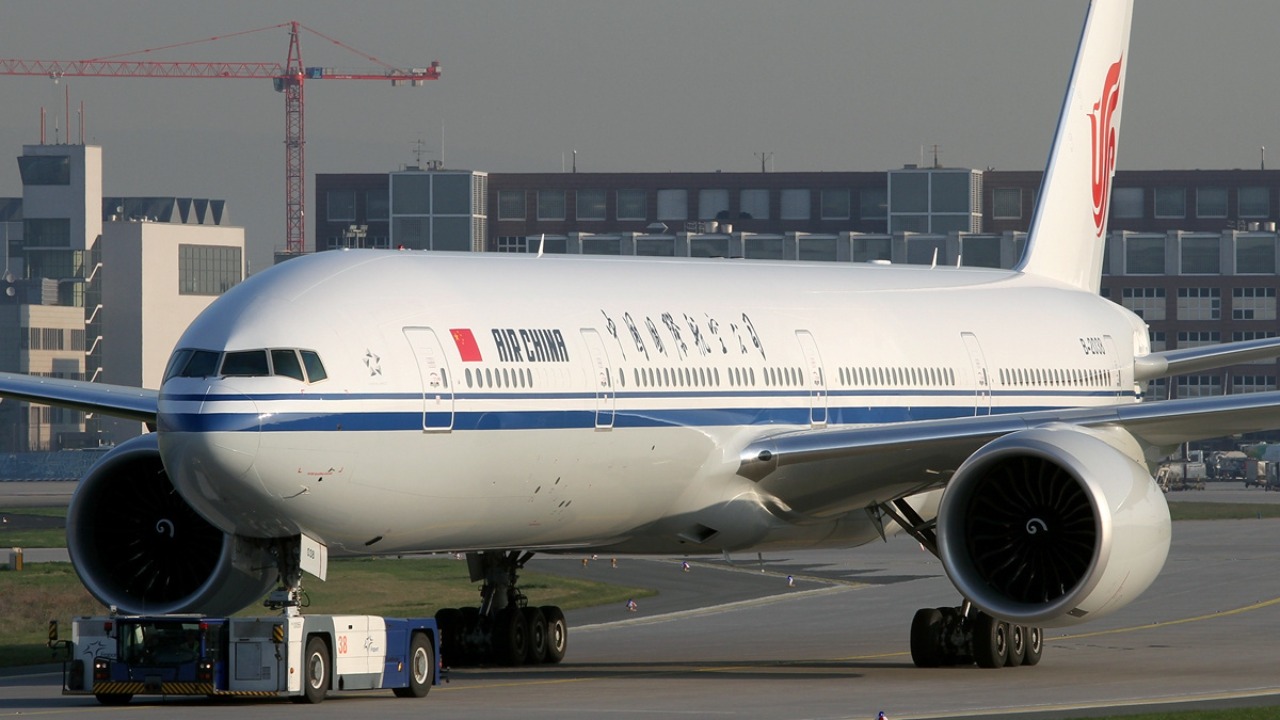

Air China has agreed to purchase 60 Airbus A320neo jets in a deal valued at $9.5 billion, marking a significant expansion of the Chinese flag carrier’s single-aisle fleet. Announced on December 30, 2025, the order underscores sustained demand for fuel-efficient narrowbody aircraft in Asia’s fast-growing aviation market. The commitment also signals Air China’s intent to modernize operations and sharpen its competitive edge against regional rivals that are racing to refresh their own fleets.
Deal Announcement and Specifications
Air China’s board approved a firm commitment to acquire exactly 60 A320neo aircraft from Airbus, a move that cements one of the largest recent single-aisle orders by a Chinese airline. According to the agreement, the jets are valued at $9.5 billion based on Airbus list prices, underscoring the scale of capital Air China is prepared to deploy to secure next-generation capacity. The A320neo family is marketed for its lower fuel burn and reduced emissions compared with earlier A320 models, and the size of this order indicates that Air China is betting heavily on those efficiency gains to support both domestic and regional growth.
The carrier disclosed that the deal was reached and announced on December 30, 2025, positioning it as a late-year milestone in aviation trade between China and Europe and as a headline addition to Airbus’s order book. The timing, highlighted in reporting by Reuters on Air China’s plan to buy 60 Airbus planes worth $9.5 billion, underscores how both sides are using the transaction to reinforce commercial ties at a moment when airlines are rebuilding capacity and governments are watching export flows closely. For stakeholders across the supply chain, from engine makers to lessors, the precise figure of 60 aircraft and the $9.5 billion valuation provide a clear signal of long-term demand visibility in the Chinese narrowbody segment.
Air China’s Strategic Fleet Expansion
The new order fits squarely into Air China’s broader strategy to modernize its fleet by replacing older, less efficient aircraft with A320neo jets that promise lower operating costs per seat. Reporting on the agreement notes that the carrier is seeking to accelerate the retirement of aging narrowbody models, using the A320neo’s fuel savings and extended range to improve profitability on dense domestic routes and high-demand regional corridors. By locking in 60 aircraft at once, Air China is effectively front-loading a modernization cycle that had previously been paced more gradually, signaling to competitors and regulators that it intends to stay at the forefront of fleet technology.
As China’s flag carrier, Air China plays a central role in connecting major hubs such as Beijing, Shanghai, and Chengdu with international destinations across Asia and beyond, and the A320neo order is expected to enhance both domestic and international route capacity. Coverage of the deal by Yenisafak on Air China’s purchase of 60 Airbus A320neo jets in a $9.5 billion deal emphasizes that the aircraft will support growth on routes where demand is rebounding fastest, while also giving the airline flexibility to open new city pairs. I see this as an acceleration compared with earlier fleet plans, because committing to 60 A320neo jets at once compresses what might otherwise have been a staggered procurement into a single, strategically timed move that can reshape Air China’s capacity profile over the next several years.
Market Reaction in Shanghai
The announcement of the $9.5 billion Airbus deal triggered an immediate reaction in Chinese equity markets, with Air China’s stock jumping as investors digested the scale and strategic intent of the order. A detailed look at trading in Shanghai, described in an analysis of how Air China stock jumps on the $9.5 billion Airbus jet deal and what Shanghai investors watch next, shows that market participants interpreted the purchase as a vote of confidence in long-term travel demand and in the airline’s ability to deploy the new capacity profitably. The share price reaction reflects expectations that more efficient aircraft will eventually translate into better margins, even if the near-term financial impact is dominated by capital expenditure.
Investors in Shanghai are now closely monitoring several variables, including the delivery schedule for the 60 A320neo jets, the pace at which Air China can integrate them into its network, and any adjustments to the carrier’s financing strategy. Analysts cited in the same reporting point to potential short-term volatility, since a $9.5 billion commitment will affect leverage ratios and could influence future dividend policies or debt issuance. I view the market’s focus on these balance sheet implications as a sign that, while the strategic logic of the order is broadly accepted, shareholders will be scrutinizing execution risks, from possible delivery delays to the timing of capacity deployment on key routes.
Implications for Airbus and Global Supply
For Airbus, securing a 60 aircraft A320neo order from Air China significantly strengthens the manufacturer’s already substantial backlog for its best-selling narrowbody family. The deal, described in coverage of how Air China will buy 60 Airbus planes for $9.5 billion, reinforces the European planemaker’s position as a key supplier to Chinese airlines at a time when global production slots for single-aisle jets are heavily booked. By adding a high-profile Chinese flag carrier to its list of recent A320neo customers, Airbus gains additional leverage in its long-running competition with Boeing for market share in Asia’s largest aviation market.
The timing of the agreement in late 2025 also carries broader economic significance, since it provides a visible boost to European aerospace exports during a period of gradual recovery in cross-border trade. Reporting by Yenisafak on the $9.5 billion A320neo deal notes that the order will support production lines and associated jobs across Airbus’s European industrial footprint, from final assembly to component suppliers. In my assessment, the transaction illustrates how large aircraft orders can function as both commercial and diplomatic instruments, deepening economic ties between China and Europe while shaping the global supply landscape for fuel-efficient jets at a moment when airlines worldwide are competing for limited delivery slots.