
Hong Kong Airlines and Ocean Park have launched a panda-themed Airbus A320 aircraft as the centerpiece of a three-year strategic partnership aimed at promoting Hong Kong tourism and wildlife conservation across Asia. The initiative blends aviation with conservation messaging, using a specially designed livery to captivate travelers and reinforce Hong Kong’s status as a premier travel destination. By turning a commercial jet into a mobile showcase for giant pandas and Hong Kong attractions, the partners are betting on a bold strategy to lift visitor numbers and deepen regional engagement with conservation.
Partnership Announcement
Hong Kong Airlines and Ocean Park have formally announced a three-year strategic partnership that aligns the carrier’s regional network with the park’s role as one of Hong Kong’s flagship attractions. According to the official partnership statement, the agreement is structured around joint efforts to promote Hong Kong tourism through innovative initiatives, with the panda-themed Airbus A320 designated as the lead element in a broader program of co-branded campaigns and experiences, as detailed in the three-year strategic partnership announcement. For stakeholders in Hong Kong’s visitor economy, this formal, multi-year commitment signals that both organizations are planning sustained, rather than one-off, efforts to rebuild and grow regional tourism flows.
The partnership positions the panda-themed aircraft as a high-visibility symbol of a wider collaboration that aims to enhance travel and wildlife conservation across Asia. Reporting on the launch notes that Hong Kong Airlines is integrating Ocean Park branding into its customer touchpoints, while the park is aligning its marketing to highlight the airline’s routes and services, a coordinated approach described in coverage of how Hong Kong Airlines partners with Ocean Park for a specially designed A320. By tying together air connectivity and destination storytelling, the two partners are attempting to create a more seamless funnel from flight booking to park visit, which could strengthen Hong Kong’s competitive position against other Asian hubs that are also courting post-pandemic travelers.
Aircraft Design and Launch
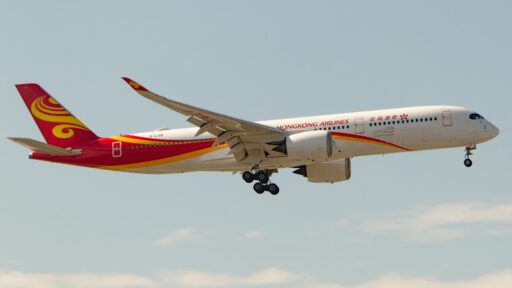
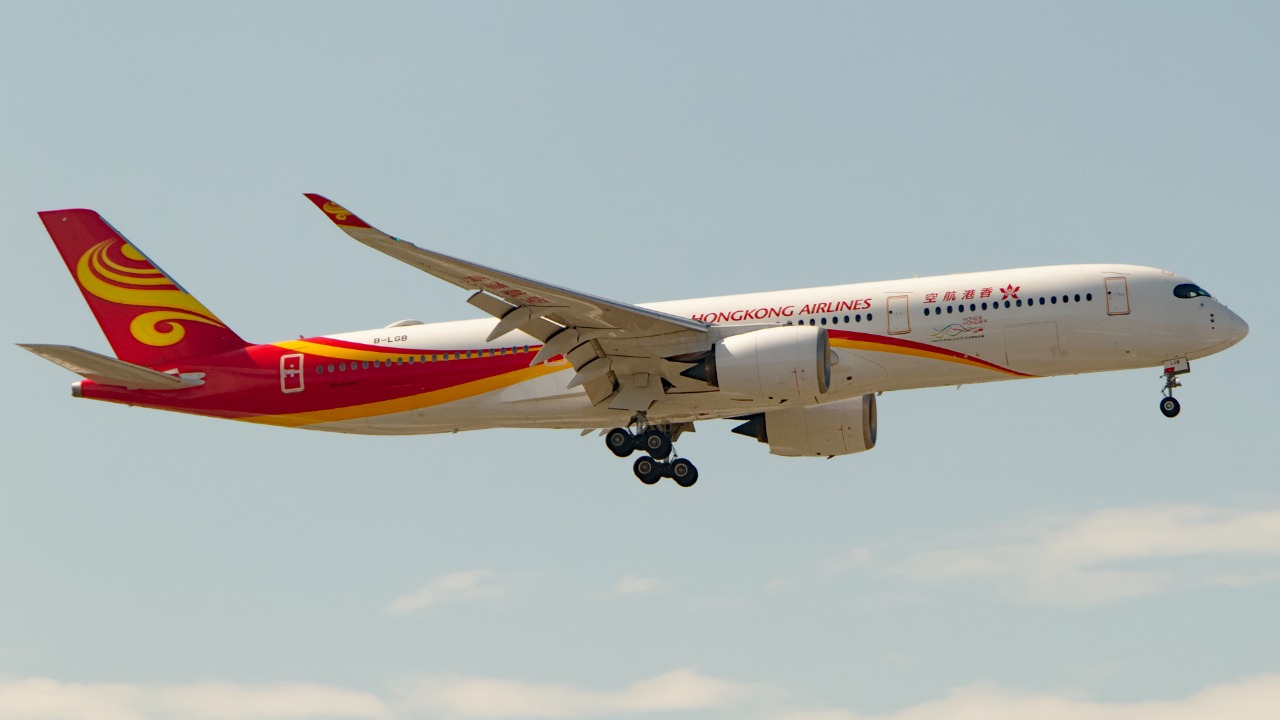
The centerpiece of the collaboration is a panda-themed Airbus A320 featuring a specially designed livery inspired by Ocean Park’s giant pandas, which have long been among the park’s signature attractions. Visuals and descriptions in launch coverage highlight a fuselage dominated by playful panda imagery and conservation motifs, with the aircraft intended to draw attention both in the air and on the ground, a concept underscored in reports that Hong Kong Airlines and Ocean Park launch a panda-themed A320 to boost tourism. For aviation branding, the stakes are clear: a distinctive livery can turn a routine narrowbody into a moving billboard that sparks social media sharing, strengthens brand recall, and nudges undecided travelers toward Hong Kong when comparing regional options.
Hong Kong Airlines has framed the panda-themed A320 as a game-changing element in the partnership, emphasizing its visual impact and its role in elevating the travel experience. Detailed coverage of the rollout notes that the design integrates elements of panda conservation and Hong Kong’s wildlife heritage into the aircraft exterior and associated marketing materials, a strategy described as a “powerful collaboration” in reports on how Hong Kong Airlines unveils a game-changing panda-themed aircraft. By embedding conservation themes directly into the aircraft’s identity, the airline is not only differentiating its product but also signaling to environmentally conscious travelers that Hong Kong’s tourism revival is being linked to broader sustainability narratives.
Tourism Boost Strategy
At the core of the initiative is a tourism strategy that uses the panda-themed aircraft to attract visitors from across Asia and position Hong Kong as a must-visit hub. Reporting on the collaboration explains that Hong Kong Airlines intends to deploy the A320 on key regional routes where leisure demand is recovering, using the aircraft as a visual hook in advertising and fare promotions that highlight Hong Kong as the gateway to Ocean Park’s panda exhibits and other attractions, a tactic outlined in coverage of how Hong Kong Airlines partners with Ocean Park in a bold new strategy. For regional tourism boards and travel agents, this kind of aircraft-led campaign provides a concrete, shareable asset that can be woven into package tours, digital ads, and influencer content, potentially amplifying Hong Kong’s visibility in crowded travel markets.
Ocean Park stands to benefit from heightened brand exposure as the panda-themed jet circulates through airports across the airline’s network, effectively turning each arrival and departure into a rolling advertisement for the park. Coverage of the launch notes that the collaboration is designed to drive more tourists directly to Ocean Park’s panda exhibits and related attractions in Hong Kong, with joint ticketing offers and co-branded experiences expected to feature prominently in upcoming campaigns, as described in reports that Hong Kong Airlines and Ocean Park launch a panda-themed aeroplane. For the broader visitor economy, increased footfall at a flagship attraction like Ocean Park can have spillover effects on hotels, restaurants, and retail, reinforcing the city’s efforts to restore pre-pandemic levels of tourism spending.
Conservation and Broader Impact
Beyond tourism metrics, the collaboration is explicitly framed as a contribution to wildlife conservation, with the panda-themed aircraft serving as a flying ambassador for protecting giant pandas and promoting environmental awareness. Reporting on the partnership stresses that the livery and associated messaging are intended to remind passengers of the importance of habitat protection and species conservation, aligning the airline’s brand with Ocean Park’s long-standing educational mission, a linkage highlighted in coverage of how panda power in the sky is being used to promote Hong Kong tourism. For conservation stakeholders, this approach suggests a model in which commercial aviation, often scrutinized for its environmental footprint, can also be a platform for awareness and fundraising when paired with credible conservation partners.
The three-year commitment is also being watched as a potential template for integrated travel and conservation initiatives across Asia, where airlines and attractions are seeking new ways to differentiate themselves. Reports on the collaboration argue that by combining airline routes with eco-tourism narratives and park-based conservation programs, Hong Kong Airlines and Ocean Park are testing whether sustained co-branding can deliver both tourism growth and increased support for wildlife protection, a dual objective that is central to the panda-themed A320’s role in boosting tourism. If the partnership succeeds in lifting visitor numbers and channeling more resources into Ocean Park’s conservation work, it could encourage other carriers and attractions in the region to adopt similar models that link travel experiences with tangible environmental outcomes.