
LG is taking a bold swing at the high end of the TV market with its first Micro RGB evo TV, an advanced LCD lineup that brings OLED-grade processing to traditional LCD panels. The company will formally showcase the range as Micro RGB TVs at CES 2026, with early hands-on buzz already framing the technology as a massive upgrade over Mini-LED and a potential glimpse at the future of television.
Arriving in three huge screen sizes and aimed squarely at premium home theaters, the new LG Micro RGB TV range is already drawing envy from existing OLED TV owners thanks to its near-perfect color performance and OLED-derived AI processing. For buyers weighing their next flagship screen, the launch signals a new front in the battle between OLED and LCD at the very top of the market.
What LG Is Unveiling With Micro RGB evo
LG describes the LG Micro RGB evo as its “most advanced LCD TV,” positioning the technology at the absolute top of its non-OLED lineup. By using the evo branding that has typically been reserved for its most refined OLED panels, LG is signaling that Micro RGB is not a side experiment but a flagship platform meant to sit alongside its best self-emissive displays. That positioning matters for shoppers who have long treated OLED as the default premium choice, because it suggests LG now sees a path for LCD to compete directly on picture quality rather than just price or brightness.
The company’s first Micro RGB TV is being framed as a major evolution beyond current Mini-LED sets, with early coverage emphasizing a “massive upgrade” in color performance. Instead of treating Micro RGB as a modest refinement of local dimming or quantum dots, LG is presenting it as a generational step that rethinks how an LCD backlight and color system can be structured. For consumers who have watched Mini-LED close the gap with OLED on contrast and HDR punch, the promise of a visibly superior LCD option raises expectations for what a high-end living room or dedicated theater can look like in the next upgrade cycle.
Screen Sizes, Form Factors, and Launch Timing
LG is introducing the new Micro RGB TV in three massive screen sizes, with LG announcing a new Micro RGB TV in three massive screen sizes that are clearly aimed at large living rooms and home-theater setups rather than compact apartments. By focusing the first wave of Micro RGB evo panels on very large diagonals, LG is targeting buyers who already see a 77-inch or 83-inch OLED as a baseline and are now considering even bigger canvases for movies, sports, and gaming. That strategy positions Micro RGB as the natural choice for wall-dominating displays where LCD’s brightness and uniformity advantages can be most visible.
The company plans to unveil Micro RGB TVs at CES 2026, anchoring its next-generation TV roadmap to one of the industry’s most closely watched stages. At the same time, LG has already unveiled its first Micro RGB TV ahead of CES 2026, signaling an early reveal strategy that builds momentum before the trade show and gives reviewers more time to scrutinize the technology. For retailers and integrators planning 2026 lineups, that timing provides a clearer signal that Micro RGB evo will not be a distant concept but a near-term option that could reshape premium price tiers and showroom floor space.
How Micro RGB evo Blends OLED and LCD
LG says it is bringing OLED tech to LCD with the Micro RGB Evo TV, merging OLED-style processing and picture refinement with an LCD backlight system. The company is effectively trying to graft the strengths of its OLED expertise, such as precise tone mapping and advanced scene analysis, onto a fundamentally different panel architecture that relies on a backlight and color filters. That hybrid approach is significant for viewers who want OLED-like nuance in dark scenes but also value the sustained brightness and potential longevity advantages that LCD-based designs can offer in bright rooms or marathon viewing sessions.
According to LG, the Micro RGB evo is powered by the same AI processor used in LG’s OLED TVs, described as “the precision of OLED’s AI processor” applied to an LCD panel. That means the same algorithms that analyze content frame by frame on LG’s OLED flagships are now being used to control an intricate Micro RGB backlight and color system, with the goal of squeezing more contrast and color accuracy out of each scene. For content creators and enthusiasts who care about mastering intent, that shared processing pipeline raises the possibility that an LCD-based Micro RGB set could track grading decisions more faithfully than previous generations of LED-lit TVs.
Color Performance and Picture Quality Claims
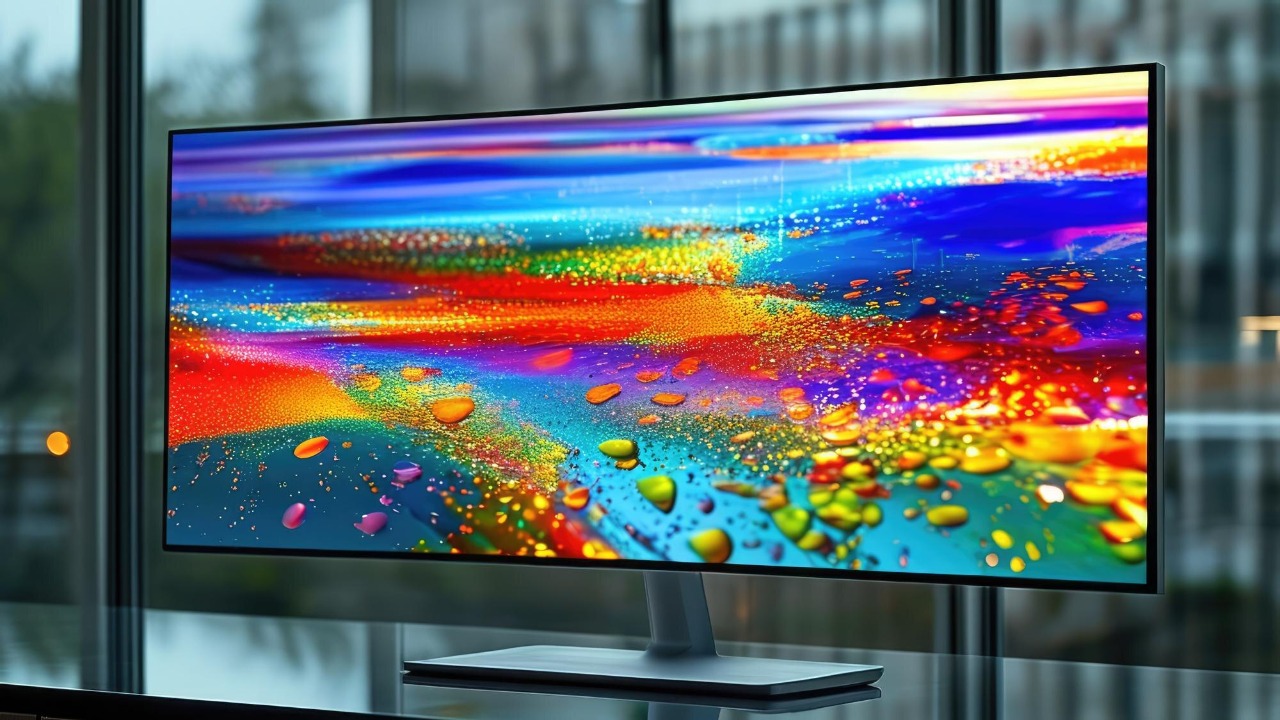
LG’s Micro RGB TVs are promoted as having near-perfect color performance, a key differentiator versus standard LCD and Mini-LED sets that often struggle with subtle gradients or off-axis shifts. By emphasizing near-perfect color, LG is directly targeting one of the core reasons enthusiasts have gravitated toward OLED, which has traditionally delivered more consistent hues and better coverage of wide color gamuts. If Micro RGB evo can deliver similar fidelity while retaining LCD’s brightness headroom, it could change how buyers weigh the trade-offs between the two technologies when watching HDR movies on services like Disney Plus or playing color-rich games on a PlayStation 5.
Coverage of the first Micro RGB TV highlights “color perfection” as a headline benefit of the new panel design, underscoring how the backlight and subpixel structure are meant to surpass existing LCD-based technologies. The Micro RGB evo TV is framed as bringing OLED-like color and contrast characteristics to an LCD platform, narrowing the perceived gap between the two and potentially redefining what counts as “reference” quality in a living room. For professionals who use high-end TVs as client monitors or for color-critical editing, that convergence could make Micro RGB evo a more viable option in workflows that previously defaulted to OLED or dedicated reference displays.
Impact on OLED Owners and the Future TV Landscape
Reports note that LG’s first Micro RGB TV has “got OLED users feeling envy”, suggesting that some premium OLED buyers may now see Micro RGB evo as an attractive alternative rather than a clear step down. That reaction is particularly striking because OLED has long been positioned as the aspirational endpoint for TV upgrades, with LCD variants marketed as compromises for budget or brightness. If existing OLED owners are already eyeing Micro RGB evo for its color performance and processing, it hints at a shift in perception where LCD is no longer automatically considered second tier at the high end.
Commentators describe LG’s Micro RGB TVs as a technology that “could be the future of television,” pointing to its potential long-term impact on the TV market and on how manufacturers allocate research and development budgets. By branding the Micro RGB evo as its most advanced LCD and tying it to CES 2026, LG is signaling a strategic shift in how it balances OLED and LCD in its flagship lineup, potentially influencing panel suppliers, chipset vendors, and even streaming platforms that optimize content for specific display capabilities. For consumers planning multi-thousand-dollar upgrades in the next product cycle, the emergence of Micro RGB evo means the familiar OLED versus LCD decision is about to become more complicated, and potentially more rewarding, than it has been in a decade.