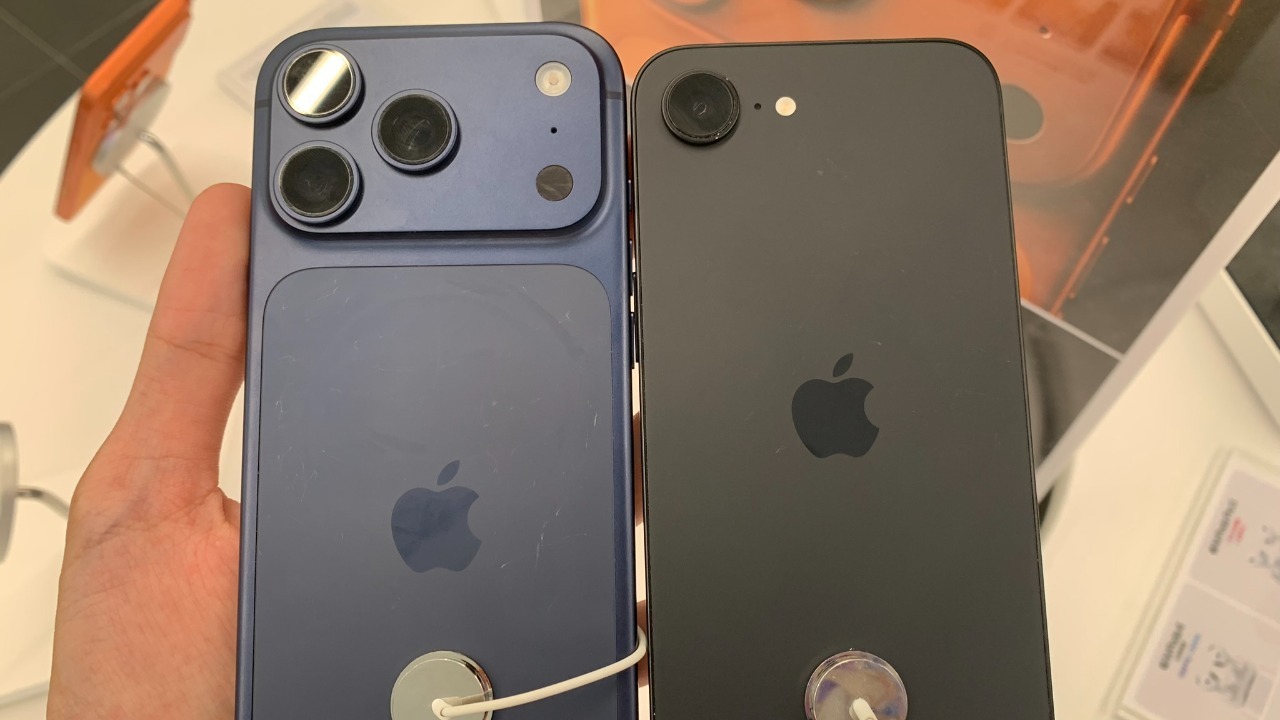

Early rumors suggest Apple’s rumored budget-focused iPhone 17e could launch in 2026 with full MagSafe charging support, potentially fixing what multiple reports describe as the “biggest flaw” of Apple’s current lower-cost iPhone line. The prospect of a cheaper model that finally embraces the same magnetic charging and accessory standard as flagship devices is already sparking debate over how premium its design and features should be compared with the standard iPhone 17 models.
What’s New: MagSafe Support on the iPhone 17e
The most prominent change tied to the iPhone 17e is the expectation that it will finally support Apple’s magnetic charging system, with one report stating that the iPhone 17e may “address the biggest flaw of Apple’s budget phone” by adding full MagSafe compatibility. In that reporting, the lack of MagSafe on Apple’s current budget hardware is treated as a clear outlier in a lineup where magnetic chargers, wallets, and stands have become a default part of the experience, so extending that support to the iPhone 17e would close a gap that has frustrated buyers who want cheaper phones without giving up ecosystem perks.
A separate report describes Apple’s “next iPhone 17 model” as potentially fixing its predecessor’s “biggest flaw,” again highlighting MagSafe support as the key upgrade that would bring the device in line with the rest of the family. That framing positions the iPhone 17e not as a one-off experiment but as part of a broader shift in which Apple responds directly to criticism of earlier budget models that skipped the magnetic hardware, a change that could reshape expectations for what counts as a baseline feature in the lower-priced tier.
Fixing the ‘Biggest Flaw’ in Apple’s Budget iPhones
Current coverage of Apple’s budget phone strategy repeatedly points to the absence of MagSafe as the most significant compromise, with one detailed look at the iPhone 17e explaining that the device “may address the biggest flaw of Apple’s budget phone” by finally embracing the same magnetic standard used on higher-end models. That assessment argues that without MagSafe, buyers of cheaper iPhones are effectively locked out of Apple’s growing ecosystem of magnetic chargers, stands, wallets, and car mounts, a limitation that makes the budget option feel less future proof even when its processor and camera hardware remain competitive.
Another report on Apple’s next iPhone 17 model describes the upcoming update as a direct response to criticism of the previous generation’s missing MagSafe hardware, suggesting that Apple has heard complaints from users who had to choose between price and accessory compatibility. By framing MagSafe as the “biggest flaw” that needs to be fixed, that coverage implies that Apple is under pressure to treat magnetic charging and accessory support as table stakes rather than a luxury, a shift that could narrow the experiential gap between the iPhone 17e and the standard iPhone 17 models even if other specs remain scaled back.
Design Debate: Notch vs. Modern Displays
While MagSafe support is emerging as a relatively consistent part of the rumor mill, the physical design of the iPhone 17e is far more contested, with one report stating that “leakers clash over iPhone 17e display design as notch rumors resurface.” That coverage ties the dispute directly to the budget model, outlining how some sources expect Apple to retain an older-style notch at the top of the display while others believe the company will adopt more modern cutouts that better match the rest of the iPhone 17 lineup, a choice that will signal how aggressively Apple wants to differentiate the cheaper device on store shelves.
According to that same reporting, the renewed notch rumors underscore Apple’s challenge in balancing cost savings with a contemporary look, since reusing older display tooling could keep the iPhone 17e’s price down but might also make it feel dated next to premium models. The contrast between this uncertainty over the front design and the more confident MagSafe expectations from other reports highlights how hardware aesthetics remain the most contested aspect of the phone, and the final decision will shape whether budget buyers feel they are getting a modern iPhone or a visibly compromised one.
Key Rumored Specs and Features Beyond MagSafe
Beyond magnetic charging, early speculation paints the iPhone 17e as a 2026 model that will sit within the broader iPhone 17 lineup, with one detailed rumor roundup explicitly describing it as part of Apple’s 2026 offerings rather than a stopgap release. That same overview frames the iPhone 17e as a more affordable option in the 2026 lineup, positioning it as the entry point for buyers who want a current-generation iPhone without paying flagship prices, which raises the stakes for how much Apple can strip back without undermining the appeal of a “new” model year.
In that context, the iPhone 17e is associated with “6 features you can’t miss,” a list that includes MagSafe alongside other rumored capabilities that collectively signal an effort to modernize Apple’s budget tier. By grouping magnetic charging with those additional upgrades, the reporting suggests that Apple is not just patching a single omission but rethinking what the baseline experience should look like in 2026, a move that could pressure rival Android manufacturers that have used wireless charging and accessory ecosystems as differentiators in the midrange segment.
Impact on Apple’s Budget Strategy and Accessory Ecosystem
Analysts following the rumors argue that adding MagSafe to the iPhone 17e would align Apple’s budget phone with the same magnetic charging standard used across higher-end iPhones, a shift one report describes as a way for the iPhone 17e to “address the biggest flaw of Apple’s budget phone.” That alignment would simplify accessory choices for consumers who might otherwise have to check compatibility labels or buy separate chargers for different family members, and it would also make it easier for accessory makers to design products that work across the full iPhone 17 range without carving out exceptions for the cheapest model.
Another detailed look at Apple’s next iPhone 17 model implies that fixing the MagSafe omission could make the device more competitive, especially for buyers who want cheaper hardware without sacrificing core ecosystem features like magnetic wallets, car mounts, and bedside stands. A separate rumor roundup frames MagSafe and the other expected upgrades as reasons the 2026 iPhone 17e will be hard to ignore, hinting that a more capable budget phone could drive stronger demand for accessories and create a more unified iPhone experience across price tiers, which in turn would reinforce Apple’s strategy of tying hardware, services, and peripherals into a single, sticky ecosystem.