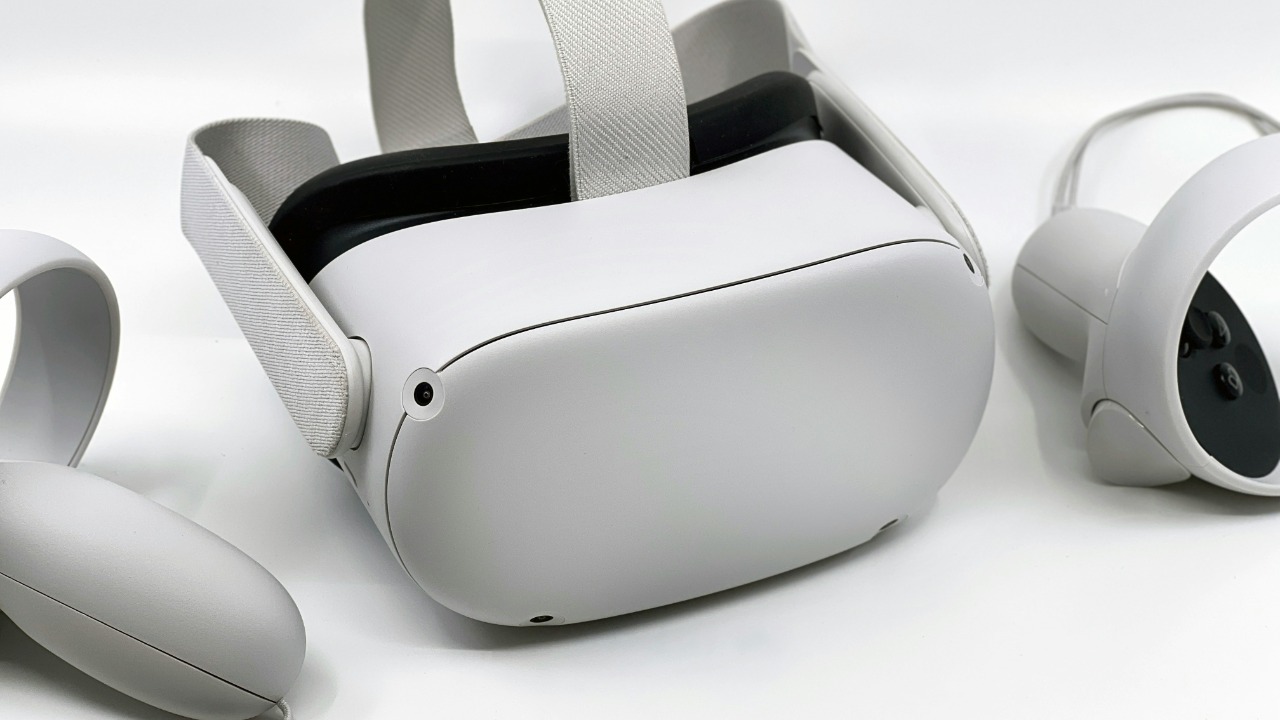

Meta is preparing to raise prices on its VR headsets as part of a broad business model overhaul that will shift how the company monetizes its Quest hardware and VR ecosystem. The planned price hikes mark a strategic pivot for Meta as it reassesses the economics of virtual reality after years of subsidizing devices to drive adoption.
Meta’s New VR Pricing Strategy
Meta plans to raise VR headset prices rather than continue aggressively subsidizing hardware, signaling that the era of ultra-aggressive discounting on Quest devices is ending. According to reporting on how Meta plans to raise VR headset prices amid a business model overhaul, the company is explicitly linking these increases to a broader rethink of how its VR and mixed-reality products generate revenue. For consumers who have grown accustomed to relatively low entry prices for Meta Quest headsets, the shift suggests that future models will be priced closer to their true production and R&D costs, rather than being treated primarily as loss leaders.
The company is also tying the new pricing structure to a comprehensive business model overhaul for its VR and mixed-reality portfolio, which includes Quest hardware and the surrounding software ecosystem. Instead of relying on hardware subsidies to rapidly expand its installed base, Meta is signaling that it wants a more balanced mix of income from devices, software, and services. That change matters for the broader VR market because Meta has been the most aggressive player in pushing down headset prices, and its decision to reverse course will influence how consumers, developers, and competitors think about the long-term economics of virtual reality.
From Subsidized Hardware to Sustainable Margins
For years, Meta previously leaned on subsidized VR hardware to make headsets more accessible and accelerate adoption, effectively treating Quest devices as an investment in future metaverse engagement rather than as a profit center. The company’s willingness to sell powerful standalone headsets at prices that undercut many PC-based VR systems helped establish Quest as a default entry point for consumers curious about virtual reality. That strategy, however, also meant that Meta’s hardware segment absorbed significant losses, with the expectation that software sales and metaverse activity would eventually justify the upfront spending.
The new pricing reflects Meta’s push to make its VR business financially sustainable instead of relying on losses in the hardware segment, a shift that aligns with its broader reevaluation of metaverse and VR investments after years of heavy spending. By moving toward sustainable margins on Quest hardware, Meta is effectively acknowledging that the metaverse cannot be built indefinitely on subsidized devices alone. For investors and analysts, the pivot suggests that Meta is prioritizing clearer paths to profitability in its Reality Labs operations, which could reshape expectations for how quickly the company scales new VR features and services.
Impacts on Consumers and Developers
Higher VR headset prices from Meta could raise the barrier to entry for new consumers considering VR, particularly those who were on the fence about purchasing a Quest device. A higher upfront cost may cause some potential buyers to delay or forgo a purchase, especially in households that treat VR as a discretionary entertainment expense rather than a core computing platform. That dynamic could slow the pace at which new users join the Quest ecosystem, which has been one of the largest and most active consumer VR communities.
Developers building for the Meta Quest ecosystem may need to adjust expectations about future user growth and install bases if higher prices temper hardware adoption. Studios that design games, fitness apps, and productivity tools for Quest have often relied on a steadily expanding audience to justify ongoing investment and updates. As Meta’s business model overhaul introduces new ways of monetizing software, services, or content to offset the impact of higher hardware costs on adoption, developers will be watching closely to see whether improved revenue-sharing models, subscription options, or in-headset services can compensate for any slowdown in hardware-driven growth.
Competitive and Market Context
Meta’s move to raise VR headset prices sits within a broader VR market where rivals are also reassessing costs and pricing as the industry matures. Competing VR and mixed-reality headsets, including devices that rely on gaming PCs or consoles, have generally carried higher price tags than Quest, but they too face pressure to justify their costs with compelling content and long-term support. As component prices, supply chain dynamics, and R&D demands evolve, platform owners across the sector are rebalancing how much of the financial burden they absorb versus pass on to consumers.
Meta’s shift away from deep subsidies could narrow its price advantage over competing VR and mixed-reality headsets, which may subtly change how buyers compare platforms. If Quest devices move closer in price to rival systems, factors such as exclusive content, social features, and integration with other services will become even more important in purchase decisions. At the same time, Meta’s business model overhaul signals a maturing phase for the consumer VR industry, with greater emphasis on profitability over pure growth, a trend that could encourage more disciplined product roadmaps and more predictable support cycles across the market.
What Changes Next for Meta’s VR Roadmap
Meta’s decision to raise headset prices as part of its overhaul will likely influence future Quest hardware design and feature trade-offs, since devices will now be expected to carry more of their own financial weight. When a headset is no longer treated primarily as a subsidized gateway to software, product teams must justify each component and capability against a clearer margin target. That could lead to more deliberate segmentation between entry-level and premium Quest models, with distinct feature sets that reflect their respective price points and target audiences.
The company’s evolving VR strategy could also reshape priorities across its hardware, software, and metaverse initiatives, as leadership weighs which experiences most effectively support the new business model. Investments in social VR, productivity tools, and mixed-reality features will be evaluated not only on their ability to drive engagement but also on their contribution to revenue through app purchases, subscriptions, or enterprise partnerships. Investors and industry watchers will track how Meta’s new VR pricing and business model affect the performance of its Reality Labs segment over upcoming product cycles, using headset sales, software revenue, and user engagement metrics as key indicators of whether the pivot toward sustainable margins is paying off.