
Russian parents and children in Moscow staged a rare public demonstration after Russian authorities blocked access to the Roblox gaming platform, protesting a decision they say cuts off a vital social and creative outlet for young people. The gathering, which drew families who described Roblox as central to their children’s friendships and hobbies, underscored how a seemingly niche gaming dispute has become a flashpoint over digital freedoms in Russia.
Background on the Roblox Ban
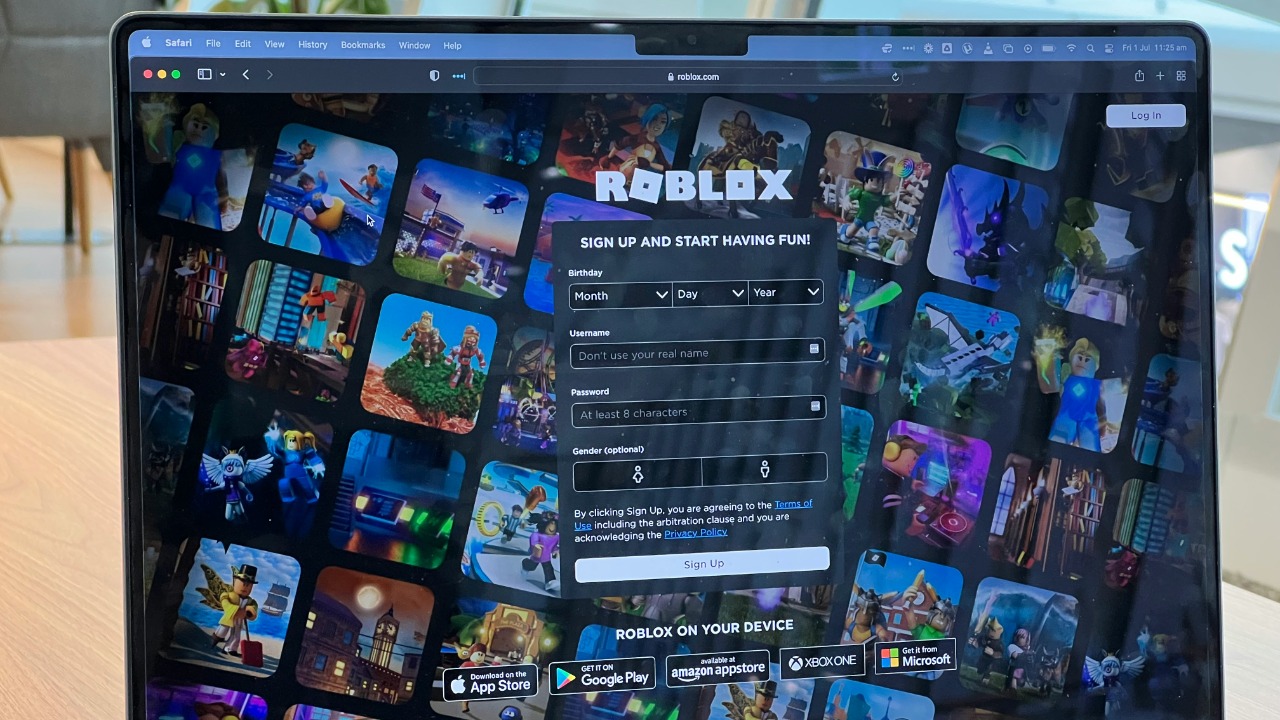
Russian authorities moved to block access to the Roblox gaming platform nationwide, cutting off one of the world’s most popular virtual playgrounds for children and teenagers. The decision targeted both the main Roblox website and associated services, meaning users inside Russia suddenly found that games, user-created worlds and social features would no longer load without technical workarounds. For families who had treated Roblox as a safe, child-focused corner of the internet, the abrupt disappearance of the platform highlighted how quickly state controls can reshape everyday digital life.
The block on Roblox came into effect after the order was circulated to internet providers, and users reported losing access within a short window once the restrictions were implemented. Parents and children said that one day they could log in and chat with friends, and the next day the platform simply timed out or displayed error messages, with no in-app explanation of what had changed. That speed, combined with the lack of advance public notice, reinforced the sense that Russian regulators can flip a switch on foreign platforms with little warning, leaving millions of users scrambling to understand the new rules.
A Rare Public Protest in Moscow
In response to the Russian ban on the Roblox platform, parents and children gathered in central Moscow to stage a rare public protest focused on a digital service rather than a traditional political cause. Families arrived with homemade signs, some featuring Roblox avatars and game logos, and others carrying simple slogans demanding that access be restored. Children who had spent years building virtual worlds stood alongside their parents, treating the demonstration as both a civic act and an attempt to defend a favorite pastime that had suddenly been taken away.
Such an open demonstration over an online game is considered a rare act of protest in today’s Russia, where public dissent is tightly controlled and street rallies often face swift dispersal. Protesters framed their demands in narrow terms, calling on authorities to reverse the block and allow children to return to their online communities, but the very act of gathering signaled broader unease with the direction of internet policy. By choosing a cause that centers on children and digital creativity, participants effectively highlighted how state decisions about online platforms now reach deep into family life and childhood routines.
Impact on Children, Families, and the Gaming Community
Parents at the protest described how the Roblox ban affects their children’s social lives, education and mental health, saying that the platform had become a primary way for kids to stay in touch outside school. Many children used Roblox to meet classmates in shared game rooms, celebrate birthdays in virtual spaces and collaborate on building projects that doubled as informal lessons in teamwork and problem solving. With access cut off, families reported sudden mood swings, frustration and a sense of isolation among children who had come to rely on those digital interactions as part of their daily routine.
Before the block, Russian children used Roblox to play, learn basic coding and create their own virtual worlds, often treating the platform as a first step into programming and digital design. Young users experimented with scripting tools, game mechanics and virtual economies, while some teenagers moved into more advanced development, publishing their own games and earning small amounts of income from in-game purchases. Russian gamers, streamers and independent developers who relied on Roblox for creative expression and revenue now face the loss of both an audience and a training ground, a shift that could narrow the pipeline of future talent in the country’s gaming and tech sectors.
Government Justifications and Official Responses
Russian authorities have justified blocking Roblox by citing concerns that touch on security, extremism and the nature of content available on the platform. Regulators argued that user-generated games and chat functions can host material that is difficult to monitor at scale, including content they classify as harmful to minors or potentially linked to extremist messaging. By presenting the ban as a protective measure, officials positioned the decision as part of a broader effort to shield children from what they describe as unregulated foreign platforms, even as parents at the protest insisted that Roblox had been a positive space for their families.
Statements from Russian ministries and regulators defending the Roblox ban emphasized the state’s responsibility to control online environments that reach large numbers of young users. Officials pointed to existing laws that require platforms to remove prohibited content and argued that foreign companies must comply fully with Russian rules if they wish to operate in the country. So far, authorities have not publicly acknowledged the Moscow protest over Roblox in detail or signaled any willingness to reconsider the decision, a silence that suggests the government is reluctant to appear responsive to street pressure on digital policy, even when the demonstrators are children and their parents.
Responses from Roblox and International Observers
Roblox, which has cultivated a global image as a platform for user creativity and safe social play, has faced questions about how it will respond to its service being blocked in Russia. Public reaction from the company has focused on reiterating its general policies on safety and content moderation, while avoiding direct confrontation with Russian regulators over the specifics of the ban. For Russian users, the lack of a clear path to restoring access underscores how decisions made by governments and platform owners can leave local communities with little leverage, even when they have invested years of time and money into building virtual identities and projects.
Digital rights groups and international observers have framed the Russian ban on Roblox as part of a broader pattern of tightening control over foreign tech platforms and online speech. Advocacy organizations argue that targeting a platform heavily used by children sends a signal that no corner of the internet is exempt from state oversight, and that the line between protecting minors and restricting access to global culture is increasingly blurred. Some foreign governments and international organizations have linked the Roblox block to wider concerns over internet freedom in Russia, warning that each new restriction further isolates Russian users from global digital communities and reduces the space for independent expression.
What the Ban Signals About Russia’s Digital Clampdown
Placed in the context of previous Russian restrictions on foreign tech platforms and social media, the Roblox ban looks less like an isolated decision and more like the next step in a systematic digital clampdown. Authorities have already moved against major social networks and information platforms, citing similar combinations of legal noncompliance and content concerns, and the extension of these tactics to a children’s gaming service illustrates how far the state’s regulatory reach now extends. By treating Roblox as subject to the same controls as political news sites or messaging apps, regulators are effectively collapsing the distinction between entertainment platforms and more overtly political spaces.
Targeting a children’s gaming platform like Roblox marks an escalation in Russia’s approach to online control because it directly affects a demographic that has typically been seen as outside the core battleground of information policy. The protest against the Roblox block, led by parents and children, suggests that when digital restrictions begin to reshape everyday family life, they can generate new forms of public pushback that are harder to dismiss as purely political activism. Whether this demonstration encourages further resistance to digital censorship will depend on how authorities respond and whether other communities, from educators to software developers, decide that the costs of losing access to global platforms outweigh the risks of speaking out.