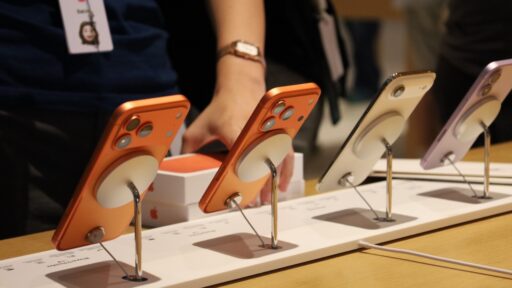
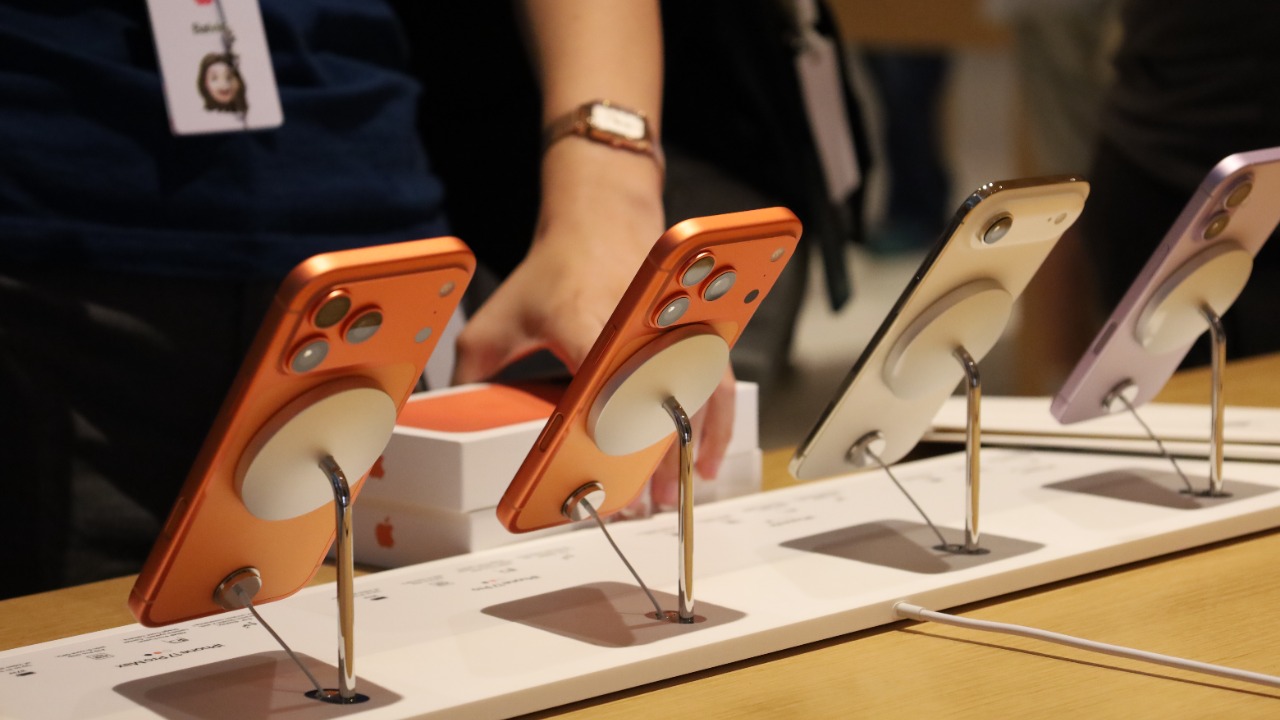

Apple’s upcoming iPhone 17 lineup is shaping up as a meaningful step forward in performance and design, building directly on the foundation laid by the iPhone 16 rather than trying to reinvent the smartphone from scratch. In a market where upgrade cycles are stretching and buyers are wary of hype, the iPhone 17 looks positioned as a practical, near-term choice that delivers clear benefits without demanding a wait for the next big thing. For people weighing whether to hold out for the iPhone 18, the more pressing question is whether skipping a full year of improvements and value makes sense when the iPhone 17 already checks the boxes that matter most.
iPhone 17 Launch Timeline and Availability
The iPhone 17 family is expected to follow Apple’s familiar September rollout window, which places its debut squarely in the middle of the back-to-school and early holiday shopping season. That timing gives early adopters first access to new hardware before peak holiday demand, while also giving more cautious buyers a few months to watch real-world reviews and carrier promotions settle in. By aligning the iPhone 17 launch with this seasonal buying peak, Apple effectively maximizes the number of people who can upgrade in a single cycle, from students replacing older iPhone 12 or iPhone 13 models to professionals who want a fresh device in hand before year-end travel and work crunches.
Availability is just as critical as timing, and the iPhone 17 lineup is expected to benefit from supply chain refinements that reduce the bottlenecks seen in earlier generations. Where Pro and Pro Max variants have historically been constrained for weeks, improved component planning and more diversified manufacturing should help keep wait times shorter for the most in-demand configurations. That matters for anyone who wants a specific color, storage tier, or Pro-level camera system without being pushed into a compromise model, and it also helps carriers and big-box retailers keep shelves stocked during aggressive trade-in and installment-plan promotions that tend to cluster around launch season.
Key Upgrades in the iPhone 17 Over the iPhone 16
At the heart of the iPhone 17 is a new A-series processor that builds directly on the silicon foundation of the iPhone 16 but pushes efficiency and on-device AI capabilities further. The chip is expected to deliver faster performance in everyday tasks like launching apps, processing photos, and running games, while also improving the responsiveness of AI-heavy features such as live transcription, image editing, and personal assistant suggestions. In practical terms, that means smoother multitasking when juggling apps like Slack, Outlook, and Safari, as well as more headroom for future iOS features that will lean on machine learning and Apple Intelligence services.
Camera upgrades are another clear differentiator between the iPhone 17 and its predecessor, with higher-resolution sensors and improved low-light performance designed to address feedback from iPhone 16 owners who wanted more detail and cleaner night shots. The main and ultra-wide cameras are expected to capture sharper images with better dynamic range, while refinements to computational photography should reduce noise in dim environments like restaurants, concerts, and indoor sports arenas. For people who rely on their phone as their primary camera, those changes can be the difference between keeping a compact mirrorless camera in the bag and trusting the iPhone 17 to handle everything from vacation landscapes to 4K video of kids’ soccer games.
Display, Battery Life, and Everyday Future-Proofing
Beyond the processor and camera, the iPhone 17 is expected to refine the display experience in ways that matter for daily use, particularly for people who spend hours scrolling social feeds, streaming video, or reading on their phones. According to the detailed comparison in iPhone 17 vs. iPhone 16: Which Is the Right Choice for You?, the newer models are set to offer brighter panels and more efficient refresh-rate management, which should improve outdoor visibility and reduce eye strain during long sessions. Those enhancements are not just cosmetic; they directly affect how comfortable it is to use the phone on a sunny commute, in a classroom, or on a couch binge-watching a series.
Battery life improvements build on those display gains, with the iPhone 17 expected to squeeze more hours of use from similar or slightly larger battery capacities through a combination of chip efficiency and software tuning. The same comparison notes that these refinements make the iPhone 17 more future-proof for everyday use, since a device that can comfortably last through a full day of navigation, messaging, streaming, and camera use today is more likely to remain viable after several years of iOS updates. For buyers who typically hold onto their phones for four or five years, that kind of longevity can be more valuable than any single headline feature, especially when paired with fast charging and optimized battery health management.
Why Skip Waiting for the iPhone 18
For anyone tempted to sit out the iPhone 17 and wait for the iPhone 18, the core argument against delaying is that the next cycle is expected to bring incremental refinements rather than a wholesale redesign. Reporting in Don’t Wait for the iPhone 18. It’s Fine to Buy the iPhone 17 frames the iPhone 18 as a likely evolution with minor design tweaks, not a radical shift that would justify a full year of holding onto an aging device. In that context, the iPhone 17’s combination of a stronger processor, better cameras, and improved display and battery performance already delivers the kind of balanced upgrade that most people actually feel in daily use.
There is also a software angle that makes waiting less attractive, since major iOS features and Apple Intelligence capabilities tend to be tuned first for the newest hardware. The same reporting points out that software support cycles effectively start with the iPhone 17, meaning that buyers who jump in now will be at the front of the line for new features and optimizations, while those who wait risk spending another year on a device that may not get the full benefit of upcoming updates. For users who rely on their phones for work, creative projects, or accessibility features, that lag can translate into real productivity and quality-of-life costs that outweigh the theoretical benefits of a slightly newer design down the road.
Pricing, Trade-Ins, and the Economics of Upgrading Now
On the financial side, the iPhone 17 lineup is expected to maintain pricing that keeps it accessible to a wide range of buyers, rather than introducing major hikes that would scare off people upgrading from older devices. By holding the line on base prices and relying on storage tiers, carrier subsidies, and installment plans to segment the market, Apple can position the iPhone 17 as a straightforward step up for owners of iPhone 13, iPhone 14, and even iPhone 16 models who want better performance without a shock to their monthly budget. That strategy also helps keep the entry-level iPhone 17 competitive against Android flagships that are increasingly priced in the same range.
Trade-in values are another key factor that favors upgrading sooner rather than later, especially for current iPhone 16 owners. Devices tend to command their highest trade-in or resale prices within the first year, and the reporting on why it is fine to buy the iPhone 17 now highlights how those values peak around the time a new generation arrives. For someone trading an iPhone 16 Pro into an iPhone 17 Pro, that timing can shave a significant amount off the effective cost of the new phone, while waiting for the iPhone 18 would likely mean accepting a lower trade-in credit and a smaller net benefit. In a market where many buyers are sensitive to monthly costs, capturing that value now can be the difference between stepping up to a Pro model and settling for a base configuration.
Impact on Consumers and the Broader Market
Adoption of the iPhone 17 is also poised to accelerate how deeply users plug into Apple’s broader ecosystem, particularly for services that rely on newer hardware and AI capabilities. Features under the Apple Intelligence umbrella, such as more context-aware Siri interactions, on-device summarization of long emails, and smarter photo search, are expected to run best on the latest A-series chips and optimized neural engines. As more people move from the iPhone 16 to the iPhone 17, that shift could widen the experience gap between those on current hardware and those on older models, nudging households and workplaces to standardize on newer devices so that collaboration tools, shared photo libraries, and continuity features work more smoothly.
From a market perspective, analysts see the iPhone 17’s balance of innovation and affordability as a lever for gaining or defending share among both budget-conscious buyers and premium seekers. For someone comparing a base iPhone 17 to a discounted iPhone 16 or a midrange Android phone, the combination of longer software support, stronger resale value, and tighter integration with services like iCloud, Apple Music, and Apple TV Plus can tilt the decision toward the newer model. At the high end, the iPhone 17 Pro variants are likely to appeal to photographers, gamers, and professionals who want the best camera and performance package without waiting for an iPhone 18 that is not expected to deliver a transformative leap. That dynamic could help stabilize upgrade cycles and keep Apple’s flagship line central to carrier promotions and holiday marketing.
Sustainability, Upgrade Timing, and Long-Term Use
Environmental considerations are increasingly part of the upgrade conversation, and the iPhone 17 fits into Apple’s broader sustainability goals by encouraging timely but not frivolous replacements. Moving from an iPhone 12 or iPhone 13 to an iPhone 17 can reduce e-waste in the long run, since the newer device is likely to receive more years of software updates and security patches, which keeps it viable for secondary owners once it leaves the original buyer’s hands. When older phones are traded in or resold while they still have strong battery health and performance, they are more likely to be reused rather than recycled, which extends their life and reduces the environmental footprint per year of use.
At the same time, the iPhone 17’s efficiency gains in areas like the processor, display, and power management contribute to lower energy consumption over the life of the device compared with older models that need more frequent charging. For users who keep their phones for four or five years, that can add up to meaningful savings in both electricity and battery wear, which supports Apple’s push toward longer-lasting hardware and more sustainable product cycles. When I weigh those factors against the relatively modest improvements expected from the iPhone 18, the case for upgrading to the iPhone 17 instead of waiting becomes not just a matter of convenience, but also a practical choice that aligns performance, cost, and environmental impact in a single, well-timed step.