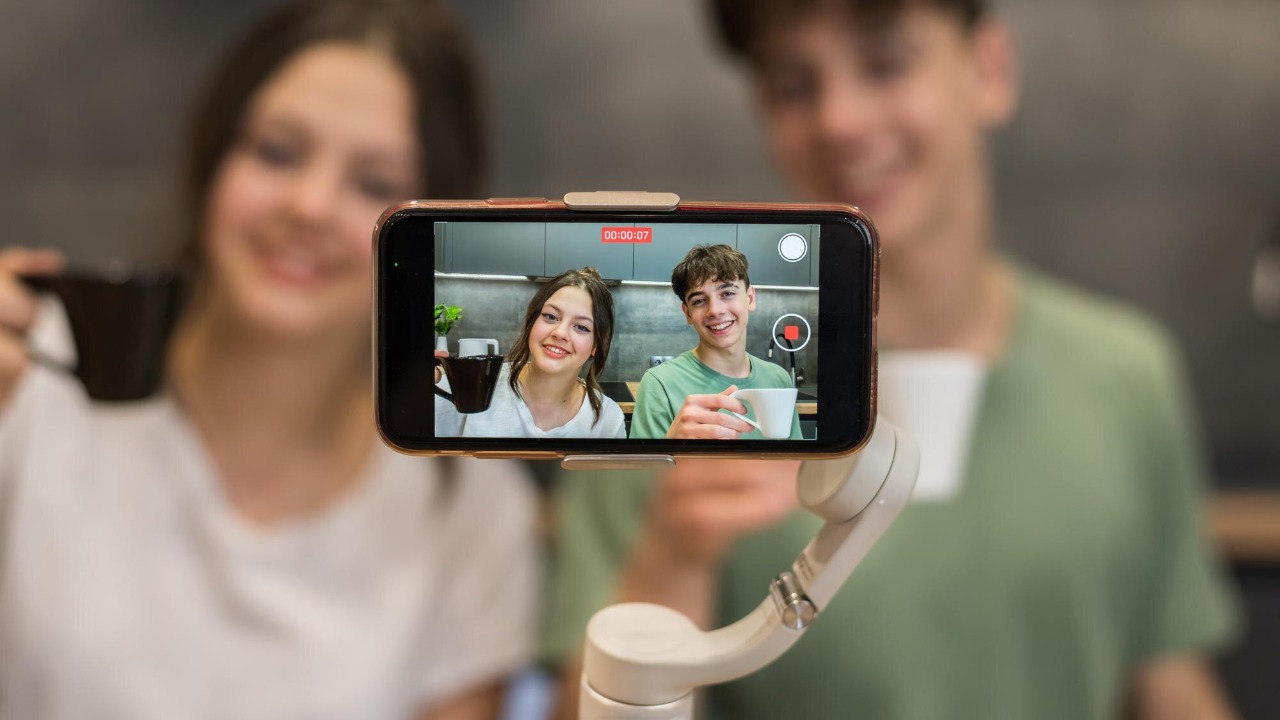

Google has rolled out a new feature that lets Android users share live video directly with 911 dispatchers during emergency calls, giving first responders real-time visual context to assess what is happening faster. The update, announced through Google’s official channels, builds on existing location-sharing tools by adding video capabilities for supported devices in the United States and is designed to work without any extra apps or setup from the caller.
How the Feature Activates
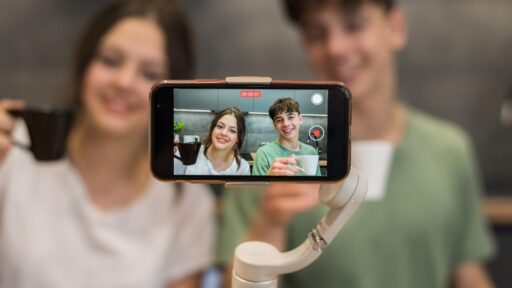
When an Android user places a 911 call on a compatible phone in a supported area, the system can prompt them with an option to start streaming live video from either the rear or front camera so that dispatchers can see the scene as it unfolds. Google describes in its official announcement that the video feed is initiated through a secure link sent during the call, and that the caller remains connected on audio while the stream runs in parallel, which means they can keep talking to the operator while showing what is happening around them through the camera. According to an overview of the rollout, the interface is designed so that the prompt appears contextually during the emergency call, and the user can start or stop sharing with a single tap, reducing the risk of fumbling through menus in a high-stress situation.
Technical details highlighted in coverage of the feature explain that the stream is transmitted over a data connection that is tied to the emergency call session, which allows the public safety answering point to view the video in real time without requiring the caller to install a separate video app or conferencing tool. One report on how Google brings real-time video support to emergency services on Android notes that dispatchers receive the feed through a web-based interface that integrates with their existing call-handling software, so they can switch between audio, location data, and video within a single console. That integration matters for emergency operators, because it reduces the friction of adopting a new tool and helps ensure that video becomes a routine part of triage rather than an occasional add-on used only by tech-savvy centers.
Device and Location Requirements
Google’s live video feature is initially limited to Android devices running version 14 or later, with the company positioning it as part of the latest generation of system-level safety tools that are deeply integrated into the phone’s dialer and settings. Reporting on the launch of the capability explains that the first phase of the rollout is focused on the United States, where 911 infrastructure is already being upgraded to handle richer data, and that the feature will only appear when a user is in a jurisdiction whose public safety answering point has opted into the program. A detailed breakdown of the deployment notes that Google is working with major carriers such as Verizon and AT&T to route the video streams alongside traditional voice traffic, which is critical for achieving nationwide coverage rather than a patchwork of city-by-city pilots.
For callers outside those supported regions, or for people using older phones that are not on Android 14, the live video option will either not appear or will be visible but grayed out, signaling that the capability is not yet available for that device or location. In its product blog post titled “Share live video with emergency services to get the help you need”, Google states that it plans to expand the feature to more public safety answering points and to additional markets over time, although it does not commit to a specific global timeline. That staged approach reflects the reality that many emergency centers still rely on legacy systems, and it underscores that the benefits of live video will reach users unevenly at first, depending on how quickly local agencies upgrade their infrastructure and sign on to Google’s integration program.
Benefits for Emergency Responders and Users
Emergency communications experts have long argued that dispatchers need more than a voice description to make the best decisions, and the new Android feature is intended to give them that missing visual layer. Coverage of the rollout notes that dispatchers can use the live feed to see details such as whether an injured person is breathing, whether there are visible hazards like smoke or downed power lines, or how many vehicles are involved in a crash, all of which can influence what kind of response is sent and how quickly. An analysis of how you can now share live video with emergency services on Android points out that visual confirmation can help operators prioritize calls during large-scale incidents, since they can quickly distinguish between minor fender benders and life-threatening collisions without relying solely on a shaken caller’s description.
For users, the stakes are just as significant, because the feature is designed to reduce the cognitive load on someone who may be panicked, injured, or trying to help another person in distress. Instead of struggling to describe the color of a car, the severity of bleeding, or the layout of a burning apartment, callers can point their phone and let the dispatcher guide them based on what they see, which can be especially valuable in medical emergencies where seconds matter. One report explaining how Android users can share live video with 911 in an emergency notes that operators can use the feed to coach bystanders through CPR or other first aid steps more effectively, because they can correct hand placement or compression depth in real time. That kind of remote guidance has the potential to narrow the gap between the moment a crisis begins and the arrival of professional responders, which is often the window in which outcomes are decided.
Evolution from Prior Android Safety Tools
The live video capability does not exist in isolation, but rather builds on Google’s existing Emergency Location Service, which has for years sent more precise GPS and Wi-Fi based coordinates to 911 centers when someone calls for help from an Android phone. In its own description of the upgrade, Google frames the new feature as a shift from static data to dynamic media, turning the phone into a sensor that can continuously relay what is happening instead of just where it is happening. A detailed look at how Android phones can now share live video with 911 dispatchers notes that the company is layering video on top of existing capabilities like automatic location sharing and emergency information cards, which already store details such as allergies or medical conditions that can be surfaced to responders.
Compared with Apple’s approach on iOS, which has focused on features like Crash Detection and satellite-based Emergency SOS for situations where cellular coverage is limited, Google’s update is centered on enhancing traditional cellular 911 calls by adding integrated video. Reporting on the broader ecosystem of emergency tools points out that this distinction matters, because it means Android’s new capability is likely to be usable in a wider range of everyday emergencies, such as domestic incidents, street assaults, or apartment fires in urban areas where cellular networks are strong. A feature story on how a new Android feature lets you beam live video to emergency services argues that the move also responds to user feedback that existing tools did not fully capture the complexity of real-world crises, where context like body language, crowd behavior, or environmental conditions can be as important as a GPS pin. By addressing those gaps, Google is positioning Android as a platform that treats the phone not just as a communication device but as a multi-sensor safety instrument.
Privacy, Security, and Operational Challenges
Any feature that streams live video from a personal device to government-operated systems raises immediate questions about privacy, data retention, and consent, and Google has tried to address those concerns in its technical design and public messaging. The company’s blog post explains that video sharing is strictly opt-in for each call, that dispatchers cannot activate a camera without the caller’s explicit permission, and that the stream is limited to the duration of the emergency session. Reporting on the architecture of the rollout notes that the video is transmitted over encrypted channels and that public safety answering points receive it through secure web interfaces, which is intended to reduce the risk of interception or unauthorized access. A closer look at how Android users can now share a live video on 911 calls adds that Google is working with emergency communication vendors to define retention policies so that video is stored only as long as necessary for incident documentation and legal requirements, rather than being kept indefinitely.
Operationally, the feature also introduces new challenges for 911 centers that are already under strain, including the need for upgraded bandwidth, additional training for call takers, and clear protocols for when to request or rely on video. Analysts who track emergency communications warn that dispatchers could face information overload if they are expected to monitor multiple live feeds during peak call times, and that agencies will need to develop guidelines for prioritizing which calls merit video and how to handle situations where the footage is graphic or traumatic. An in-depth report on how Google brings real-time video support to emergency services on Android notes that some centers are planning to route video monitoring to specialized staff or supervisors, freeing front-line call takers to focus on conversation and decision-making. Those operational choices will shape how effectively the technology translates into better outcomes, and they highlight that software alone cannot solve systemic issues like staffing shortages or uneven funding across jurisdictions.