
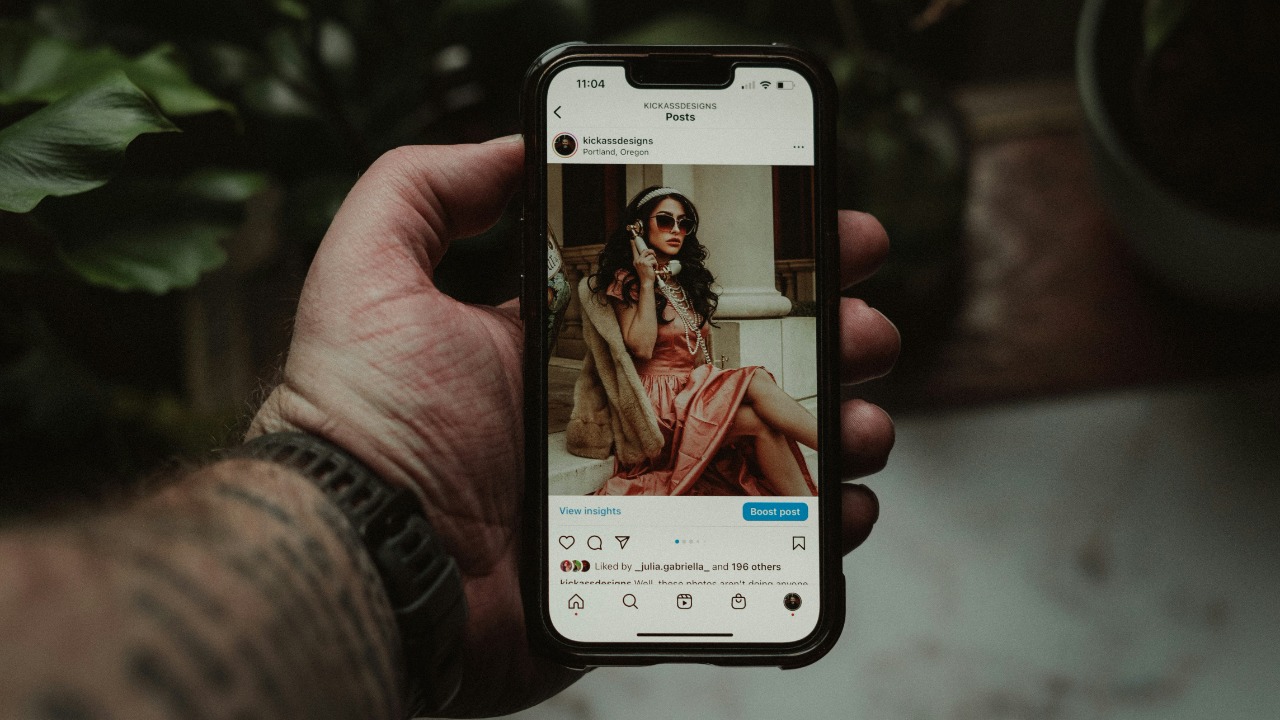

Instagram’s new repost feature, launched in late 2025, has quickly become a flashpoint for confusion as users discover just how easy it is to share something they never meant to broadcast. Reports from December 6, 2025, describe a wave of accidental reposts triggered by a button that is so sensitive and so central to the interface that a stray tap can send a post to followers in seconds. While the design has frustrated a broad swath of the platform’s community, a simple built-in fix lets people reverse those mishaps almost as quickly as they occur.
The Rollout of Instagram’s Repost Functionality
Instagram added the repost button as part of a late 2025 update that folded sharing more deeply into the app’s core interface, placing the control alongside familiar actions like liking, commenting and saving. According to reporting on the feature’s debut, the company framed the change as a way to make it easier for people to amplify friends, brands and creators without relying on third party tools or workarounds. The new control effectively turned reposting into a first class action, signaling that Meta wanted Instagram feeds to circulate more shared content rather than only original uploads.
That ambition, however, quickly exposed design flaws in how the repost button was integrated into the app’s layout and gesture patterns. Coverage of the rollout noted that the control sits in a highly trafficked area of the screen, close to where users already tap to navigate and interact, which increases the odds of an unintended touch. As a result, what was meant to enhance engagement has instead highlighted how a single misplaced button can reshape user behavior and expectations, raising questions about how aggressively Meta should push new sharing tools into the main feed.
User Experiences with Accidental Reposts
Reports on the early days of the feature describe a steady stream of users who discovered that they had reposted a photo or video only after friends pointed it out or after they noticed unfamiliar content on their own profiles. In coverage of the problem, one account detailed how the button’s ease of activation led to frustration and accidental reposts by some users who were simply scrolling or trying to open the comments when they triggered a share instead. That pattern has affected everyday posters and more visible accounts alike, illustrating how a small interface change can ripple across the entire community.
Influencers and creators, who often manage tightly curated grids and Stories, have been particularly sensitive to the risk of unintended shares, since a stray repost can disrupt carefully planned campaigns or brand partnerships. Some have described scrambling to delete or retract posts after realizing that a private joke, a competitor’s promotion or an off brand meme had suddenly appeared in front of hundreds of thousands of followers. The broader impact is a subtle erosion of trust in Instagram’s controls, as people who rely on the platform for their public image now feel they must double check every tap to avoid an embarrassing or confusing repost.
Addressing and Undoing Repost Mistakes
Despite the frustration, the mechanics of fixing an error are straightforward, which has become a key point in guidance shared with users. As one explanation of the feature notes, it is easy to undo a share, users just tap the repost button a second time to remove the content from their feed or profile. That simple toggle design means the same control that causes the problem also provides the remedy, reducing the need to dig through menus or settings when a mistake happens in the middle of a busy scroll.
Community discussions have gone further, surfacing practical tips and workarounds for people who want to avoid accidental activations in the first place. Some users recommend slowing down interactions around the lower part of the screen, where the new control sits, while others suggest adjusting how they hold their phones so thumbs are less likely to graze the button. There are also calls for Meta to add more granular interaction settings, such as an option to require a confirmation prompt before a repost goes live, which would give users who are especially cautious about their feeds an extra layer of protection.
Implications for Instagram’s User Interface Evolution
The repost confusion has become a case study in how even a single new control can reshape the feel of a mature app, especially when it is placed at the center of the interface. Earlier sharing tools on Instagram, such as sending posts through direct messages or adding them to Stories, typically required more deliberate steps and were tucked behind icons that signaled a separate flow. By contrast, the new repost button collapses that distance, turning what used to be a multi step decision into a near instant action, and the accidental shares show how that shift can outpace what users are ready to manage.
Reporting on the feature’s debut has also linked the repost issue to a broader pattern of user reported glitches and growing pains that accompany major updates. As Meta layers more features into Instagram, from shopping tabs to short form video tools, each new control competes for space and attention on screens that have not grown any larger. The accidental repost problem, described in detail in coverage such as the piece titled “It’s Not Just You. Users Struggle With the Instagram Repost Button.”, underscores how easily a design meant to boost engagement can instead generate friction, prompting calls for more intuitive layouts and clearer safeguards.
What Users Want Meta to Change Next
Since the feature’s December 2025 debut, feedback has coalesced around a few concrete requests that go beyond the existing tap again to undo behavior. People who have shared their experiences in comment threads and help forums often ask for a small delay or countdown before a repost becomes visible, which would give them a brief window to cancel without broadcasting anything to followers. Others argue for moving the button to a less crowded part of the interface, or for allowing users to hide it entirely if they rarely share other people’s posts, a level of customization that would acknowledge different posting styles across the platform.
Meta has not detailed any specific redesigns in the reporting that is currently available, but the volume and tone of complaints have already shaped the conversation about how future updates should roll out. Product teams now face a choice between prioritizing frictionless sharing, which can drive engagement metrics, and building in more explicit checks that respect how carefully many users manage their online presence. The experience of those who have accidentally shared content, then quickly learned to tap the button again to undo it as described in the explanation posted on Instagram’s new repost feature, will likely inform how Meta balances those goals in the next wave of interface changes.