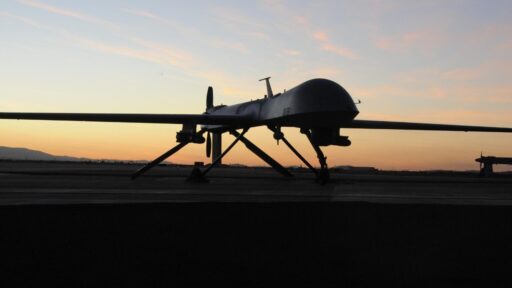
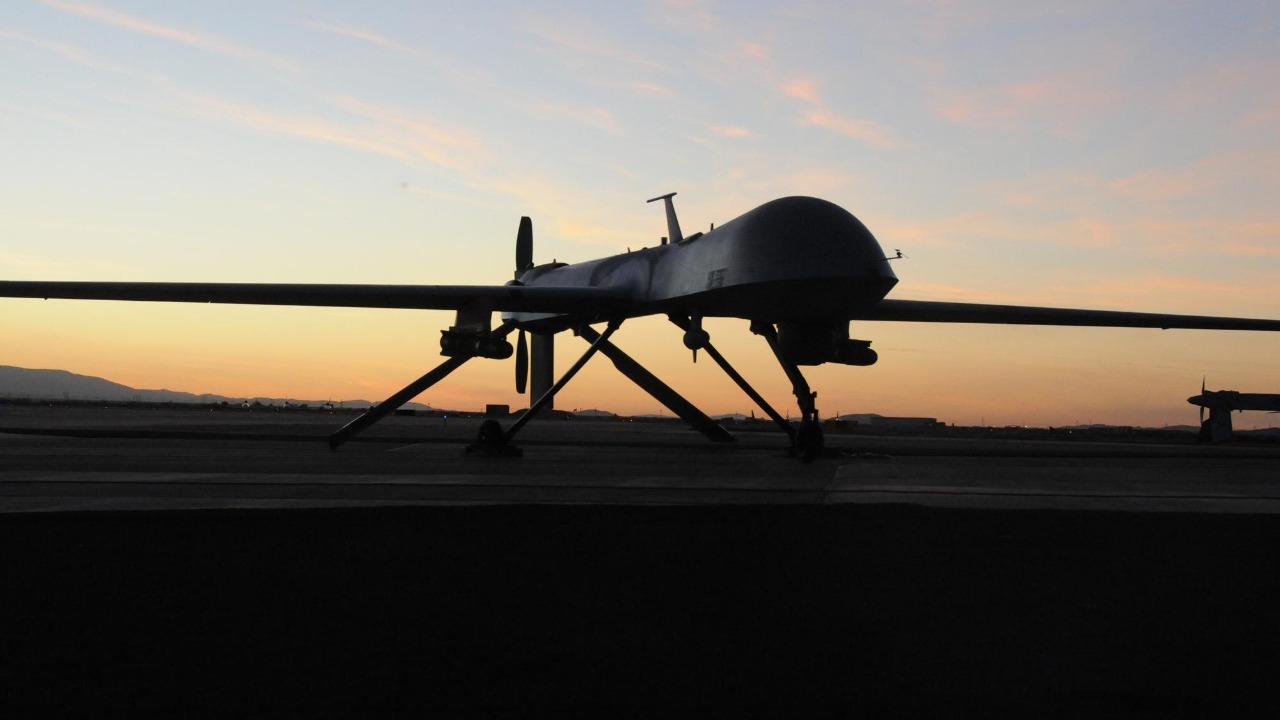

Northrop Grumman has unveiled Project Talon, a rapid-build, lower-cost combat drone designed as a lightweight combat drone to flank US Air Force jets. The initiative introduces a Talon autonomous fighter design that serves as a new loyal wingman drone design, signaling a shift toward more affordable unmanned systems that can support manned aircraft in contested environments.
Announcement of Project Talon
With the revelation of Project Talon, Northrop Grumman is positioning its latest unmanned aircraft as a central player in emerging collaborative combat aircraft programs. The company is presenting Talon as a purpose-built loyal wingman platform that can fly in formation with frontline fighters, absorb risk in high-threat zones, and extend the reach of existing fleets without requiring a full redesign of current manned aircraft. For the US Air Force, which is seeking ways to increase combat mass without escalating procurement costs at the pace of fifth-generation fighters, the announcement underscores a deliberate move toward pairing crewed jets with autonomous partners.
Northrop’s unveiling emphasizes a focus on accelerating drone integration with existing air forces, rather than repeating the long, high-cost development cycles that have characterized some earlier unmanned programs. By highlighting speed to deployment as a core objective, the company is signaling to defense planners that Talon is intended to move from concept to operational use on a compressed timeline, potentially aligning with near-term modernization windows for aircraft such as the F-35 and future Next Generation Air Dominance platforms. That emphasis on rapid fielding has direct implications for how quickly commanders could scale up autonomous support in contested environments, where the ability to surge attritable aircraft may prove as decisive as raw platform performance.
Key Design Features
The Talon autonomous fighter design incorporates modular elements that are intended to enhance autonomy in fighter-like roles, allowing the airframe to host different mission systems without a complete redesign. Northrop is framing Talon as an autonomous fighter rather than a traditional surveillance drone, indicating that its onboard systems are being tailored for tasks such as escort, suppression of enemy air defenses, or stand-in sensing alongside manned jets. For operators, a modular architecture can reduce lifecycle costs and enable faster upgrades, since mission packages can be swapped or refreshed as software and sensor technology evolve.
As a lightweight combat drone, Talon is described as having reduced size and weight that support agile operations in close proximity to manned fighters. A smaller physical footprint can simplify basing and logistics, while lower weight typically translates into more flexible launch and recovery options and potentially lower fuel consumption. In practical terms, that lightweight profile is central to the loyal wingman concept, because it allows commanders to deploy multiple Talons alongside a single crewed aircraft, increasing the number of weapons, sensors, or decoys available in a formation without adding more pilots to the mission.
Rapid-Build and Cost Advantages
According to reporting on Project Talon, Northrop is adopting a rapid-build methodology that is intended to shorten production timelines compared with traditional drone programs. The company is aligning Talon’s development with industrial practices that favor simplified structures, repeatable manufacturing steps, and early integration of digital engineering, all aimed at moving from prototype to series production with fewer delays. For defense customers, a rapid-build approach is not just about speed for its own sake, it is about ensuring that autonomous systems can be fielded quickly enough to keep pace with evolving threats and to avoid technological obsolescence before they reach operational squadrons.
The design also targets lower-cost manufacturing, with the explicit goal of making loyal wingman capabilities accessible for scaled deployment rather than limited to a handful of elite units. By emphasizing affordability, Northrop is aligning Talon with the concept of attritable aircraft, platforms that are capable enough to matter in combat but inexpensive enough that their loss does not carry the strategic or political weight of losing a high-end fighter. That cost calculus is central to how air forces plan future force structures, since the ability to buy larger numbers of lower-cost drones could change the balance between quantity and quality in contested air campaigns.
Strategic Role in Air Force Operations
Positioned as a loyal wingman drone design, Talon is intended to operate in tandem with US Air Force fighters to extend mission reach and increase survivability. In a typical concept of operations, a manned aircraft would act as the mission commander, while Talon drones execute delegated tasks such as forward sensing, electronic attack, or weapons delivery at standoff or stand-in ranges. That division of labor allows pilots to remain farther from the most dangerous threat rings, while autonomous systems absorb the highest risks, a shift that could be especially important in scenarios involving dense integrated air defenses or long-range air-to-air threats.
Framed as a combat drone to flank US Air Force jets, Talon is being presented as a response to evolving threats that demand more flexible and resilient force packages. By providing attritable assets that can accompany fighters into contested airspace, the design updates previous generations of unmanned systems that were often optimized for permissive environments and long-endurance surveillance rather than high-intensity combat. For planners, the ability to field flanking drones that can draw fire, saturate defenses, or open corridors for manned aircraft could reshape how strike packages are assembled and how risk is distributed across a mission.
Implications for Future Airpower and Industry
The emergence of Project Talon as a rapid-build, lower-cost combat drone reflects a broader shift in airpower thinking toward distributed, networked formations that blend crewed and uncrewed platforms. By emphasizing both affordability and speed to deployment, Northrop is aligning its strategy with defense initiatives that prioritize resilient kill chains and the ability to reconstitute combat power quickly after losses. For the US Air Force and potential international partners, that approach could support a more iterative modernization path, where autonomous systems are refreshed and expanded in shorter cycles than traditional fighter recapitalization programs.
At the industrial level, the Talon autonomous fighter design signals how major contractors are adapting to demand for scalable unmanned systems that can be produced in larger quantities than legacy high-end aircraft. If Northrop can demonstrate that Talon’s rapid-build and lower-cost promises hold up in practice, it could influence procurement strategies across multiple air forces and intensify competition among manufacturers to deliver similar loyal wingman platforms. That competitive pressure is likely to shape not only the technical features of future drones but also the business models and industrial partnerships that underpin how airpower is generated and sustained.