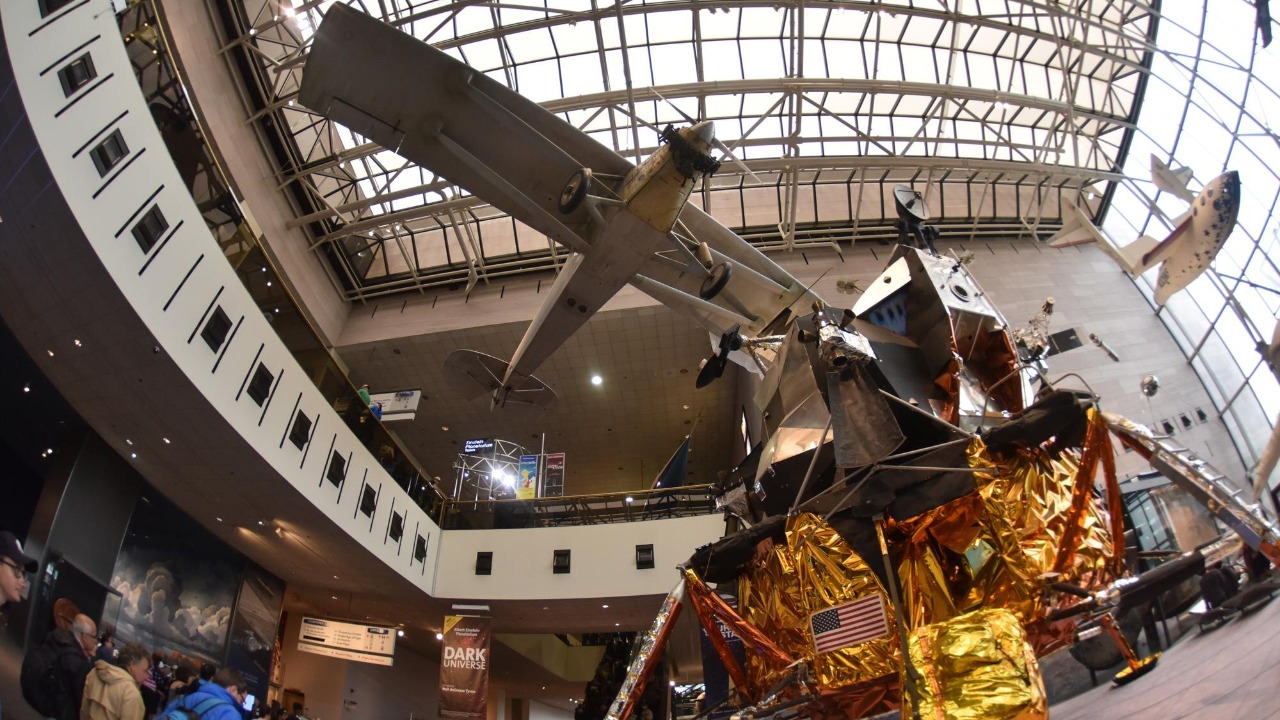

The Grand Palais in Paris emerged as the birthplace of global aeronautics and the modern airshow through its pioneering aviation exhibitions that drew international innovators and crowds. Its transformation from a monumental exhibition hall into a hub for flight technology displays helped launch the aviation era and shaped how the world encounters aircraft. Recent renovations have revitalized the site, signaling a renewed focus on its aeronautical heritage at a moment when global airshow standards and expectations are rapidly evolving.
Early Foundations of Aviation at the Grand Palais
The Grand Palais was constructed in 1900 as part of the Exposition Universelle, a showcase designed to project French industrial and artistic power at the dawn of the twentieth century. Conceived as a monumental exhibition space, it quickly became a natural stage for displays of cutting edge technology, including early experiments in flight that were beginning to capture public imagination. The building’s Beaux Arts façade and monumental scale were not just aesthetic statements, they were a deliberate invitation to host large scale demonstrations that could dramatize the promise of modernity for visitors from across Europe and beyond.
Inside, the expansive glass roofed nave created a vast, unobstructed volume that proved ideal for assembling and displaying fragile aircraft prototypes that could not easily be moved through smaller doors or cramped halls. According to reporting on the Grand Palais as the cradle of global aeronautics, this unique combination of height, light and floor space attracted engineers and designers who needed room to experiment with wingspans, control surfaces and early propulsion systems. The same architectural adaptability that had accommodated paintings, sculptures and industrial machines now enabled the first aviation focused gatherings, setting a precedent for specialized shows that would influence how manufacturers, governments and the public interacted with emerging flight technology.
The 1909 Paris Air Show: Launching Global Aeronautics
The inaugural Paris International Air Show held at the Grand Palais in 1909 marked a decisive shift from scattered demonstrations to a structured, global marketplace for aviation. Organizers brought together more than 200 aircraft and related exhibits under one roof, and the event drew 100,000 visitors in its opening days, a scale that signaled both intense curiosity and growing commercial stakes. By concentrating so many prototypes, engines and design philosophies in a single venue, the show created a de facto benchmark for what counted as serious aeronautical innovation, and it gave military buyers, investors and journalists a common reference point for comparing competing technologies.
Key exhibitors such as Louis Blériot used the 1909 show to cement reputations that had been forged in daring flights, including his cross Channel monoplane that had already captured public attention. Displaying that aircraft in the Grand Palais turned a singular achievement into a repeatable, inspectable product, and it helped standardize how aircraft were presented, labeled and evaluated at exhibitions worldwide. Alongside Blériot’s monoplane, early engines, dirigibles and structural experiments demonstrated that aeronautics was no longer a fringe pursuit but an integrated field with commercial, military and scientific dimensions. The Grand Palais, by hosting this concentrated display, effectively became the epicenter of aeronautical innovation, and the format it pioneered influenced later airshows from Farnborough to Le Bourget, where stakeholders still rely on similar combinations of static displays and technical briefings to make procurement and investment decisions.
Evolution of the Modern Airshow Format
In the years that followed the 1909 event, subsequent shows at the Grand Palais through the 1920s tracked the rapid evolution of aviation from experimental craft to essential infrastructure. Exhibitors began to highlight military aircraft that had been tested in conflict, alongside commercial designs aimed at passenger transport and cargo, reflecting the post World War I recovery and the reorientation of industrial capacity. The venue’s central location in Paris and its established reputation meant that governments and manufacturers could use the shows to signal strategic priorities, from air defense to civil aviation networks, and to court foreign delegations who were weighing which technologies to adopt.
Government sponsorships from France played a decisive role in elevating the airshow’s international prestige, turning it into a diplomatic as well as commercial platform. By underwriting exhibitions and encouraging national champions to display their latest aircraft and engines, French authorities helped shape global trade in aviation technology and positioned Paris as a neutral meeting ground for buyers and sellers. Over time, organizers added flight demonstrations over the Seine to complement the static displays inside the Grand Palais, creating a hybrid format that allowed visitors to see aircraft both up close and in action. That combination of technical inspection and live performance set precedents for today’s dynamic airshows, where aerial displays, safety protocols and crowd management are carefully choreographed to balance spectacle with the serious business of contracts, alliances and regulatory oversight.
Recent Revitalization and Ongoing Legacy
The reopening of the Grand Palais in 2024 after extensive renovations has renewed attention to its role in aviation history while equipping the building for contemporary events. Restoration work focused on recovering original Beaux Arts features, including the intricate ironwork and glass of the nave, while integrating modern infrastructure such as climate control, digital connectivity and modular staging systems. For curators and event organizers, this blend of heritage and technology creates new possibilities for aeronautics themed exhibits that can juxtapose early twentieth century prototypes with current aircraft models, simulators and interactive educational tools, reinforcing the narrative arc from the first airshows to present day aerospace.
Current organizers, including the Société du Grand Palais, are leveraging that history to host hybrid events that blend virtual and in person aviation showcases in the wake of the pandemic. Digital platforms now allow remote participants to explore high resolution models of aircraft, attend streamed conferences and interact with exhibitors, while on site visitors experience full scale installations and, when regulations permit, live demonstrations. Stakeholder engagement has also shifted, with increased emphasis on sustainable aviation technology displays that align with global environmental regulations and public pressure to decarbonize transport. Where earlier eras of the Grand Palais celebrated fossil fuel focused engines and raw performance, new programming highlights electric propulsion, hydrogen concepts and advanced materials, signaling that the birthplace of global aeronautics is adapting once again to define what the next generation of airshows, and aviation itself, should look like.