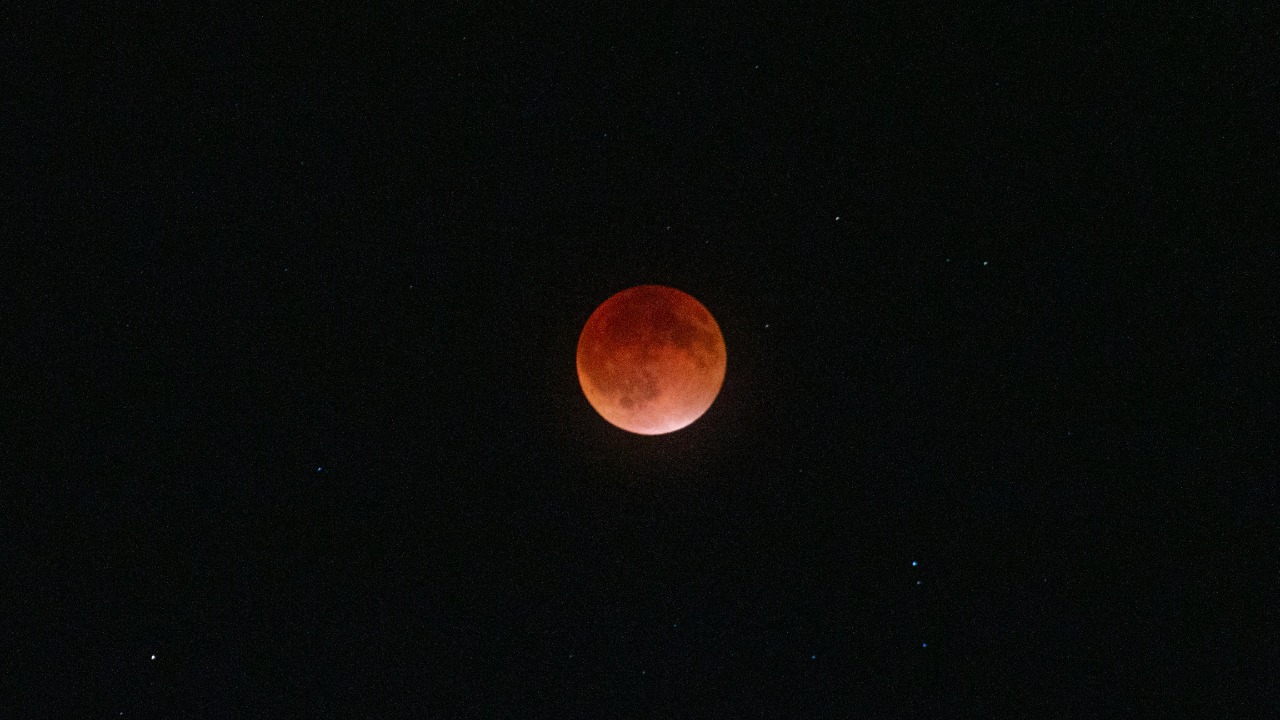

The Cold Moon is rising as the final supermoon of 2025, looming large above the horizon and closing out the lunar calendar with a striking winter spectacle. As the last full moon of the year, it is drawing skywatchers to parks, rooftops, and coastlines, where its towering glow is framed by long nights and crisp seasonal air. From California to colder northern latitudes, breathtaking images are already capturing the moon’s pale disk suspended over snowfields, city skylines, and quiet oceans, turning an ordinary weeknight into a global skywatching moment.
What Makes the Cold Moon Special
The name “Cold Moon” comes from traditional lunar calendars used by Native American communities, European observers, and colonial American farmers, who associated this full moon with the deepening chill and lengthening nights of early winter. Historical almanacs describe December’s full moon as a seasonal marker that signaled communities to prepare for harsher weather, dwindling daylight, and the practical realities of life in colder climates, a rhythm that still resonates for people who track the sky as a guide to the changing year. That cultural weight helps explain why the final full moon of 2025 is being treated not just as an astronomical event but as a symbolic turning point, a reminder of how closely human routines remain tied to the cycles of light and darkness.
What sets this particular Cold Moon apart is its status as a supermoon, when the moon reaches perigee and appears larger and brighter than an average full moon because it is closer to Earth in its elliptical orbit. Astronomers note that the 2025 Cold Moon is the last supermoon of the year and, because of its orbital geometry, it also climbs higher in the sky than earlier full moons, which makes it appear to “tower” above the horizon for observers at mid-northern latitudes. According to analysis of its path and elevation, the combination of perigee brightness and high altitude means this Cold Moon will stand out even against the glow of urban lighting, giving casual stargazers and dedicated astrophotographers a rare chance to see the lunar disk at its most commanding before the calendar turns.
Seven Reasons Not to Miss the Final Supermoon
Skywatching guides have highlighted seven key reasons to make time for the Cold Moon, starting with its rarity as the final supermoon of 2025 and the last full moon of the year. As explained in a detailed viewing guide on how to see the Cold Moon 2025, the event combines several favorable factors: a near-perigee distance that boosts brightness, a high arc across the sky that lengthens viewing time, and long winter nights that keep the moon visible for more hours than most summer full moons. For people who plan their observing around standout events rather than every monthly phase, that convergence means skipping this one could mean waiting many months for a similarly dramatic lunar display.
Other reasons on that seven-point list focus on accessibility and atmosphere, both literal and cultural. The Cold Moon’s timing in early winter means more families are at home in the evening, making it easier to step outside for a shared look without staying up into the small hours, and the season’s clearer, drier air often sharpens the moon’s edges compared with hazier summer nights. Guides also emphasize that the final supermoon offers a natural backdrop for end-of-year reflection and photography, from holiday lights under a bright lunar disk to quiet rural scenes where the moonlight alone illuminates frozen fields, giving communities a free, widely visible spectacle that can be enjoyed without special equipment or travel.
When and Where the Cold Moon Rises
According to lunar calendars that track each phase with precision, the December 2025 Cold Moon reaches its full phase in the evening, when the sun sets and the moon rises almost simultaneously, creating the classic “moon on the horizon” effect that makes it look especially large. A detailed breakdown of the timing in North America from a Cold Supermoon 2025 viewing guide notes that the peak occurs over several hours, giving observers in different time zones overlapping windows to catch the moon at or near full illumination. That spread means people across the United States, Europe, and much of the Northern Hemisphere can plan around local moonrise rather than a single, fleeting moment, which is particularly helpful for families and photographers trying to coordinate their schedules.
For viewers in California, the Cold Moon’s timing is especially favorable, with local reports explaining that the full moon rises tonight and remains prominent in the sky through much of the week. A regional forecast from a guide to the final supermoon in California for 2025 underscores that the moon will be visible shortly after sunset, climbing higher through the evening and offering repeated chances to see it between passing clouds. Because winter weather in parts of the state often brings clearer, cooler nights, the Cold Moon may appear crisper and more luminous than earlier full moons that had to contend with wildfire smoke or summer haze, a difference that matters for residents who want to see surface details like craters and maria without leaving their neighborhoods.
How to Catch the Best Views of the Supermoon
To make the most of the Cold Moon’s appearance, astronomers and experienced skywatchers recommend starting with a simple step: find an unobstructed view of the eastern horizon around local moonrise, when the moon’s apparent size is accentuated by the “moon illusion” as it hangs low over buildings, trees, or hills. Guidance compiled in a practical observing checklist on how to get a glimpse of tonight’s full Cold Moon suggests heading to open spaces such as beaches, hilltops, or city parks, where streetlights are less intense and the horizon is not blocked by tall structures. Even without telescopes, a pair of binoculars can dramatically enhance the view, revealing the contrast between the bright lunar highlands and the darker basalt plains that form the familiar face of the moon.
Photographers planning to capture the final supermoon of 2025 are being urged to think about composition as much as exposure, using foreground landmarks to emphasize the moon’s scale and height. A feature on how to frame and time shots in a gallery of breathtaking Cold Moon images highlights examples where the moon rises behind city skylines, mountain ridges, or lighthouses, turning a simple astronomical record into a dramatic landscape. Apps such as Stellarium, SkySafari, and PhotoPills can help users track the moon’s path and align it with specific locations, while advice from astrophotographers stresses the importance of avoiding bright streetlamps and billboards that can wash out the lunar disk, a concern that reflects broader debates about light pollution and its impact on night-sky visibility.
Why This Cold Supermoon Towers Highest
Beyond its brightness, the 2025 Cold Moon is drawing attention because it appears to tower higher in the sky than any other full moon this year, a result of how the moon’s orbit lines up with Earth’s tilt and seasonal position around the sun. An in-depth explanation from a report on why the final full moon of the year also towers highest notes that the December full moon occurs near the time of the winter solstice in the Northern Hemisphere, when the sun takes its lowest daily path and the full moon, which is opposite the sun, takes its highest. That geometry means the Cold Moon rides high overhead at midnight for many northern observers, spending more time well above the horizon and less time distorted by the thicker layers of atmosphere that can blur or redden its light.
Because this Cold Moon is also a supermoon, its elevated position amplifies the sense of scale, making it stand out even in light-polluted urban environments where fainter stars disappear from view. Analysts point out that the combination of high altitude and perigee brightness gives city dwellers a rare chance to see the moon with a clarity that usually requires darker rural skies, which is significant for people who may not have the means or time to travel to remote observing sites. That accessibility has implications for public engagement with astronomy, since a vivid, easily visible supermoon can spark curiosity about orbital mechanics, seasonal cycles, and the broader night sky in ways that quieter, less dramatic full moons often do not.
Stunning Images and Lasting Impact
Early images of the Cold Moon show it rising behind skyscrapers, bridges, and mountain ranges, its pale disk magnified by telephoto lenses and framed against deep blue or black winter skies. A curated collection of photographs in a feature on how to catch the final supermoon of 2025 illustrates how photographers around the world are using long exposures and careful timing to capture the moon’s reflection on lakes, snow, and ocean waves. Those visuals do more than document a celestial event; they also highlight the contrast between the steady, predictable rhythm of the lunar cycle and the rapid pace of human activity below, a juxtaposition that resonates strongly at the end of the year.
For many observers, the Cold Moon’s cultural significance is as important as its scientific interest, tying together traditions that stretch from Indigenous lunar names to modern almanacs that still list December’s full moon as a seasonal milestone. A fact sheet on December 2025 Cold Moon date, time, and facts notes that the moon’s timing near major winter holidays and the year’s close has long made it a symbol of reflection, rest, and preparation for the months ahead. As the last supermoon of 2025, it effectively wraps up a year of lunar highlights for amateur astronomers, photographers, and casual skywatchers alike, reinforcing how a single bright object in the night sky can connect people across regions, cultures, and time zones in a shared moment of looking up.