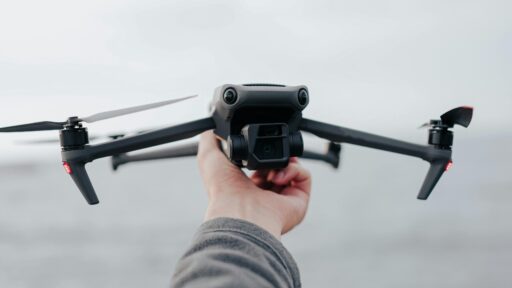
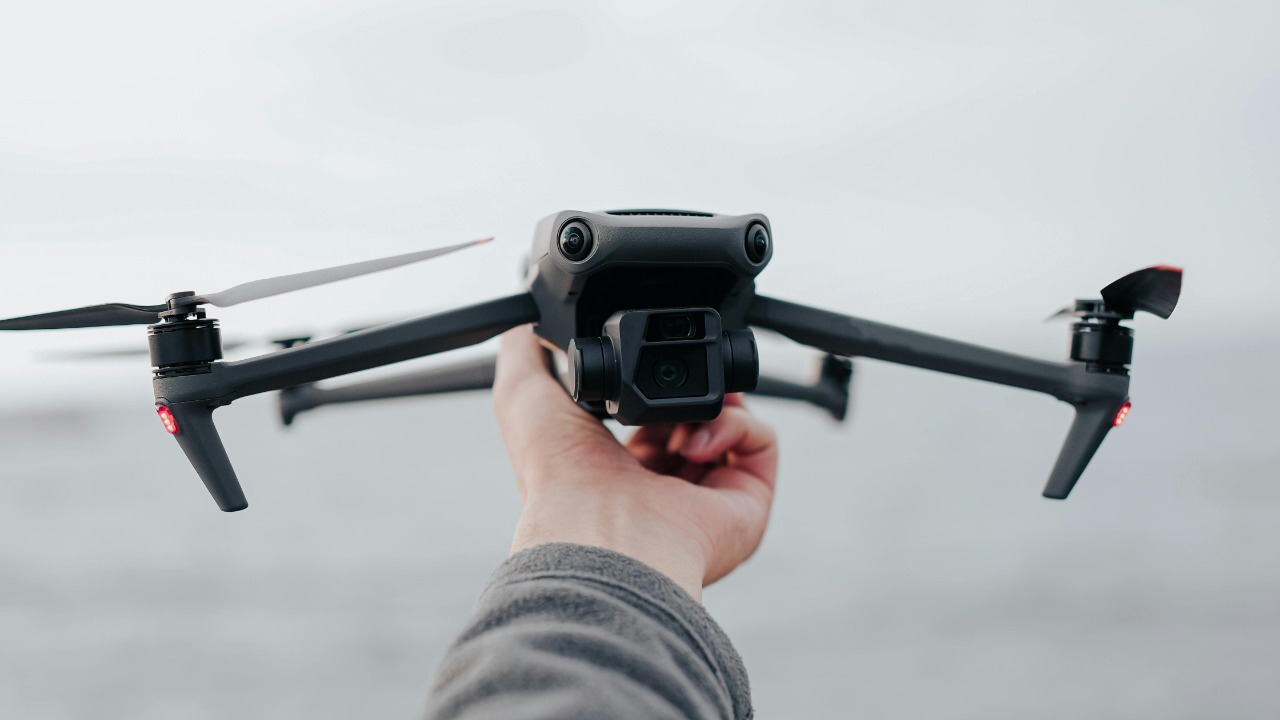

The Antigravity A1 arrives as the world’s first 360-degree camera drone, built to deliver FPV flying unlike anything else and positioned as a direct challenger to DJI at a moment when US regulators are weighing new restrictions on Chinese-made drones. Developed by Antigravity in partnership with Insta360, the A1 is locked in for a December 4 launch, giving pilots a concrete date to circle as DJI navigates mounting ban pressures in the United States. With its on-sale date approaching, the A1 is pitched as the device that could help creators and hobbyists shift their attention away from DJI’s long-standing dominance through immersive, full-sphere capture.
Antigravity A1: The World’s First 360-Degree Drone
The Antigravity A1 is described as the pioneering 360-degree camera drone, integrating Insta360 imaging hardware and software so that every flight can be recorded as a full-sphere video or photo session rather than a single forward-facing view. In early hands-on coverage, reviewers highlight that the A1 carries a dual-lens 360 camera at its core, allowing pilots to capture the entire environment around the aircraft and then decide later which angles to showcase, a workflow that traditional single-lens drones simply cannot match. By pairing Antigravity’s airframe with Insta360’s stitching and reframing tools, the system is designed to give creators a complete, edit-friendly bubble of footage instead of a narrow slice of the sky.
Unlike conventional camera drones that rely on a gimbal to mechanically tilt and pan the lens, the A1 uses its 360-degree capture to eliminate the need for in-flight framing adjustments, which is a key reason reviewers describe it as a new category rather than a minor tweak. Coverage of the aircraft notes that the drone’s structure is tuned for stability around that central camera module, with a frame and prop layout that keep the lenses clear of obstructions so the software can erase the drone from the shot and leave only the scene. That design choice has practical implications for pilots who want cinematic results without mastering gimbal control, since the A1 lets them focus on flying while the 360 system quietly records every possible angle for later editing.
Launch Date Locked for December 4
Antigravity has now locked in the Antigravity A1’s official launch date as December 4, ending speculation about when the world’s first 360 drone would actually reach buyers. Reporting on the rollout explains that the company has treated that date as a firm commitment rather than a tentative window, with internal timelines, marketing campaigns, and retail coordination all built around getting units into customers’ hands on that day. By putting a specific date on the calendar, Antigravity is signaling that the hardware, firmware, and distribution pieces are ready, which matters for creators who have been waiting to plan shoots and projects around the new platform.
Details on the launch schedule indicate that pre-orders and availability updates have been finalized, with Antigravity and its partners using the lead-up to December 4 to align inventory and support. Coverage of the launch strategy notes that this timing accelerates the A1’s market entry at a moment when rivals are dealing with external headwinds, particularly in the United States, where DJI is facing intensifying scrutiny. That sequencing gives Antigravity a chance to present the A1 as a ready-to-ship alternative just as some buyers are reconsidering their next drone purchase in light of regulatory uncertainty.
Unique FPV Flying Experience
Early reviews describe the Antigravity A1’s FPV flying capabilities as “unlike anything else,” emphasizing that the integrated 360-degree viewport fundamentally changes how pilots experience a flight. In coverage of the aircraft’s behavior in the air, testers report that the drone delivers responsive controls and a high-resolution live feed that can be viewed in goggles or on a screen, with the 360 capture allowing pilots to look around the scene rather than being locked to a single forward-facing camera. That flexibility means a pilot can bank through a gap, then later reframe the footage to show the maneuver from above, behind, or even from a virtual chase-cam perspective, all from the same raw clip.
Analysis of the A1’s workflow highlights how powerful this is for content creators, since they can treat each flight as a multi-camera shoot that can be reframed in post without reshooting. Reviewers point out that the Insta360 integration lets users drag a virtual camera around the 360 sphere in editing apps, creating vertical clips for TikTok, horizontal sequences for YouTube, and square cuts for Instagram from a single flight. That approach reduces the pressure to nail framing in real time and lowers the barrier to cinematic FPV footage, which is particularly significant for solo operators and small teams who want dynamic aerial shots without the complexity of dual-operator rigs.
DJI’s Mounting Ban Pressures
While Antigravity prepares to ship the A1, DJI is contending with mounting ban pressures in the United States, where lawmakers and regulators are weighing restrictions on Chinese-made drones over national security concerns. Detailed explainers on the situation describe how proposed measures could limit or block the use of DJI aircraft by federal agencies and potentially influence state and local procurement, with some proposals going further by targeting sales in the broader consumer market. The reporting notes that these efforts are driven by worries about data flows and supply chain dependencies, which have turned DJI into a focal point in a wider debate about critical technology sourced from China.
Coverage of the policy fight explains that DJI has scrambled to respond through lobbying campaigns, public statements, and product positioning aimed at reassuring US stakeholders that its drones are safe to deploy. Analysts point out that even before any final rules are enacted, the prospect of a DJI drone ban is already affecting purchasing decisions, as agencies and some commercial operators look for alternatives that will not be caught up in future restrictions. That uncertainty creates an opening for platforms like the Antigravity A1, which can present themselves as fresh options for pilots who want to avoid regulatory turbulence while still accessing advanced imaging and FPV capabilities.
US Release and Availability Details
Antigravity is aligning the A1’s US release with mainstream retail channels, with reporting confirming that the drone will be available through Best Buy for immediate purchase starting December 4. Coverage of the rollout strategy notes that placing the A1 on shelves at a major electronics retailer is a deliberate move to reach both enthusiasts and casual buyers who might otherwise default to DJI when browsing for a drone. By pairing that visibility with the novelty of a 360-degree camera platform, Antigravity is positioning the A1 as a standout option for shoppers who want something different from the familiar Mavic-style designs that have dominated the category.
Pricing information in early previews describes the A1 as being set at a competitive level intended to attract DJI switchers, with the cost framed as reasonable given the inclusion of a full 360 camera system and FPV-ready flight hardware in a single package. Analysts covering the launch argue that the on-sale date’s proximity to the holiday season is not accidental, since Antigravity and its retail partners are preparing stock to meet demand from gift buyers and creators looking to upgrade their gear before the new year. For US consumers weighing whether to buy another DJI quadcopter amid talk of bans or to try a new platform, the A1’s combination of price, availability at Best Buy, and unique 360 capabilities could make it a timely alternative.
Why the A1 Matters in a Shifting Drone Market
Context from broader drone coverage underscores why the Antigravity A1’s arrival is more than a niche product launch, since it intersects with both creative trends and geopolitical pressures. Detailed reviews of the aircraft, such as the assessment that calls it an FPV drone “unlike anything else”, argue that its 360-first design could influence how future drones handle framing and post-production. At the same time, product previews that frame it as the world’s first 360-degree camera drone with a firm on-sale date highlight how quickly Antigravity and Insta360 have moved to commercialize the concept, rather than leaving it as a prototype.
Launch coverage that focuses on timing, such as the report that the Antigravity A1 drone launch date is locked for December 4, ties that speed to DJI’s current challenges, suggesting that Antigravity is intentionally stepping into a vacuum created by regulatory uncertainty. Retail-focused reporting that notes the A1 will be sold through Best Buy and pitched as a way to help US buyers “forget DJI” reinforces that competitive framing, while policy explainers on how a DJI drone ban looks increasingly likely spell out the stakes for the broader market. Taken together, the A1’s 360-degree capture, FPV focus, and carefully timed US launch show how quickly the drone landscape is evolving as new players respond to both creative demands and political pressure.