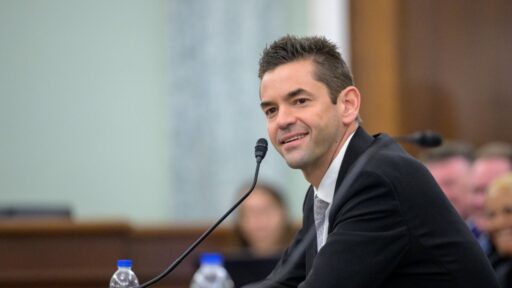
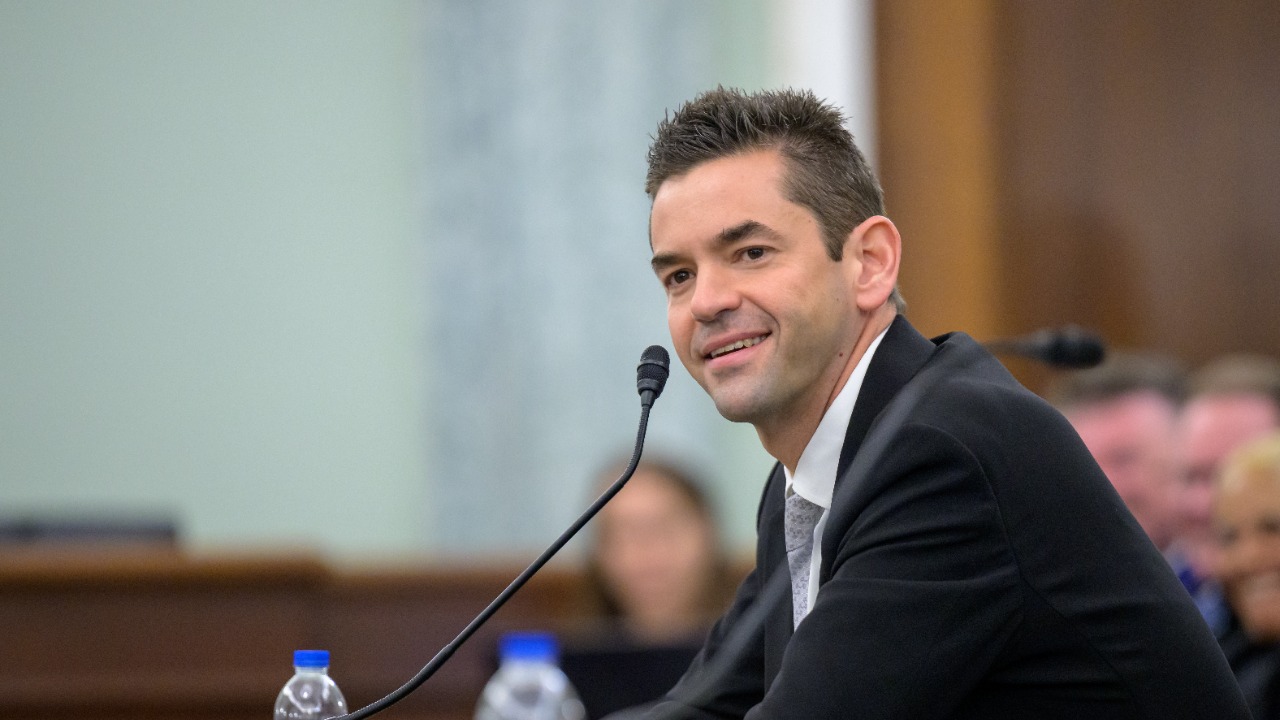

Jared Isaacman, the billionaire entrepreneur and founder of Shift4 Payments, is returning to Capitol Hill to advocate for NASA’s priorities amid ongoing debates over the agency’s direction. His testimony before lawmakers highlights the urgency of stable funding and clear vision for U.S. space exploration, as recent budget uncertainties threaten key programs. This visit marks a pivotal moment for stakeholders pushing back against proposed cuts that could reshape NASA’s role in commercial spaceflight.
Isaacman’s Advocacy Roots
Jared Isaacman built his public profile as a private astronaut who commanded the Inspiration4 mission in 2021 and later led the Polaris Dawn flight in 2024, experiences that moved him from purely commercial ventures into the center of national space policy debates. Those missions, which paired cutting-edge commercial spacecraft with ambitious scientific and philanthropic goals, gave him first-hand insight into how NASA’s decisions on crewed exploration, safety standards, and technology priorities ripple through the broader ecosystem of launch providers, contractors, and research institutions. By returning to Capitol Hill, Isaacman is drawing directly on that operational background to argue that NASA’s long-term exploration roadmap cannot be separated from the health of the commercial programs that helped make his own flights possible.
Earlier appearances before lawmakers, including hearings focused on public-private partnerships in orbit and the role of commercial crew services, positioned Isaacman as a bridge between entrepreneurial risk-taking and government oversight. Members of key committees have treated his testimony as a case study in how private capital can accelerate innovation when NASA provides predictable requirements and multi-year commitments, rather than short-term, stop‑start contracts. That history, combined with his entrepreneurial success building Shift4 Payments into a major payments processor and his subsequent investments in space technology, explains why lawmakers now see him as a central voice in current hearings on NASA’s future direction, a role highlighted in detailed reporting on how Isaacman returns to Capitol Hill as NASA’s future direction hangs in the balance.
Recent Shifts in NASA’s Landscape
Congressional budget proposals in the current cycle have introduced new volatility into NASA’s funding profile, signaling a departure from the relatively steady bipartisan backing that previously insulated programs like Artemis and commercial crew from sharp year‑to‑year swings. According to the latest debates described in the Capitol Hill schedule, appropriators are weighing reductions that would slow or defer work on lunar surface systems, advanced propulsion, and technology demonstrations that underpin both government and commercial missions. For NASA’s partners, the prospect of mid‑program cuts raises the risk that carefully sequenced development timelines will be broken, leaving companies with stranded investments and undermining the confidence that has drawn private capital into low Earth orbit and beyond.
At the same time, delays in key milestones such as the Space Launch System development have amplified calls inside Congress for reform of how NASA manages its largest projects, with some lawmakers questioning whether legacy architectures are crowding out newer commercial approaches. Those schedule slips have become a focal point for critics who argue that cost overruns and shifting launch dates weaken the case for maintaining current funding levels, even as supporters warn that cutting now would only compound technical and schedule risk. Industry leaders, facing this uncertainty, have stepped up their lobbying efforts compared with more stable budget periods, pressing lawmakers to recognize that abrupt changes in NASA’s topline do not just affect headline missions but also the supply chains, regional workforces, and research partnerships that depend on them.
Key Issues in Capitol Hill Hearings
The hearings that bring Isaacman back before Congress are centered on how to balance NASA’s civil space goals with the rapid expansion of commercial innovation, a tension that runs through questions about who should lead in areas like crew transportation, lunar logistics, and in‑space servicing. Lawmakers are probing whether NASA should continue to act as the primary architect of exploration campaigns or shift more responsibility to private operators, with the agency setting high‑level objectives and safety standards while industry handles design and execution. Isaacman’s testimony, grounded in his experience flying commercially built spacecraft under NASA‑influenced safety regimes, is expected to underscore that the most resilient model is one in which government and industry share risk and reward, rather than reverting to a purely government‑led approach or fully outsourcing critical capabilities.
Specific concerns over program cuts are shaping the questioning, particularly around the transition from the International Space Station to a new generation of commercial space stations and the long‑term roadmap for Mars exploration. Members are asking NASA officials and outside witnesses how reduced funding would affect plans to maintain continuous human presence in low Earth orbit, a prerequisite for testing life‑support systems, radiation protection, and operational concepts needed for deep‑space missions. Isaacman’s input could prove influential as committees approach fiscal year deadlines that will lock in spending levels for the next cycle, because he can speak directly to how contract uncertainty affects decisions on whether to green‑light new spacecraft, training pipelines, and research payloads that must be planned years in advance.
Broader Implications for Space Policy
The broader stakes of the current debate extend well beyond any single mission, touching on U.S. competitiveness in space and the country’s ability to shape norms for commercial activity in orbit and on other celestial bodies. Isaacman has warned that if NASA’s direction remains unresolved, the United States risks losing momentum at a moment when other spacefaring nations are accelerating their own lunar and planetary programs, often with heavy state backing. For companies that have aligned their business plans with NASA’s exploration timelines, prolonged ambiguity could mean shelving projects, redirecting investment to non‑space sectors, or seeking partnerships with foreign agencies that offer more predictable support, outcomes that would dilute the strategic advantages the United States has built through decades of civil space leadership.
Reactions from NASA administrators and the congressional committees overseeing the agency reflect a subtle but important shift in rhetoric, with more emphasis on “prioritization” and “trade‑offs” than in earlier years of the Artemis era. Agency leaders are signaling that, if forced to operate under tighter caps, they will have to choose between sustaining legacy infrastructure, accelerating new commercial partnerships, and funding ambitious science missions that do not have immediate commercial payoffs. How those choices are resolved will shape the pace and character of collaborations with companies like SpaceX and other commercial providers, either accelerating joint projects if funding debates are settled in favor of stable multi‑year commitments, or slowing them if uncertainty persists and both sides hesitate to make long‑term bets.