

Jose Zamora Yrala, director of AOG Technics, has pleaded guilty to fraud involving the sale of fake aircraft parts that led to grounded jets and disrupted flights. His admission marks a decisive turn in a scandal that has shaken confidence in aviation supply chains and exposed how counterfeit components can infiltrate critical engine systems.
The case confirms that bogus parts were not an abstract risk but a concrete threat that forced airlines to pull aircraft from service and recheck maintenance records across their fleets. It also raises urgent questions about how regulators, manufacturers and operators will close the gaps that allowed AOG Technics to operate for so long without detection.
The Fraudulent Operations of AOG Technics
AOG Technics built its business by supplying counterfeit aircraft parts that were passed off as legitimate components for commercial jet engines, according to detailed fraud allegations that culminated in the guilty plea of director Jose Zamora Yrala. Investigators found that the company’s catalogue included items represented as airworthy spares for high demand engine types, even though the underlying parts lacked the traceable history and approvals required in regulated aviation markets. By inserting these items into the global parts trade, the company turned safety critical hardware into a vehicle for fraud, with airlines and maintenance providers relying on documentation that has now been exposed as false.
The fraudulent model depended on misrepresenting bogus components as genuine to clients across the aviation sector, with AOG Technics presenting itself as a legitimate source of urgently needed spares for grounded aircraft. According to reporting on the case, Zamora Yrala’s operation used falsified paperwork and misleading certifications to make unapproved parts appear indistinguishable from those supplied through authorised channels, a tactic that allowed the company to sell fake plane parts into maintenance pipelines that normally rely on strict quality controls. The stakes for operators were immediate and severe, because any part installed on an engine without proper provenance can undermine airworthiness and force expensive inspections, removals and replacements once the deception is uncovered.
Investigation and Charges Against Zamora Yrala
The probe into AOG Technics began with mounting concerns over irregular documentation attached to engine components, which prompted closer scrutiny of the company’s role in the parts market and eventually led to formal fraud charges against its director. As regulators and industry stakeholders compared serial numbers, certificates and maintenance records, they identified patterns that pointed back to a single supplier, triggering a wider investigation into how many engines might have been affected. That process, described in coverage of the scandal, shows how a series of technical red flags evolved into a criminal case that placed Zamora Yrala personally at the centre of the alleged scheme.
Evidence gathered during the inquiry included documentation of counterfeit sales that directly implicated the AOG Technics director as the key figure behind the supply of bogus components, according to a detailed account of how the case developed in reporting on the fraud that grounded flights. Investigators traced falsified certificates and mislabelled parts back to company records, building a picture of a deliberate effort to profit from the sale of unapproved hardware into safety critical systems. The shift from suspicion to a full fraud indictment underscores how seriously authorities now treat documentation anomalies in aviation, and it signals to other suppliers that similar practices are likely to trigger criminal exposure rather than quiet administrative corrections.
Impact on Airlines and Grounded Flights
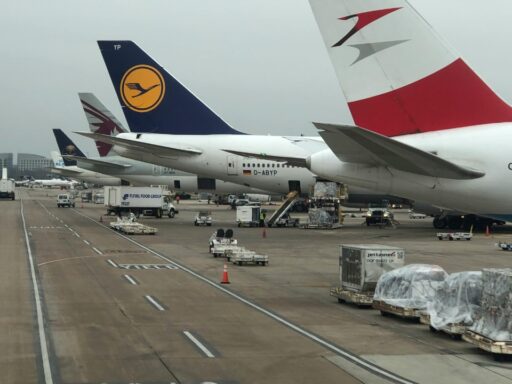
The discovery of fake parts linked to AOG Technics forced airlines to ground jets while they checked whether affected components had been installed on their fleets, a disruption that rippled through schedules and stranded passengers. According to detailed coverage of the scandal in reporting on the fake aircraft parts scam that grounded jets, carriers had to pull aircraft from service to inspect engines and verify that every suspect part was identified, removed and replaced with properly certified hardware. That process not only reduced available capacity but also diverted maintenance resources, illustrating how a single fraudulent supplier can create operational chaos far beyond its own balance sheet.
The immediate fallout for airlines included flight cancellations and schedule changes tied directly to the discovery of bogus components that had slipped into their maintenance pipelines, as detailed in the account of how Zamora Yrala’s actions led to grounded flights and disrupted operations. Each grounded jet represented lost revenue, reputational damage and a renewed focus on the integrity of supplier vetting processes, with carriers forced to explain to regulators and passengers how counterfeit parts had been installed in the first place. The episode has already prompted a reassessment of aviation safety protocols, with operators and oversight bodies examining how to tighten documentation checks and supplier audits so that similar scams are detected before they reach the runway.
The Guilty Plea and Legal Ramifications
In court, Jose Zamora Yrala admitted guilt in the major aircraft parts fraud case, acknowledging his role in the scheme that supplied fake components into the aviation market. Coverage of the hearing in reporting on the director’s guilty plea in the aircraft parts fraud case describes how the AOG Technics boss faced detailed allegations about falsified documentation and misrepresented parts, and ultimately chose to plead guilty rather than contest the evidence. That admission provides legal confirmation of what airlines and regulators had already concluded from their own investigations, and it gives affected stakeholders a clearer basis for pursuing civil claims and recovery efforts.
The guilty plea opens the door to significant penalties for Zamora Yrala and potentially severe consequences for AOG Technics as a company, including financial sanctions and restrictions on future activity in regulated markets, as outlined in analysis of the fraud’s impact on the business in coverage of the director’s guilty plea over fake plane parts sales. Legal experts cited in that reporting note that the case also strengthens the hand of engine manufacturers and airlines seeking compensation for the costs of inspections, replacements and grounded aircraft, while regulators are likely to use the outcome as a reference point when setting expectations for supplier oversight. By resolving key investigative threads that once revolved around suspicion and incomplete data, the conviction clarifies accountability and signals that similar misconduct in the aviation supply chain will attract robust criminal enforcement.
Counterfeit Engine Parts and Supply Chain Vulnerabilities
Beyond the courtroom, the AOG Technics scandal has highlighted how counterfeit engine parts can evade standard certifications and infiltrate even tightly regulated sectors. Detailed reporting on the case in coverage of fake parts supplied for CFM engines explains how bogus components were associated with CFM engines, a widely used powerplant on commercial aircraft, raising concerns that the impact of the fraud extended across multiple airlines and maintenance organisations. The fact that unapproved parts could be linked to such a prominent engine family underscores the scale of the vulnerability and has prompted calls for more robust cross checking of serial numbers, certificates and supplier histories.
The exposure of these weaknesses has already influenced how industry stakeholders think about risk in the aviation supply chain, with operators and regulators reassessing the balance between efficiency and verification. As summarised in analysis of the scandal’s broader implications in reporting on the fraud over fake plane parts sales, the AOG Technics case is being treated as a catalyst for tighter controls, more frequent audits and better information sharing between manufacturers, maintenance providers and authorities. I see the guilty plea not only as the resolution of a specific criminal case but also as a turning point that is likely to reshape how the aviation industry polices its own supply chains, with the goal of ensuring that no future operator has to ground jets because of a supplier’s deception.