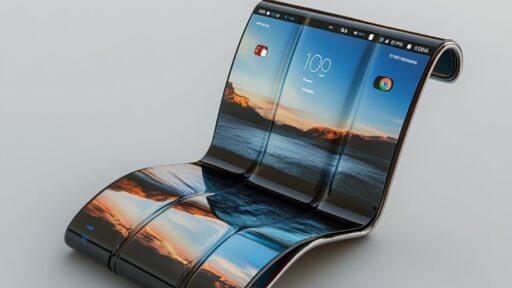
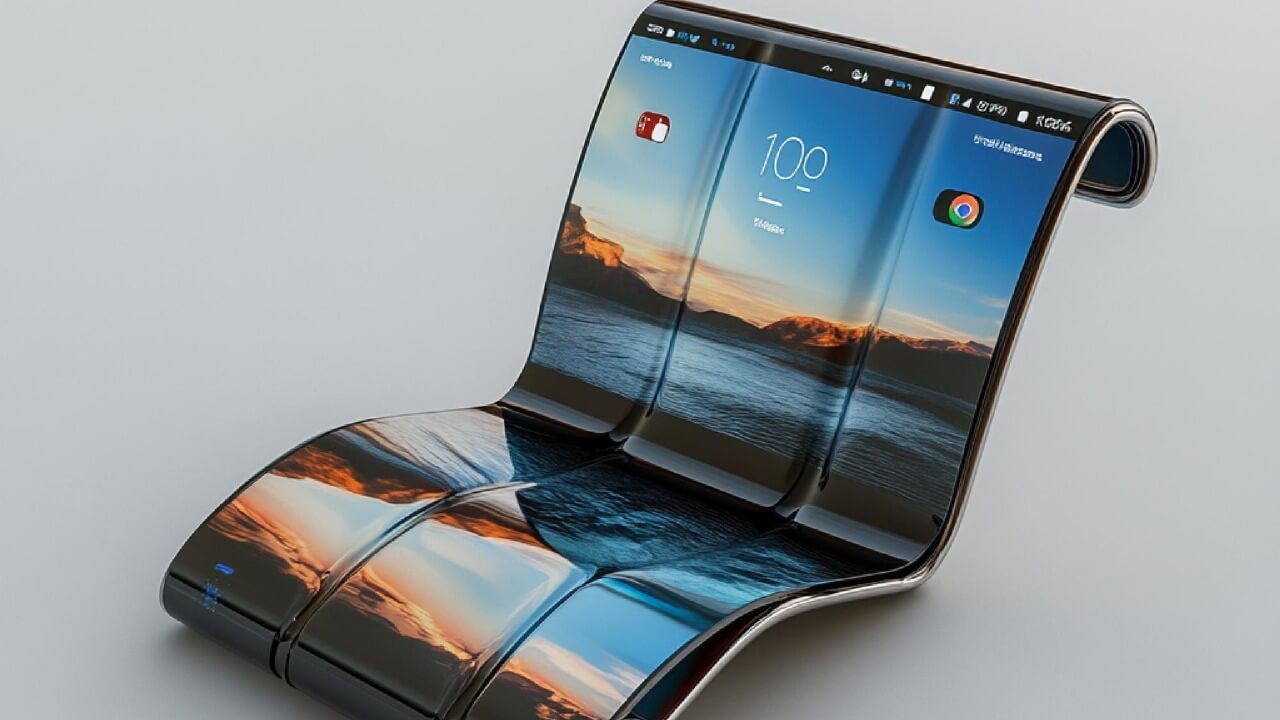

Samsung has unveiled its first multi-folding phone, marking a significant advancement in foldable technology as competition in the smartphone market is set to intensify. Positioned as a special edition triple-folding phone, the device introduces a new form factor that moves beyond the dual-fold designs that have defined the company’s Galaxy Z series. The launch on December 2, 2025, signals a deliberate push by Samsung to differentiate its premium hardware as rival manufacturers race to define the next phase of mobile innovation.
Samsung’s Announcement Details
Samsung’s decision to unveil its first multi-folding phone is being treated inside the industry as a pivotal moment in the evolution of mobile hardware, because it shifts the focus from incremental hinge refinements to a fundamentally different layout. The company framed the device as its first multi-panel folding handset, a move that aligns with its long-running strategy of using foldables to anchor the high end of its portfolio and to showcase display technology that competitors cannot easily match. By formally presenting the model as a triple-folding device, Samsung is signaling that it sees value in expanding beyond the book-style and clamshell formats that have dominated its earlier foldable launches.
At the same time, Samsung has labeled the new model a “special edition” triple-folding phone, a designation that underscores its positioning as a limited or premium product rather than a mass-market replacement for existing Galaxy Z devices. That framing suggests the company is using this release to test appetite for a more complex form factor among early adopters and high-spending customers, while preserving flexibility to adjust pricing, production volumes, and feature sets in future iterations. For stakeholders across the supply chain, from component makers to app developers, the special edition label also hints that Samsung is treating this launch as a controlled experiment in how far the market is ready to move toward multi-panel designs.
Technical Advancements in Multi-Folding
The core technical leap in Samsung’s new device lies in its triple-folding mechanism, which represents the company’s first entry into multi-panel folding after years of refining single and dual-fold predecessors. Instead of relying on a single hinge to convert a phone-sized screen into a tablet-like surface, the new design uses multiple folding segments to create a more modular layout that can shift between compact and expanded modes. By stepping into multi-folding hardware, Samsung is attempting to solve long-standing trade-offs in foldables, such as how to balance pocketability, durability, and screen size without forcing users to accept a single compromise-heavy configuration.
According to the unveiling, the special edition triple-folding phone is engineered to expand screen real estate in ways that conventional dual-fold devices cannot, opening up more flexible arrangements for multitasking and media. When fully unfolded, the multi-panel display is intended to provide a larger canvas for productivity apps, streaming services, and gaming, while intermediate folding positions can support split-screen workflows that treat each panel as a semi-independent zone. For consumers and developers, that expanded usability raises the stakes around software optimization, because the value of the hardware will depend on how well Android interfaces, popular apps like Microsoft Office and Netflix, and Samsung’s own One UI adapt to a screen that can present three distinct surfaces in a single device.
Impact on Market Competition
Samsung’s move into multi-folding hardware arrives at a moment when the competition is set to heat up across the foldable smartphone market, with rivals racing to differentiate their own premium offerings. By revealing a triple-folding phone ahead of many competitors’ expected product cycles, Samsung is attempting to seize the narrative around what the next generation of foldables should look like, rather than waiting to respond to designs from Chinese manufacturers or from other Android brands. That timing matters for investors and carriers, because it positions Samsung as a first mover in a category that could shape upgrade decisions among high-end users over the next several years.
The launch also shifts stakeholder dynamics by raising the bar for what counts as innovation in foldable devices, effectively challenging competitors to match or exceed a multi-panel design if they want to claim leadership in the segment. Hardware makers that have focused on single-hinge foldables now face pressure to accelerate their own multi-folding research or risk being perceived as followers, while display suppliers and hinge manufacturers must decide whether to invest in more complex components that can support similar designs. For app developers and ecosystem partners, Samsung’s triple-folding innovation signals that they may need to design interfaces that can gracefully span three panels, which could favor companies that move quickly to optimize for the new layout.
Future Implications for Consumers
For consumers, Samsung’s first multi-folding phone could become a key test of whether advanced foldables can move beyond niche status and into a broader premium audience. The special edition framing indicates that Samsung is deliberately using this model to gauge how much buyers are willing to pay for a triple-folding form factor, how they actually use the expanded screen space, and whether concerns about durability or complexity outweigh the benefits of a more versatile device. If early adopters respond positively, that feedback is likely to influence how aggressively Samsung integrates multi-folding concepts into future mainstream models, potentially reshaping what a flagship smartphone looks like in the second half of the decade.
The shift from the dual-fold Galaxy Z series to a triple-folding design also signals a broader change in how Samsung envisions the role of a phone in the premium segment, moving it closer to a hybrid device that can stand in for a small tablet or even a lightweight laptop in some scenarios. As the company refines its foldable roadmap ahead of typical annual cycles, consumers could see more emphasis on features that take advantage of the larger, more flexible canvas, such as enhanced multitasking, improved stylus support, or desktop-style interfaces when the device is fully unfolded. For buyers weighing whether to upgrade from a traditional slab phone or an earlier foldable, the emergence of multi-folding hardware may expand the range of use cases that justify paying for a top-tier device, while also prompting questions about long-term software support and repairability in a more intricate form factor.