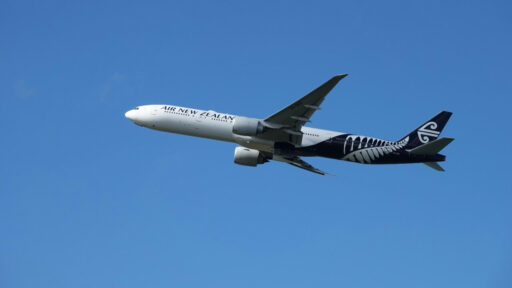
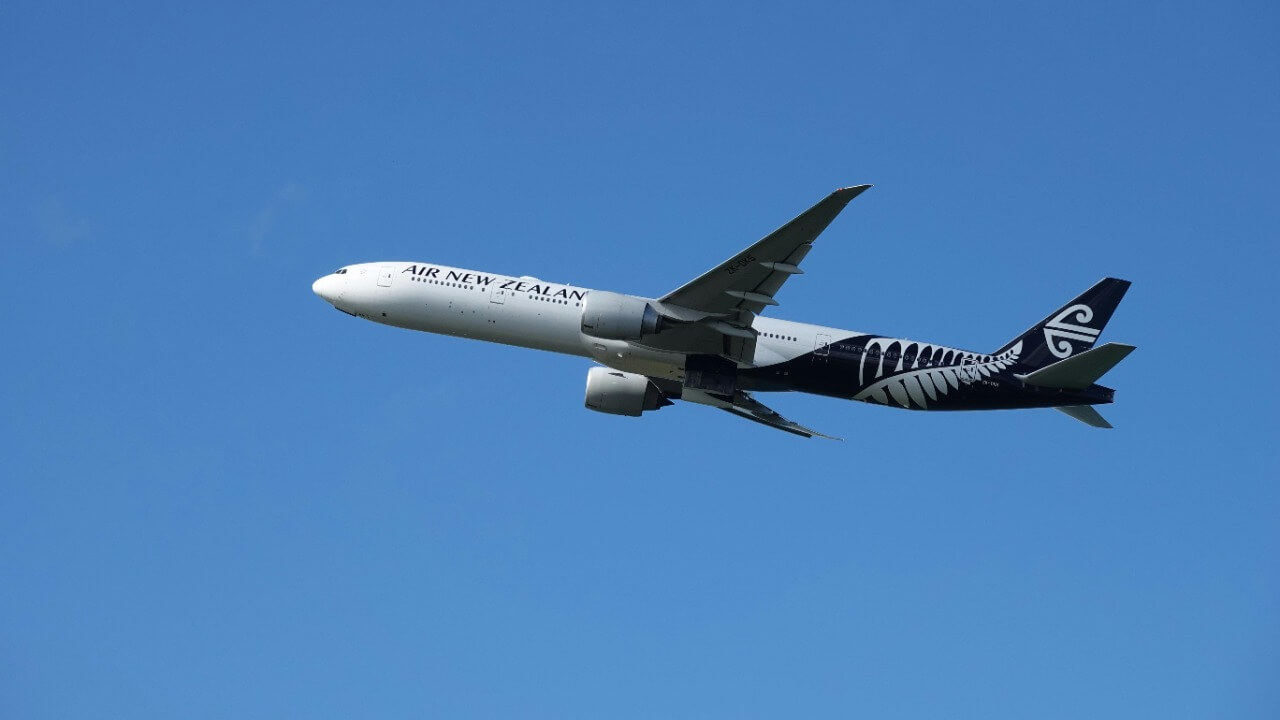

Air New Zealand has issued a travel alert warning passengers of potential disruptions as 1,200 cabin crew members, represented by the New Zealand Air Line Pilots’ Association and other unions, prepare to strike on December 8 over stalled negotiations on pay, working conditions, and roster instability. The planned industrial action follows months of failed talks and marks an escalation from earlier considerations of strike action announced in mid-November, with the airline now formally advising customers that international services could be affected during the peak holiday period.
The strike threat is already casting a shadow over New Zealand’s crucial summer travel window, with international flights and connecting itineraries at risk of delays or cancellations and flow-on effects expected for tourism and hospitality operators that rely on steady visitor arrivals.
Early Signs of Industrial Tension
Air New Zealand first acknowledged that cabin crew were considering strike action when it publicly confirmed that possibility in mid-November, signalling to passengers that labor tensions had moved beyond internal negotiations and into the realm of potential service disruption. Reporting on that initial alert, including coverage that cabin crew were weighing industrial options over unresolved pay and conditions issues, framed it as the first formal sign that the airline’s relationship with key frontline staff was under serious strain, with the prospect of action timed uncomfortably close to the busy holiday season.
As those early warnings emerged, the negotiations between the airline and unions began to falter, and crew representatives voiced frustration that long-running concerns about pay, rosters and fatigue were not being addressed in a way they considered credible. Coverage of Air New Zealand’s statement that cabin crew were actively considering a strike, including detailed reporting in initial alerts about potential industrial action, highlighted the growing risk of disruption for passengers who had already booked international trips, underscoring how quickly a stalled bargaining process can translate into uncertainty for travelers and the wider economy.
Escalation in Union Demands
The situation escalated sharply when 1,200 cabin crew, represented by the New Zealand Air Line Pilots’ Association and other unions, demanded concrete movement on pay increases, improved working conditions and fixes to roster instability after talks with Air New Zealand management stalled. According to detailed coverage of the dispute, including a report that Air New Zealand faces a growing strike threat as twelve hundred cabin crew demand action, union representatives framed their position as a response to long-standing grievances rather than a short-term tactic, pointing to the cumulative impact of unpredictable scheduling and what they describe as inadequate compensation in a high-cost environment.
Union leaders have stressed that roster instability is not just a workplace issue but a safety and service concern, arguing that fatigue from irregular hours and last-minute changes can affect both staff wellbeing and the passenger experience. The stalled negotiations, which persisted despite multiple rounds of discussions and mediation attempts, were identified in that same reporting as the key trigger for the escalation, with the unions signalling that without a credible offer on pay and rosters, they were prepared to use industrial action that could significantly disrupt international operations and test customer loyalty at a time when the airline is still rebuilding its reputation.
Official Strike Announcement
The dispute moved into a new phase when Air New Zealand confirmed that cabin crew would proceed with strike action in December, prompting the airline to issue formal travel advisories and begin contingency planning. Coverage of that confirmation, including a detailed report that Air NZ cabin crew are set to strike in December, noted that unions had voted overwhelmingly to authorize the industrial action after mediation failed to produce a breakthrough, locking in December 8 as a day of significant risk for international services departing from hubs such as Auckland.
On the same day that the strike was confirmed, business commentator Bruce Cotterill used a widely read column to argue that Air New Zealand’s leadership needed to focus more directly on reliability and frontline realities, warning that ongoing disputes could erode customer loyalty if not resolved quickly. In that analysis, Cotterill urged the airline’s chief executive to spend more time experiencing the network as a passenger, with his piece on why Air New Zealand must fix reliability before loyalty runs out arguing that repeated disruptions, whether from operational issues or industrial disputes, risk pushing even long-standing customers to consider rival carriers.
Strike Logistics and Immediate Impacts
The strike is scheduled for December 8 and is expected to focus on international routes, with particular attention on long-haul services that rely heavily on the 1,200 cabin crew involved in the dispute. Reporting that sets out what passengers need to know, including a detailed advisory on potential disruptions to international flights, tourism and hospitality from the December 8 strike, notes that flights departing from major New Zealand hubs such as Auckland are most at risk of cancellations or significant delays, with knock-on effects likely for connecting itineraries across Asia, North America and the Pacific.
In response, Air New Zealand has issued a travel alert advising passengers to monitor flight statuses closely, consider rebooking where possible and prepare contingency plans in case services are disrupted, while the airline works on contingency staffing and schedule adjustments to keep as many flights operating as it can. The same advisory outlines early preparations that include guidance on refund policies, options to move travel dates and information on alternative routes, reflecting the time-sensitive nature of the holiday travel window and the need for travelers, tour operators and corporate clients to make decisions quickly in order to minimise financial and logistical fallout.
Wider Effects on Economy and Travelers
Beyond the immediate impact on flight schedules, the December 8 strike has the potential to hit New Zealand’s tourism and hospitality sectors at a critical moment, with inbound international flights at risk during the peak summer season. Industry-focused reporting on the strike’s broader implications, including the analysis of how disruptions could affect tourism and hospitality, warns that hotels, tour operators and local businesses that depend on steady visitor inflows could face revenue losses estimated in the millions if large numbers of travellers are forced to cancel or shorten their stays.
Travelers are being urged to stay closely informed through official airline channels and government advisories, a message that aligns with broader trends in global aviation where sudden disruptions, whether from strikes or security concerns, can quickly reshape itineraries. Recent coverage of how the US Embassy in Japan issued a new travel warning illustrates how quickly official guidance can change and how important it is for passengers to track updates in real time, and the Air New Zealand dispute is reinforcing that lesson for those planning long-haul trips into or out of the country.
What Passengers Should Do Now
For passengers booked to travel around December 8, the most immediate priority is to confirm whether their flight is among those potentially affected and to understand the options available if schedules change at short notice. Detailed strike coverage, including the report that twelve hundred cabin crew are driving the industrial action over pay, working conditions and roster instability, makes clear that international services are the primary focus, so travellers on long-haul routes should pay particular attention to airline emails, app notifications and airport departure boards in the days leading up to the strike.
Passengers who have flexibility are being encouraged by travel advisers to consider shifting their trips away from the strike date, while those who must travel on or near December 8 are advised to build in extra time for connections, have backup accommodation options and keep documentation of any additional costs that might be eligible for reimbursement under Air New Zealand’s policies. As the dispute unfolds, the way the airline handles rebooking, refunds and communication will be closely watched by both customers and industry analysts, who see the episode as a test of whether Air New Zealand can balance its obligations to staff with the need to maintain confidence among the international travellers who underpin much of New Zealand’s tourism economy.