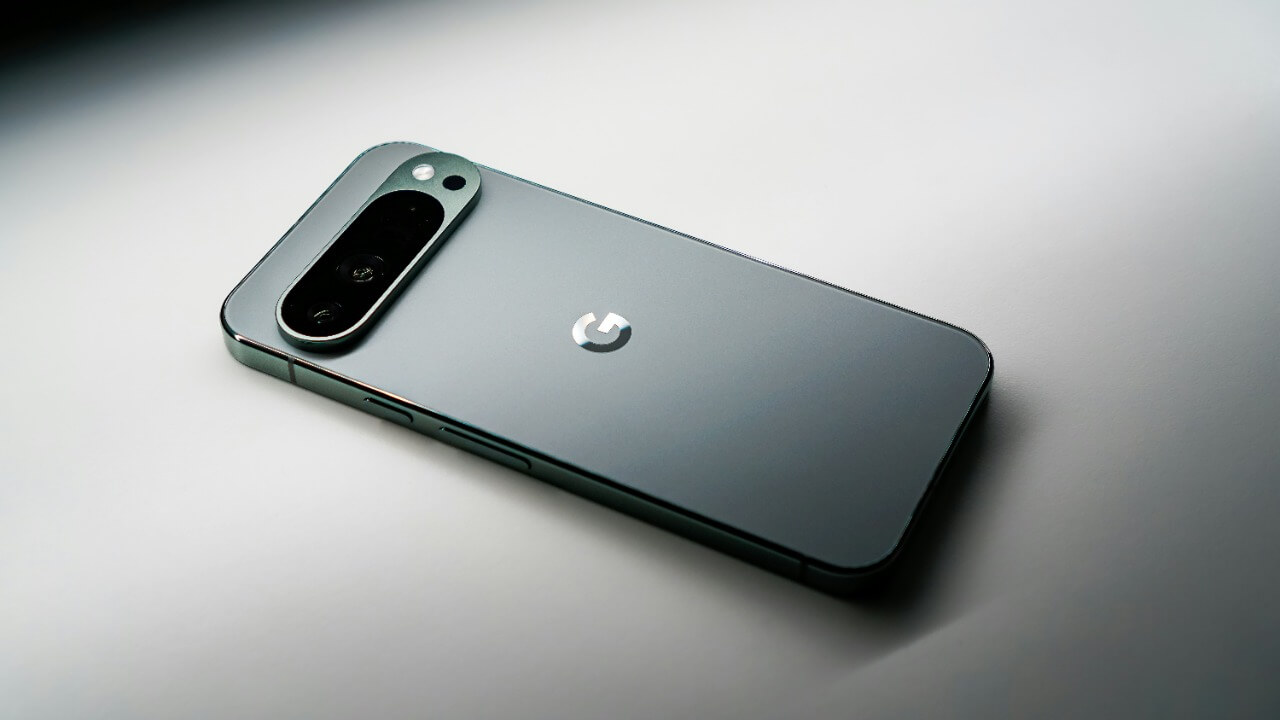

Google has officially added native AirDrop support to its Quick Share feature on Pixel 10 devices, enabling seamless file sharing with iPhones without Apple’s permission, as announced on November 20, 2025. The update bypasses Apple’s restrictions on cross-platform compatibility, marking a significant breakthrough in Android-iOS interoperability and signaling a more aggressive approach to closing long-standing ecosystem gaps.
Unlike previous attempts that relied on third-party apps or web-based workarounds, this integration works directly through Quick Share on Pixel phones starting with the Pixel 10 series, treating iPhones as first-class peers for local file transfers. For users who juggle both platforms, the change turns what used to be a tedious, multi-step process into a near-instant exchange that behaves much closer to Apple’s own device-to-device experience.
Google’s Announcement and Timeline
Google revealed the AirDrop integration for Quick Share on November 20, 2025, positioning Pixel 10 devices as the initial rollout platform and framing the move as a deliberate push into Apple’s tightly controlled sharing space. Reporting on the launch notes that Quick Share on Pixel 10 now exposes a native bridge to AirDrop, so iPhones can see compatible Pixel devices in the same interface that typically lists only Macs, iPads, and other iPhones. By tying the debut to its newest flagship line, Google is using the Pixel 10 as a showcase for how Android can participate in Apple’s most recognizable convenience feature without waiting for any formal partnership.
The company’s stance on cooperation is unusually blunt, with coverage of the rollout emphasizing that Google “didn’t ask Apple” for permission before enabling the feature and that the integration went ahead unilaterally through an update to Quick Share. As detailed in an analysis of how Quick Share now works with AirDrop and Google didn’t ask Apple, the decision to proceed independently underscores a broader strategic shift in which Google is no longer content to let Apple’s policies dictate the limits of cross-platform communication. For users and developers, that posture raises the stakes around interoperability, since it tests how far a rival platform can go in tapping into Apple’s protocols without formal approval.
Technical Implementation of Quick Share-AirDrop Bridge
Under the hood, Quick Share now supports native AirDrop protocols on Android, allowing Pixel 10 users to receive files from iPhones as if they were part of Apple’s own ecosystem. According to technical breakdowns of how Google cracked the feature, the Android-side implementation effectively speaks the same discovery and transfer language that AirDrop expects, so an iPhone can initiate a share to a nearby Pixel 10 without any extra apps or QR codes. That means a user can open the Photos app on an iPhone, tap the share icon, choose AirDrop, and see a Pixel 10 appear in the list of nearby devices, with the transfer handled by Quick Share on the Android side.
The bypass mechanism is described as cracking Apple’s AirDrop wall by reverse-engineering compatibility rather than altering any iOS-side restrictions or requiring changes to Apple’s software. A detailed report on how Google cracked Apple’s AirDrop and is adding it to Pixel phones explains that the integration respects the existing AirDrop interface on iPhones while quietly inserting Pixel 10 devices into the discovery process through compatible protocols. For now, the feature is limited to Pixel 10 and later models, with Google signaling that broader Android expansion will follow the November 20, 2025 announcement, a phased approach that lets the company refine performance and security on its own hardware before opening the door to partners.
Impact on Cross-Platform Users
For people who own both an iPhone and a Pixel 10, or live in households where iOS and Android devices mix, the new Quick Share-AirDrop bridge changes daily workflows in concrete ways. Instead of emailing photos from an iPhone to a Gmail address, uploading 4K videos to Google Drive, or relying on apps like WhatsApp and Telegram that compress media, users can now initiate an AirDrop from an iPhone and have it land directly in Quick Share on a Pixel 10. Reports on the rollout highlight that photos, videos, and documents move instantly between the platforms, cutting out cloud round-trips and preserving original quality in scenarios like sharing vacation albums, school projects, or large PDF contracts.
The update also addresses long-standing complaints about Apple’s restrictions on AirDrop, which have historically limited the feature to Apple hardware and forced mixed-device households to juggle multiple sharing methods. Coverage of how Google adds native AirDrop support to Android Quick Share, bypassing Apple’s restrictions notes that the new bridge directly benefits families where one person uses an iPhone 15 Pro while another prefers a Pixel 10 Pro, or workplaces where teams split between MacBook and Windows laptops paired with different phones. Early reports from November 21, 2025, describe seamless operation in real-world tests between iOS and Pixel devices, suggesting that the feature is stable enough for everyday use and not just a technical proof of concept.
Broader Industry Reactions and Future Outlook
Apple’s silence on the bypass has quickly become part of the story, as analysts watch for any sign that the company might adjust AirDrop behavior or pursue legal or technical countermeasures. The fact that Google moved ahead without Apple’s blessing, and that AirDrop now effectively treats certain Android phones as peers, has sparked debate about how far platform owners can go in protecting proprietary features when rivals find ways to interoperate. Commentators point out that if Apple responds by tightening AirDrop discovery or encryption in ways that break compatibility, it could be perceived as prioritizing lock-in over user convenience, especially in regions where regulators already scrutinize ecosystem barriers.
At the same time, the feature is being framed as a watershed moment that breaks down barriers set by AirDrop’s proprietary design and could influence how other Android manufacturers approach local sharing. A detailed feature on how Google breaks down Apple’s AirDrop wall with Pixel 10 notes that the company plans to extend support beyond Pixel 10, signaling a shift away from fragmented, vendor-specific sharing solutions toward a more unified experience. If Google follows through and opens the Quick Share-AirDrop bridge to partners like Samsung, OnePlus, or Nothing, the result could be a de facto standard where iPhones can AirDrop to a wide range of Android devices, reshaping expectations for how closed a mobile ecosystem can realistically remain.
What This Means for Google, Apple, and the Android Ecosystem
For Google, native AirDrop support inside Quick Share is more than a convenience feature, it is a strategic statement about Android’s role in a world where many households already blend platforms. By proving that a Pixel 10 can participate in AirDrop sessions without Apple’s cooperation, Google is signaling to users that choosing Android no longer has to mean giving up the frictionless sharing that has long been a selling point for iPhones and Macs. That message is particularly potent for people who might be considering a switch from an iPhone 14 to a Pixel 10 but worry about losing easy transfers to family members who stay on iOS.
For Apple, the development raises difficult questions about how tightly it can or should lock down features that have become part of everyday digital life. If AirDrop remains technically open enough for Google to maintain compatibility, the company risks ceding some of its ecosystem advantage as Android devices gain parity in one of iOS’s signature experiences. If Apple chooses to harden AirDrop in ways that cut off Pixel 10 and future Android devices, it may invite criticism from regulators and users who see the move as a deliberate attempt to preserve a walled garden at the expense of practical interoperability. In that sense, Google’s Quick Share update is not just a technical achievement but a test case for how far platform openness can be pushed from the outside.