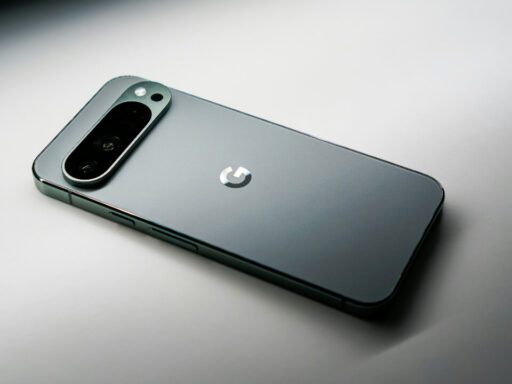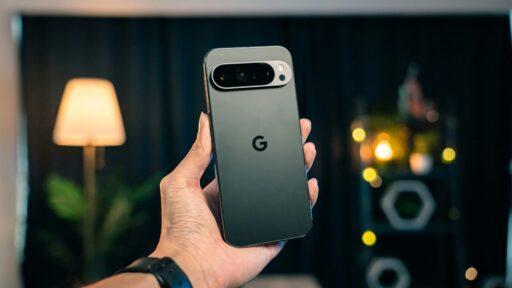
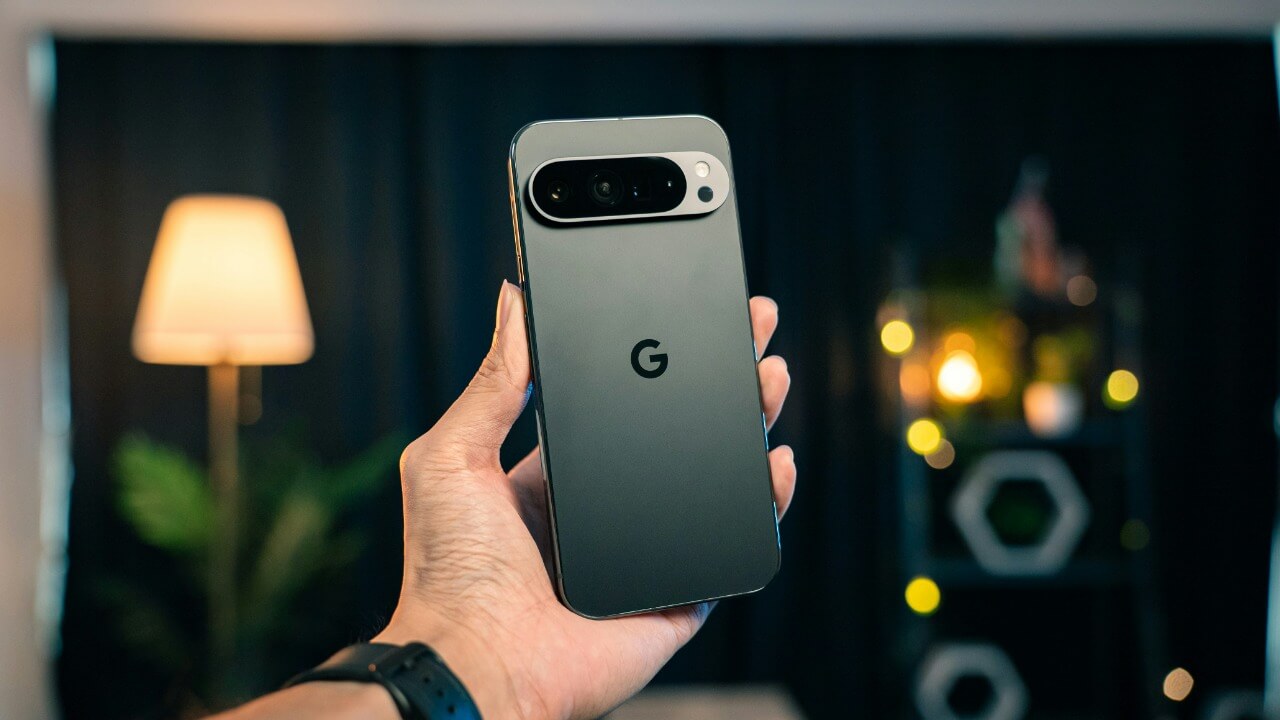

Google’s new Pixel 10 is being framed as a direct challenge to Apple’s proprietary AirDrop feature, with the company unveiling seamless cross-platform file sharing on November 20, 2025 in a move that targets one of the most visible walls in Apple’s ecosystem. The launch lands at a moment when Apple and Google are openly competing for user revenue, yet Google is positioning itself as the champion of user freedom and interoperability, while Apple leans on the strength of its tightly integrated services. The real test now is whether these technical breakthroughs are enough to persuade iOS loyalists to cross the platform divide or simply make life easier for people who already live in both worlds.
Google’s Pixel 10 Launches Cross-Platform Sharing
With the Pixel 10, Google is introducing a file sharing feature that mirrors the convenience of AirDrop but is explicitly designed for Android to iOS transfers, a capability that earlier Pixel models lacked according to reporting on Google breaking down Apple’s AirDrop wall with Pixel 10. The new system uses local wireless connections between nearby devices so that an Android user can tap a share button, see nearby iPhones, and send photos, videos, or documents without routing anything through email or third party messaging apps. That shift matters because it removes one of the most persistent frictions in mixed-device households, where iPhone owners have long enjoyed instant transfers while Android users were pushed to slower or more cumbersome workarounds.
Previous generations of Android hardware often relied on cloud-based tools such as Google Drive or third party apps to move large files, which introduced upload delays, data caps, and privacy questions that local transfers avoid. By enabling direct device to device sharing, the Pixel 10 reduces dependence on those cloud services and promises faster, more secure exchanges that stay on the local network rather than traveling through remote servers, a change that could appeal to privacy conscious users as well as people on limited data plans. The timing of the Pixel 10 announcement just ahead of the holiday shopping season also raises the stakes, because it gives Google a clear, easy to explain feature to market against iPhones at the very moment many consumers are weighing upgrades for themselves or their families.
Apple’s Ecosystem Faces New Pressure
Apple’s AirDrop has long been one of the signature benefits of staying inside the iOS and macOS ecosystem, a feature that was promoted as a privacy focused way to share files that also happened to exclude non Apple devices. The Pixel 10’s cross-platform sharing, detailed in the November 20 coverage of Google’s new feature, directly challenges that exclusivity by offering iPhone owners a similar experience when they interact with Android users, which undercuts the idea that seamless sharing requires everyone in a group to own Apple hardware. For Apple, that shift threatens to weaken one of the subtle but powerful incentives that kept families, classrooms, and workplaces aligned on iPhones and Macs, because it reduces the social pressure to “stay blue bubble” for the sake of convenience.
Apple’s broader revenue model is deeply tied to services that thrive inside its closed system, including subscriptions to iCloud storage, Apple Music, Apple TV Plus, and in-app purchases that flow through the App Store. Reporting on the rivalry between Apple and Google notes that Google is now publicly framing itself as the company that fights for user freedom, contrasting its push for interoperability with Apple’s preference for tight control over hardware and software, a stance highlighted in coverage titled Apple and Google both want your money, but only one is fighting for your freedom. That narrative puts pressure on Apple executives to defend the walled garden not only as a business strategy but as a user benefit, and any response they offer will need to explain why keeping AirDrop and similar features locked to Apple devices still serves customers in a world where cross-platform options are becoming more capable.
User Adoption Trends Post-Pixel 10
Early usage data since the Pixel 10 announcement, as described in the November 20 reporting on Google’s new sharing feature, focuses on how iPhone owners are experimenting with Android to iOS transfers rather than immediately abandoning their existing devices. Many users appear to be testing the feature in practical scenarios such as sending 4K video clips from a Pixel 10 to an iPhone 15 at social gatherings or moving large work files between personal and corporate phones, which provides a real world stress test of speed and reliability. Those initial trials are important because they shape word of mouth, and if iPhone owners find that receiving files from Android is suddenly as simple as AirDrop, the psychological barrier to considering an Android phone as a primary device could start to erode.
Surveys and forum discussions highlighted in the November 24 coverage of Apple and Google’s competing strategies show a more nuanced picture, with some users attracted to the idea of “freedom” from a single ecosystem while others remain deeply attached to Apple services. People who rely heavily on iMessage, FaceTime, and Apple Watch integration often say that even perfect cross-platform file sharing would not be enough to make them switch, because their daily routines are built around Apple-only features that the Pixel 10 cannot replicate. At the same time, users who already mix platforms, for example pairing a Windows laptop with an iPhone or using Google Photos on iOS, are more open to the idea that a Pixel 10 could fit into their lives without major disruption, suggesting that short term migration patterns may be strongest among those who already straddle both ecosystems.
Broader Competition Between Apple and Google
The clash over file sharing sits inside a larger contest in which both Apple and Google seek to monetize users through app stores, subscription services, and advertising, but they present very different philosophies about how those revenues should be earned. Coverage of their rivalry explains that Google is now explicitly casting its November 24 stance as a defense of user choice, arguing that features like the Pixel 10’s cross-platform sharing prove it is willing to weaken its own lock-in if it means giving people more flexibility. Apple, by contrast, continues to emphasize the security and reliability benefits of its integrated approach, pointing to the way its hardware, operating systems, and services are designed together, which it argues reduces fragmentation and support headaches for users and developers.
Regulators in the United States and Europe have already been scrutinizing Apple’s control over its App Store and default apps, and the Pixel 10’s cross-platform move could become another data point in antitrust debates about whether Apple unfairly restricts interoperability. By showing that seamless sharing between Android and iOS is technically feasible, Google’s November 20 announcement implicitly challenges any claim that Apple must keep AirDrop locked down for security reasons, and that contrast may influence how policymakers think about future rules on data portability and platform access. For consumers, the regulatory outcome will shape not only how easily they can move files between devices, but also how freely they can switch phones, transfer app purchases, and carry their digital lives from one ecosystem to another without losing key features.