
Apple announced its 2025 Black Friday Shopping Event on November 20, 2025, promising up to $250 Apple Gift Cards with eligible purchases of iPhone, Mac, iPad, and more, starting on Black Friday itself. The shift from straightforward price cuts to sizable store credits signals a strategic change in how Apple is courting holiday shoppers, even as early analysis suggests that third-party retailers may still deliver stronger headline discounts on products like MacBooks and AirPods.
With the promotion running through Cyber Monday, buyers now face a more complex decision: accept Apple’s gift card incentives that can be rolled into future purchases, or chase immediate savings from competing retailers. I will break down how the event works, which products qualify for the highest rewards, and when it might make sense to skip Apple’s offer in favor of a better cash discount elsewhere.
Apple’s Black Friday Announcement
Apple formally revealed its 2025 Black Friday Shopping Event on November 20, 2025, outlining a promotion that offers up to $250 in Apple Gift Cards with eligible purchases of iPhone, Mac, iPad, and other hardware. Reporting on the announcement, coverage of Apple’s 2025 Black Friday Event explains that the company is positioning the gift card as the central incentive, rather than cutting sticker prices on its latest devices. The event is framed as a limited-time opportunity tied directly to the holiday rush, with Apple clearly signaling that the most attractive rewards will be reserved for higher-end hardware tiers.
The structure of the promotion is tightly bound to the Black Friday weekend, with Apple confirming that the offer begins on Black Friday and extends through Cyber Monday as part of a multi-day “shopping event.” As detailed in an analysis of how the company’s holiday sale will unfold, reporting on Apple’s shopping event and its up to $250 gift cards notes that the timing is designed to keep Apple in the conversation from the first doorbusters through the final Cyber Monday flash sales. For shoppers, that means the window to claim these gift cards is relatively short, and the decision to buy directly from Apple rather than a retailer offering an outright discount will likely come down to how valuable a future Apple Store credit feels compared with cash saved today.
Eligible Products and Gift Card Tiers
The core of Apple’s 2025 Black Friday Shopping Event is a tiered system of Apple Gift Cards that scales with the type of device you buy, with iPhone, Mac, and iPad purchases all explicitly included. According to a detailed breakdown of the offer, reporting on Apple’s Black Friday deal of up to $250 gift card with purchase of Mac, iPhone, iPad and more states that qualifying items span multiple product lines, giving buyers a way to earn store credit whether they are upgrading a phone, replacing a laptop, or adding a tablet. The exact phrasing of the deal’s scope emphasizes that the promotion covers “Mac, iPhone, iPad and more,” which signals that Apple is not limiting the event to a single flagship category but is instead using the gift card as a cross-portfolio incentive.
Within that broad scope, the size of the gift card depends heavily on the product category, with premium Macs positioned to unlock the highest rewards, up to the headline figure of $250. Coverage of Apple’s sale plans notes that Apple reveals its Black Friday sale plans for 2025 by assigning larger gift card values to higher-priced Macs, while entry-level iPads and lower-cost devices qualify for more modest credits. That tiered approach matters for shoppers because it effectively nudges buyers toward more expensive configurations, where the percentage value of the gift card may still be smaller than a deep third-party discount but the absolute dollar amount feels substantial enough to influence a purchase decision.
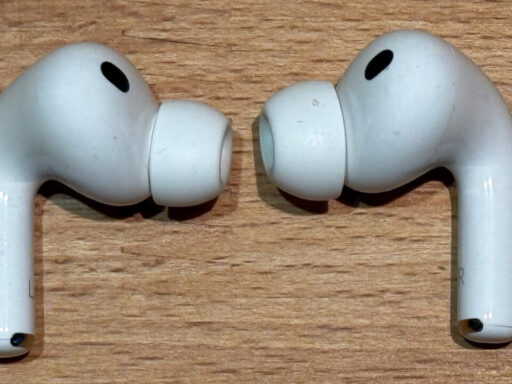
Beyond the headline devices, Apple is also using accessories and bundles to expand the number of ways customers can earn store credit during the event. Reporting on the official announcement notes that Apple’s 2025 Black Friday Shopping Event promising up to $250 Apple Gift Card with eligible purchases includes additional qualifying accessories, which can make a meaningful difference for buyers planning to pick up items like Apple Pencil, Magic Keyboard, or select audio products alongside a new device. For budget-conscious shoppers, stacking those accessory purchases within the same promotional window can maximize total gift card earnings, effectively turning routine add-ons into a way to subsidize a future Apple Watch, extra iCloud storage, or a subscription to services like Apple Music or Apple TV Plus.
Comparisons to Third-Party Deals
While Apple is leaning on gift cards, several retailers are already countering with straightforward price cuts that may deliver better value on specific products, particularly MacBooks. An early comparison of offers points out that analysis of Apple’s Black Friday sale alongside better MacBook, iPad, and AirPod deals elsewhere finds that some third-party MacBook discounts exceed the effective savings of Apple’s gift card, especially when older configurations are marked down aggressively. For a shopper who wants a lower upfront price on a MacBook Air or MacBook Pro and does not need to reinvest in Apple’s ecosystem later, those direct reductions can be more compelling than a credit that only pays off on a future purchase.
The same comparison highlights that iPad and AirPods deals at competing retailers can also outstrip Apple’s own promotion in pure dollar terms, particularly where early Black Friday sales started on November 20, 2025, ahead of Apple’s official event window. In that context, the analysis that explains why you might want to pass on Apple’s Black Friday deals underscores that budget-conscious buyers often prioritize immediate, visible savings on the receipt over the promise of a gift card that must be redeemed later. The stakes are especially high for families or students shopping on tight budgets, who may prefer a retailer that knocks $150 off a current-generation iPad or AirPods Pro rather than Apple’s smaller gift card on the same hardware.
Reasons to Skip or Strategize Apple’s Event
Critics of Apple’s 2025 Black Friday approach point to the limitations of gift cards as a key reason some shoppers might want to skip the event entirely. As the analysis that details why you might want to pass on Apple’s Black Friday deals notes, Apple Gift Cards can only be redeemed within Apple’s own ecosystem, which means the value is locked into future hardware, accessories, or services rather than reducing the cost of the current purchase. For buyers who do not anticipate another Apple purchase in the near term, or who prefer to spread their spending across platforms, that restriction can make the gift card feel less like a discount and more like a marketing tool that encourages repeat business.
Timing is another factor that may push some shoppers toward third-party alternatives, since Apple’s event runs from Black Friday through Cyber Monday while other retailers began rolling out aggressive deals as soon as November 20, 2025. Reporting that outlines how Apple’s shopping event promises gift cards up to $250 starting Black Friday makes clear that Apple is not chasing the earliest wave of pre-Black Friday discounts, which can leave deal hunters who want to buy before the weekend looking elsewhere. For stakeholders like parents trying to secure holiday gifts before items sell out, or professionals who need a work machine delivered quickly, the mismatch between Apple’s schedule and retailer pre-sales can be a decisive factor in skipping the official event.
How to Maximize Value with a Hybrid Strategy
For shoppers who are willing to plan, a hybrid strategy that combines Apple’s gift cards with external discounts can unlock more value than either path alone. Reporting that breaks down the structure of the promotion notes that Apple’s Black Friday deal of up to $250 gift card with purchase of Mac, iPhone, iPad and more can be particularly attractive if you already expect to buy additional Apple products or services in the coming months, since the gift card effectively pre-funds that future spending. One practical approach is to purchase a big-ticket item like a Mac or iPhone directly from Apple to secure the highest gift card tier, then use that credit later to offset the cost of accessories that rarely see deep discounts, such as Apple Pencil, Magic Keyboard, or AppleCare coverage.
At the same time, it can make sense to source other items from retailers that are offering stronger upfront discounts, especially on categories where Apple’s gift card value is relatively modest. The comparison that finds better MacBook, iPad, and AirPod deals elsewhere than Apple’s own sale suggests that buyers might, for example, buy a MacBook Pro from Apple to capture a $250 gift card, while picking up discounted AirPods or an entry-level iPad from a retailer that has slashed prices more aggressively. For stakeholders like students, freelancers, and families managing multiple device purchases, this mix-and-match approach can stretch a fixed budget further, turning Apple’s gift card from a potential drawback into one component of a broader savings strategy.