
A major Russian attack on western Ukraine on November 19, 2025, struck apartment buildings in the border region, with initial reports of nine people killed in early explosions and the death toll later rising to 26 as authorities uncovered more victims. The combined assault, which unfolded near Ukraine’s frontiers with NATO territory, triggered immediate military responses from neighboring Poland and Romania, whose air forces scrambled jets to track Russian drones and safeguard their own airspace. The incidents underline how the war’s front line has edged closer to allied borders, intensifying concerns over regional security and the risk of direct confrontation.
Russian Attack Unfolds in Western Ukraine
Russian forces launched what officials described as a major combined attack on western Ukraine, striking apartment buildings in the border region and turning residential streets into scenes of devastation. Initial reports from Ukrainian authorities indicated that explosions in this area killed nine people, with emergency crews pulling bodies from shattered homes and damaged civilian infrastructure as the scale of the strike became clear. The assault, which targeted western Ukraine rather than the more frequently shelled eastern and southern fronts, signaled a deliberate effort to hit communities close to NATO territory and to test the resilience of Ukraine’s air defenses far from the main battle lines.
As the day progressed, the picture of what had happened shifted from a localized incident to a broader, coordinated operation involving multiple types of munitions and trajectories. By 17:37 UTC, officials confirmed that the death toll from the attack on western Ukraine’s apartment buildings had risen to 26, a figure cited in detailed coverage of the major Russian attack on western Ukraine that hit apartment buildings, underscoring how initial casualty counts understated the true human cost. The escalation from early reports of explosions in a single border locality to confirmation of a combined strike across a wider area highlighted both the complexity of the operation and the difficulty for Ukrainian authorities in rapidly assessing damage while air alerts and follow-on threats were still unfolding.
Poland Activates Air Defenses
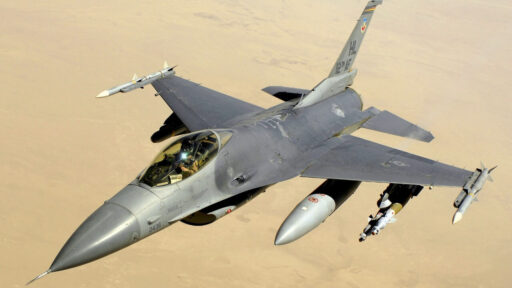
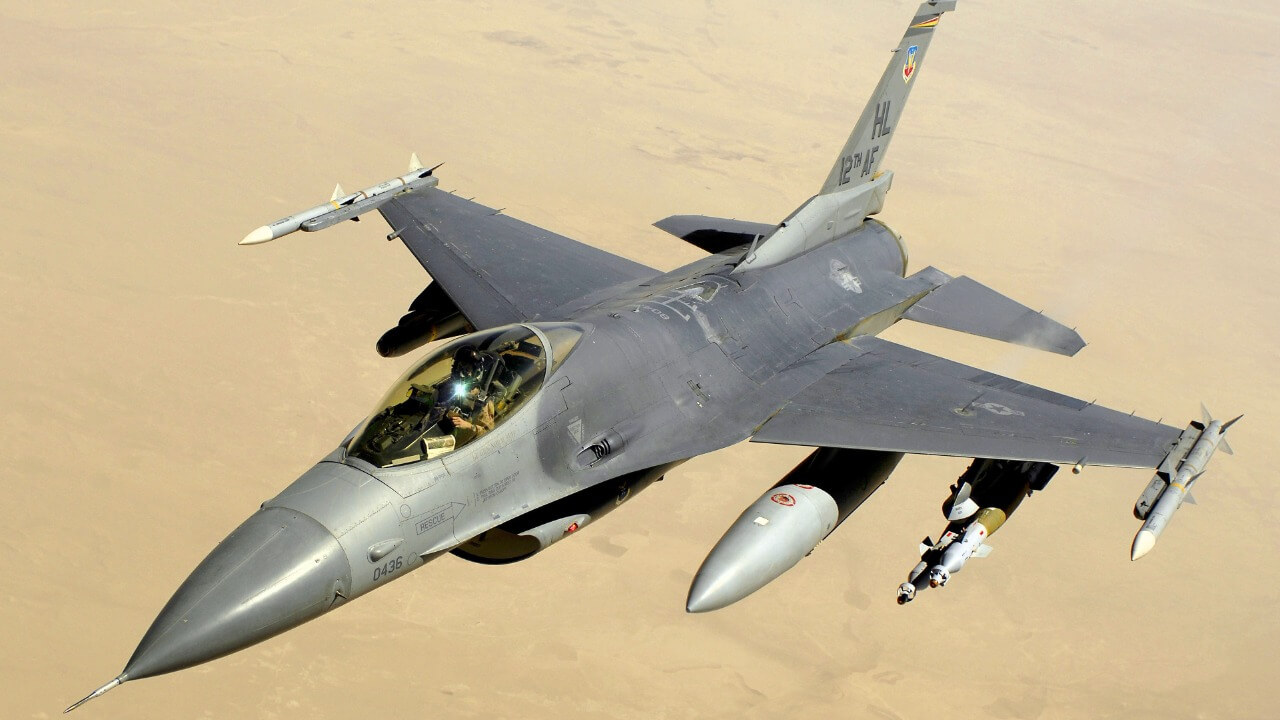
Poland responded to the Russian launches by scrambling fighter jets in its own airspace, a move that reflected how close the attack came to its border and how seriously Warsaw now treats any activity near its frontier with Ukraine. According to reporting on the combined assault, Polish commanders ordered jets into the air as radar and intelligence feeds indicated Russian missiles and drones were transiting air corridors near Polish territory, prompting a shift from routine surveillance to active interception readiness. The decision to activate these assets was not merely symbolic, it was a concrete demonstration that Poland’s air defense network is prepared to react in real time when Russian operations approach NATO airspace.
Officials in Warsaw have previously treated cross-border risks as manageable through monitoring and coordination, but the latest attack has pushed them toward a more assertive posture. Coverage of the incident noted that Polish jets were scrambled in direct response to Russian drone activity near the border, a pattern that aligns with earlier episodes in which debris from Russian strikes landed on or near Polish soil, raising fears of accidental escalation. For Polish stakeholders, from military planners to residents in eastern regions, the activation of air defenses signaled that the situation has moved beyond distant concern and into a phase where local communities must live with the possibility of sudden airspace closures, diverted civilian flights, and the constant sound of combat aircraft overhead.
Romania Responds to Border Threats
Romania also scrambled fighter jets as Russian drones approached its borders, acting in parallel with Poland while air alerts sounded across Ukraine. Reporting on the regional response described how Romanian air force units launched aircraft when radar tracks showed Russian drones operating close to Romanian territory, a step that mirrored the heightened vigilance seen in Warsaw and underscored the shared sense of vulnerability among NATO states that border Ukraine. The Romanian decision to put jets in the air was directly linked to the same wave of attacks that struck western Ukraine’s apartment buildings, tying the fate of Ukrainian civilians to the security calculations of neighboring allies.
Details from regional outlets highlighted that the Romanian scramble occurred as part of a broader pattern of air alerts across Ukraine, with one account noting that air alerts across Ukraine prompted fighter jet scrambles in Romania and Poland at approximately 08:44 UTC. For Bucharest, the explosions in Ukraine’s border region were not a distant tragedy but an immediate trigger for defensive action, forcing Romanian commanders to weigh the risk of drones straying into their airspace or crashing on their territory. The shift from largely observational roles in earlier phases of the war to active fighter patrols along the frontier marks a significant evolution in Romania’s posture, signaling to both domestic audiences and Moscow that any encroachment near its borders will be met with a visible and rapid military response.
Casualties and Immediate Aftermath
Early in the day, Ukrainian officials reported that nine people had been killed when explosions hit the border region, a figure that appeared in live coverage of the conflict as the first indication of the human toll from the western strikes. That initial number, cited in updates on the nine killed as explosions hit the border region in Ukraine, forcing Poland and Romania to respond, reflected only what rescuers could confirm amid ongoing air alerts and the threat of additional incoming fire. In the hours that followed, emergency services continued to search through the rubble of apartment buildings and damaged infrastructure, working under the constant risk of renewed attacks while families waited for news of missing relatives.
By late afternoon, the confirmed death toll had climbed to 26, according to the reporting on the major Russian attack that devastated apartment buildings in western Ukraine, illustrating how the full scale of the tragedy only emerged as rescue operations progressed. The destruction of residential blocks and critical services in the border region has deepened the sense of vulnerability among Ukrainian civilians who had previously viewed western areas as comparatively safer than cities like Kharkiv or Kherson. For local authorities and humanitarian organizations, the severity of the incident has intensified calls for additional international support, including more advanced air defense systems and reconstruction aid, as they confront not only the immediate task of caring for the wounded and displaced but also the longer term challenge of rebuilding communities that now sit on the front line of a conflict spilling toward NATO’s doorstep.