
The return of 5G Broadcast trials to the Winter Olympics is turning Milano Cortina 2026 into a live laboratory for the future of sports viewing. Instead of relying only on crowded mobile networks or traditional TV, organisers and broadcasters are testing a system that can beam live Olympic coverage straight to compatible phones, cars and connected screens at scale. For viewers, it points to a near future in which the richest Olympic experience may come over the air, not through a cable or a congested data plan.
At the heart of these experiments is a simple idea with big implications: use broadcast towers and 5G standards to deliver the same live signal to countless devices at once, with no extra load on mobile networks. The trials at the Winter Olympics build on earlier demonstrations and are framed as a critical step toward making that model commercially viable for everyday broadcasting, emergency alerts and mass‑audience events.
Why the Winter Olympics is the perfect 5G Broadcast test bed
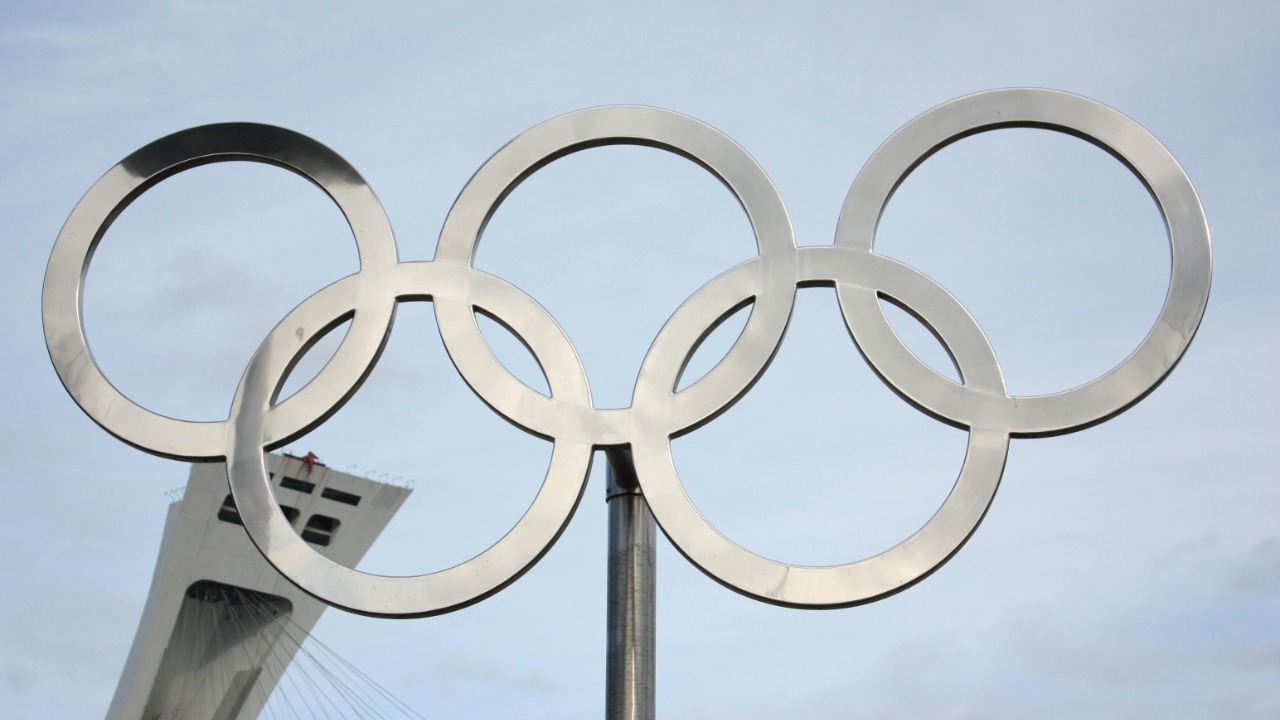
Major events like the Winter Olympics compress huge audiences, dense infrastructure and unpredictable demand into a few intense weeks, which makes them an ideal stress test for any new distribution technology. During The Milano Cortina 2026 Olympic Winter Games, which are underway and scheduled to run until February 22, organisers are using the host region’s tower network to push live video and data directly to spectators’ devices, bypassing the usual bottlenecks of mobile broadband. The trials are designed to show that a single over‑the‑air signal can reach large crowds on any compatible mobile phone without collapsing under peak traffic, a capability highlighted in detailed reporting on The Milano Cortina.
From a strategic standpoint, I see this as more than a one‑off showcase. Organisers describe the Games as a place where Technology is not the goal, it is the enabler, with Every innovation tied to improving the Olympic experience for athletes, broadcasters and audiences. Among the standout features planned for Milano Cortina 2026 is a commitment to deliver the most advanced Winter Games broadcast to date, a vision that explicitly includes new distribution formats and richer second‑screen services, as set out in official Olympic planning documents.
Inside the Rai and EBU experiment at Milano Cortina
The most ambitious of the current trials is being run by Italian public broadcaster Rai and the European Broadcasting Union, a partnership that has been preparing for this moment since early 2025. Italian engineers have been upgrading tower sites and integrating 5G Broadcast capabilities so that Rai and EBU can light up dedicated signals across the Milano Cortina region during the Games, an effort described in detail in coverage of Rai and EBU. The goal is to prove that a national broadcaster can use existing high‑power towers to reach smartphones and vehicles with the same reliability it has long delivered to living‑room TVs.
Italian public service broadcaster Rai and the European Broadcasting Union, often shortened to Rai and the European Broadcasting Union, EBU, have been explicit about what they want to learn. Specifically, they are testing 5G Broadcast’s potential to deliver large‑scale live content without burdening mobile networks, even when cells are congested, and to feed both TV and digital platforms from the same over‑the‑air infrastructure, as outlined in technical notes on Italian trials. I see that as a direct response to the recurring problem of fans losing access to live streams in packed venues, something a one‑to‑many broadcast signal is uniquely positioned to fix.
What 5G Broadcast actually delivers to fans on the ground
For spectators in and around the venues, the technology promises a different kind of connectivity. Instead of fighting for bandwidth on a saturated 5G or 4G cell, a compatible phone can tune into a dedicated broadcast layer that carries live Olympic feeds, replays and data without counting against a data plan. Reporting on the current Winter Olympics trials notes that 5G Broadcast signals are being configured so they can be received on any compatible mobile phone, a capability that has been emphasised in multiple briefings on Broadcast. In practice, that could mean a fan at the ski jump watching a multi‑angle replay of a run seconds after it happens, without the buffering that often plagues app‑based streams.
The Milano Cortina trials are also being framed as a way to harden communications in case of emergencies, since a robust broadcast layer can keep pushing alerts and instructions even if regular networks fail. Technical teams at EBU Technology and Innovation describe how, during this winter’s Olympic Games, 5G Broadcast is being used to test both enhanced coverage for live content and additional resilience in case of emergencies, using the existing tower grid around Milano Cortina, as set out in engineering notes from Technology. From my perspective, that dual use, entertainment and public safety, is one reason regulators and broadcasters are watching these trials so closely.
How broadcasters are folding 5G into hybrid distribution strategies
Behind the scenes, the trials are less about replacing existing platforms and more about building a hybrid model that blends broadcast and broadband. The latest pre‑commercial tests focus on leveraging tower infrastructure to expand live, free‑to‑air delivery across smartphones while still feeding traditional TV and streaming outlets, a direction detailed in analysis of the pre‑commercial work. I read that as a recognition that no single network type can handle the full spectrum of Olympic demand, from 8K living‑room feeds to quick highlights on a commuter’s phone.
Executives involved in the project have been candid about the stakes. Major events like the Olympics are described as the ultimate stress‑test for new distribution technologies, a phrase attributed to Gino Alberico, director of the involved research centre, in coverage of the Major trials. That framing matters, because it signals that what works in Milano Cortina could soon be folded into routine broadcast strategies across Europe, from national elections to major football tournaments.
Device makers and the race to capture the Olympic second screen
While broadcasters focus on networks and towers, device makers are racing to turn those capabilities into compelling experiences. Samsung Connects Athletes and Fans to Milano Cortina 2026 Moments With Mobile Innovation, positioning its latest phones as the natural companion for Olympic viewing. The company talks about Delivering dynamic perspectives with on‑device tools and camera systems that can capture and share Milano Cortina moments in real time, as described in its own Samsung Connects Athletes campaign. I see a clear alignment between that pitch and the promise of 5G Broadcast, which could feed those devices with richer live content without draining batteries or data.
The official Milano Cortina roadmap makes it clear that mobile is central to how organisers expect people to experience the Games. Among the standout features planned are interactive services and personalised viewing options that rely on a mix of broadcast and broadband, all in service of delivering the most advanced Winter Games broadcast to date, as set out in the same Every planning document. In that context, handset makers that support 5G Broadcast reception could gain a real‑world showcase that is hard to replicate anywhere else.