
Gamers worldwide are anticipating a blockbuster year in 2026, with GTA 6 leading the charge as Rockstar’s open-world epic promises unprecedented scale in Vice City. Tomb Raider returns with Lara Croft tackling ancient mysteries in a rebooted narrative, while the James Bond game introduces IO Interactive’s take on 007’s high-stakes espionage. These headline releases, alongside broader lists of 50 standout games, signal a shift from 2025’s delays toward confirmed launches that could redefine how big-budget and indie projects share the spotlight.
Early 2026 Blockbusters Reshape Expectations
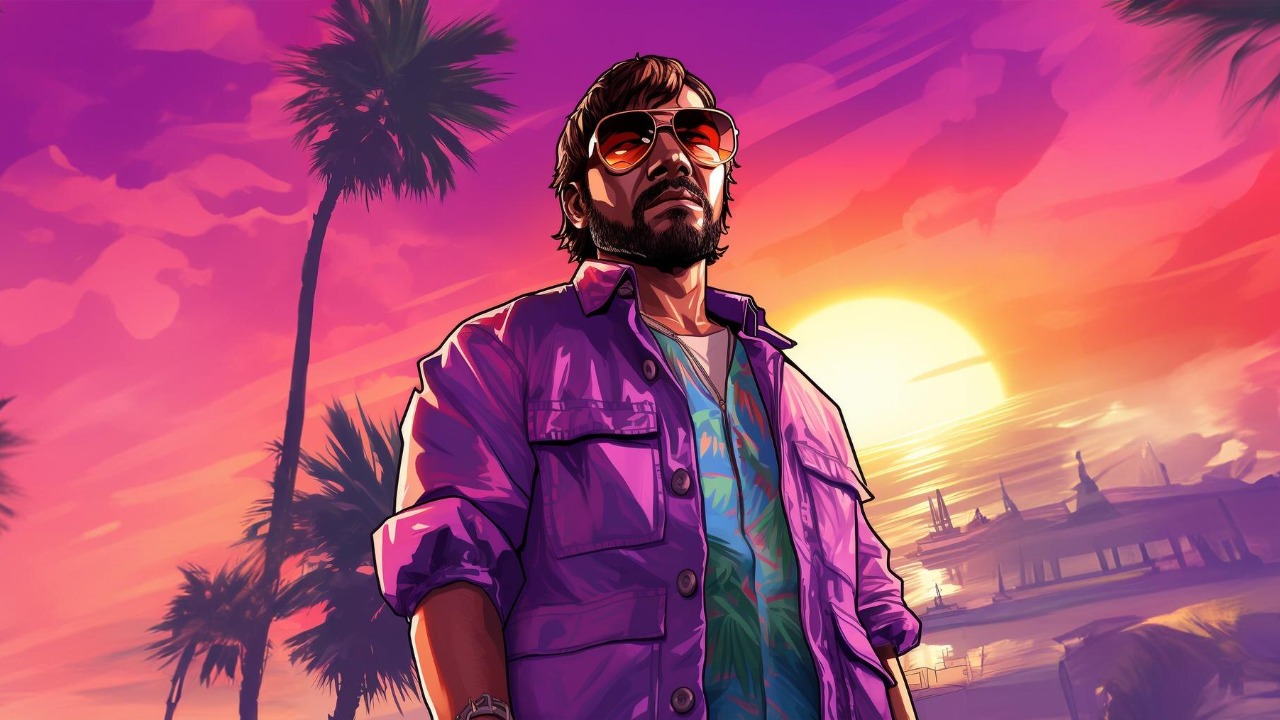
The opening months of 2026 are set to be dominated by GTA 6, which has shifted from earlier target windows into a Q1 rollout that now anchors the start of the year. Coverage of new games for 2026 highlights Rockstar’s focus on Vice City, dual protagonists and dynamic weather systems that respond to player behavior, positioning the game as a technical and narrative showcase that builds on the studio’s previous open-world experiments. By moving into a firmer early 2026 slot after prior delays, GTA 6 becomes a bellwether for how publishers handle long-gestating projects that must now justify extended development cycles with visible leaps in scale and systemic depth.
Hardware announcements around CES 2026 are reinforcing that shift in expectations, with product previews pointing to enhanced controllers and accessories designed to deepen immersion in upcoming titles. Reporting on the best of CES notes that several input devices, including advanced gamepads and haptic add-ons, are being tuned for compatibility with 2026 releases rather than the 2025 prototypes that slipped or underperformed, a sign that manufacturers are aligning their roadmaps with confirmed software launches rather than speculative windows. For players and platform holders, that tighter coordination between blockbuster software like GTA 6 and new hardware highlighted at CES 2026 suggests a more predictable upgrade cycle, where accessories are marketed around specific games instead of abstract performance promises.
Publishers are already seeing the commercial impact of this more concrete slate, with early reveals in GamesBeat’s most anticipated list helping to drive a reported 30 percent increase in pre-order figures compared with last year’s more tentative schedules. That jump reflects both pent-up demand after 2025’s wave of delays and a growing confidence that 2026 dates will hold, which in turn affects how retailers allocate shelf space and how marketing budgets are phased across the year. I see that momentum as a feedback loop, where stronger early commitments from developers encourage players to commit money sooner, giving studios clearer signals about which genres and franchises are likely to define the first quarter.
Mid-Year Expansions in Adventure and Action
By mid-2026, attention shifts toward adventure and action projects that broaden familiar series and elevate smaller teams alongside established brands. A summer release window for Tomb Raider is a focal point in coverage of 14 unmissable games, with reports emphasizing that Lara Croft will explore global locales such as Siberian ruins while embracing co-op elements that mark a clear departure from the traditionally solo-focused structure of earlier entries. That design pivot, which pairs puzzle-solving and traversal with shared objectives, raises the stakes for long-time fans who expect tight single-player storytelling, while also opening the door for new players who increasingly treat big-budget adventures as social experiences.
Mid-year is also where indie projects are being deliberately woven into major anticipation lists rather than siloed into separate roundups, a trend that underscores how smaller studios are sharing calendar space with AAA releases. The same reporting that spotlights Tomb Raider and the James Bond game also folds in independent titles that have used 2025 beta periods to gather feedback on netcode, matchmaking and progression systems, with mid-2026 patches already planned to address those specific pain points for smoother multiplayer. For developers, that approach turns early access and public testing into a structured pipeline rather than a one-off marketing beat, while players benefit from clearer communication about how their feedback will translate into concrete updates during the year.
IO Interactive’s take on James Bond, set for a July launch, illustrates how a studio can pivot from one stealth-action template to another while responding to long-standing fan demands. Coverage of the upcoming 007 project notes that the team is building on its experience with disguises and sandbox levels, but is placing a heavier emphasis on gadgetry evolutions that many players felt were underused in later Hitman expansions. By committing to a July window and foregrounding tools like experimental weapons, surveillance devices and traversal gear, IO is signaling that it understands the difference between a contract killer fantasy and a high-stakes espionage fantasy, a distinction that will matter for both Bond fans and those who primarily know the studio through its previous series.
Late 2026 Innovations and Wrap-Up Shifts
The final stretch of 2026 is already crowded with projects that lean into new hardware and evolving business models, particularly in the VR and live-service spaces. A survey of anticipated releases from Cinelinx highlights several fall titles that integrate VR-enhanced modes, many of which build directly on CES 2026 demos that showcased improved tracking, lighter headsets and more reliable wireless performance. Those games are also positioned as a response to the hardware shortages that constrained VR adoption in 2025, with manufacturers and publishers coordinating production and release dates to avoid the mismatched supply that left some earlier titles without enough headsets in the market.
Longer-term reflections on the previous year, such as Trent’s 2025 wrap, frame 2026 as a corrective period in which resolved delays finally allow ambitious multiplayer economies to reach players in a more stable form. That perspective aligns with broader overviews like 50 most anticipated list, which emphasizes how late-year releases are experimenting with cross-game currencies, seasonal content and shared hubs that connect different modes and platforms. For stakeholders, those systems are not just design curiosities, they are central to revenue planning and community management, since a misstep in balancing or monetization can quickly erode goodwill built up during long marketing campaigns.
December is emerging as a particularly strategic month, with coverage of upcoming lineups noting that several launches will introduce cross-platform features that go beyond simple cross-play. A feature on games to watch points to titles that are experimenting with unified progression across console, PC and mobile, as well as competitive modes that treat platform choice as a preference rather than a barrier. I see those December releases as a test case for whether cross-platform ecosystems can finally move from a niche selling point to a baseline expectation, a shift that would reshape how competitive communities form and how publishers structure their long-term support across hardware generations.